How Global Events Can Influence Everyday Prices
When global events disrupt supply chains or increase energy costs, the effects are often felt across a wide range of industries. Rising oil prices, transport costs and manufacturing expenses can gradually feed into the price of everyday goods.
Large retail operations rely on extensive supply networks, long-distance logistics and significant overheads. As these costs increase, supermarkets and large retailers frequently have little choice but to adjust their pricing.
For consumers, even small changes in everyday shopping costs can lead to shifts in buying habits. Over time, this often encourages people to explore alternative ways of purchasing goods, particularly within their local communities.
Why Local Markets Can Become More Attractive to Shoppers
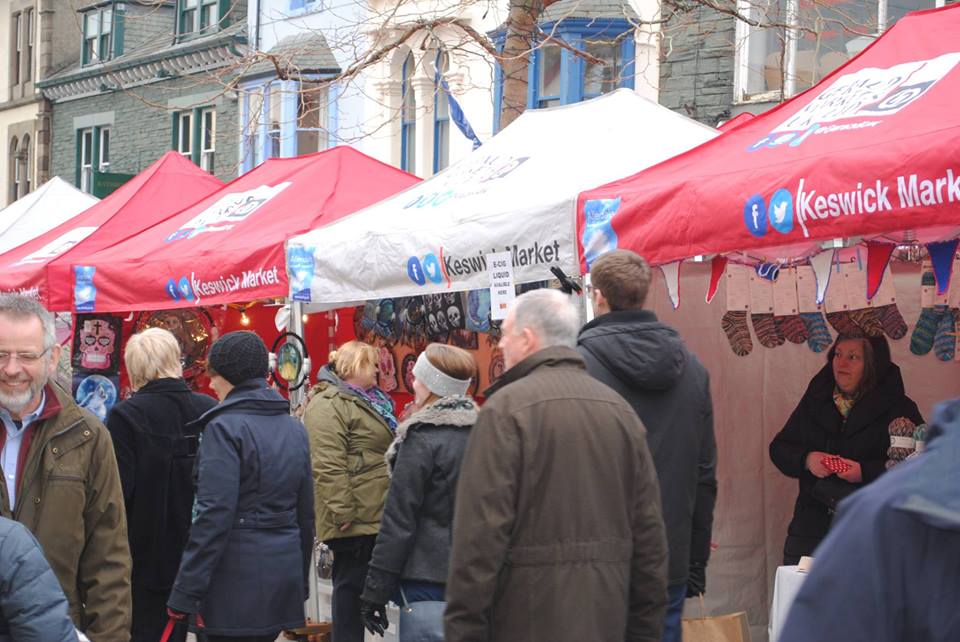
Local markets have long been part of the UK’s retail landscape, offering everything from fresh produce and baked goods to handmade crafts and household items. During periods of economic pressure, these markets can become even more appealing to shoppers.
Independent traders often operate with smaller supply chains and lower overheads compared to major retailers. This can sometimes allow them to offer competitive pricing, particularly for locally sourced products.
Markets also provide a direct connection between the seller and the customer. Without multiple layers of distribution involved, shoppers can often find fresh goods and unique items while supporting small businesses in their area.


The Rise of Independent Traders During Economic Pressure
Economic uncertainty has historically encouraged more people to explore independent trading opportunities. Weekend markets, pop-up stalls and community events provide relatively accessible entry points for individuals looking to sell products locally.
Some traders start with handmade goods, baked products or second-hand items, while others build small businesses around locally sourced food, street food or specialist retail items.
For many, a market stall offers a flexible way to test a business idea before committing to larger premises or long-term retail commitments.
What Traders Need to Start a Market Stall
Starting a market stall is often simpler than opening a traditional shop, but there are still a few essentials required for operating successfully.
Most traders rely on a small number of core items:
-
A reliable market stall shelter
-
Tables or display units for products
-
Secure storage for stock and equipment
-
Weather protection to keep goods safe and presentable
Outdoor markets in the UK operate throughout the year, which means traders must be prepared for changing weather conditions.
A stable and well-built shelter is often one of the most important investments when setting up a stall.

Why Market Shelters Play an Important Role
A professional market shelter helps traders create a practical and organised space for selling their products. Protection from rain, wind and strong sunlight helps maintain the quality of goods while creating a more comfortable environment for both traders and customers.
Pop-up market shelters are particularly popular because they can be assembled quickly, transported easily and adapted to different market locations.
For traders who attend regular markets or events, having a dependable shelter can make a significant difference to the overall setup and presentation of their stall.

Local Markets and Community Trading
Beyond simple buying and selling, markets often play an important role in local communities.
They provide opportunities for small businesses to connect with customers, encourage local enterprise and create lively spaces where people can meet and shop.
As economic conditions evolve, markets frequently adapt alongside them.
In many cases, they continue to provide accessible retail opportunities for traders while offering shoppers an alternative to traditional high street retail.
Conclusion
Periods of economic change often influence how people shop, trade and run small businesses. While large retail environments respond to rising operational costs, local markets can provide a different kind of opportunity for both shoppers and independent traders.
Over time, shifts in consumer behaviour may lead to renewed interest in community markets and small-scale trading. As these trends develop, market stalls continue to provide a practical and flexible way for traders to bring their products directly to local customers.