Market Stall Gazebo Buying Guide for Professional Traders
Markets run on consistency. Regular traders build income through repetition, reliability and presentation. The structure you trade under directly affects all three.
A market stall gazebo defines your retail space, protects stock, supports branding and shapes how customers perceive your business. For traders operating weekly or seasonally throughout the year, structural quality influences performance as much as product choice.
This guide focuses on established traders refining their setup and planning long-term trading schedules. For aspiring traders just starting out, you should read our guide to starting a market stall business.
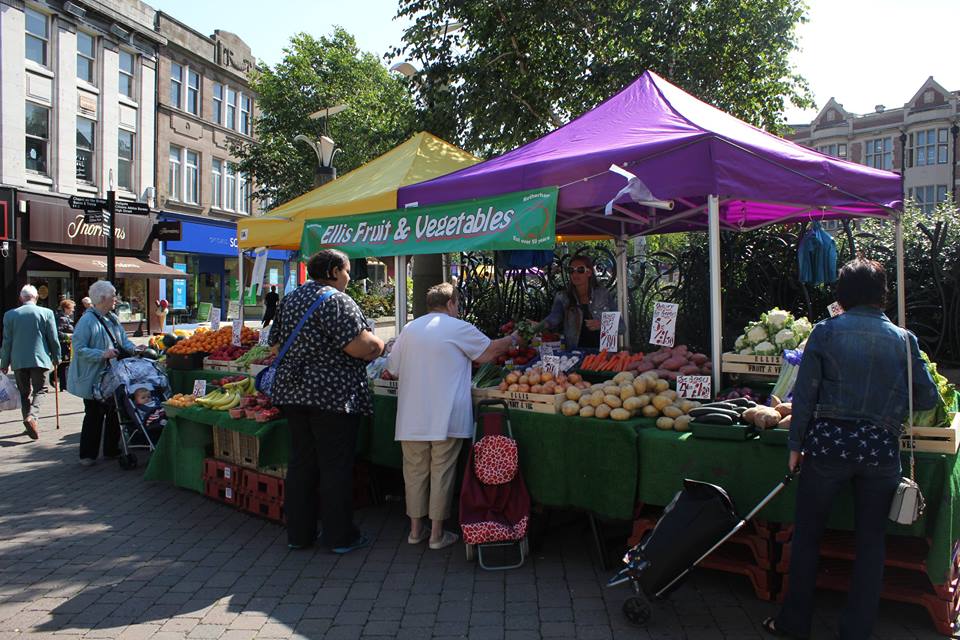
Why Commercial Structures Matter for Active Traders
Occasional sellers can get away with lighter frames. Weekly traders cannot.
Repeated assembly, exposure to wind tunnels between buildings, and unpredictable British weather expose weaknesses quickly. Loose joints, flexing legs and unstable frames do more than inconvenience you. They damage confidence and perception.
Professional traders typically look for:
- Commercial-grade aluminium frames
- Reinforced joint systems
- Replaceable covers and panels
- Stable leg profiles with secure weight systems
- Tight-fitting sidewalls that hold shape
Durability is about reliability. When your structure performs consistently, your focus remains on customers and sales rather than adjustments.
For full technical comparisons and specifications, see our Market Stall Gazebos range.

Layout and Customer Flow
A stall layout influences dwell time and transaction value.
Clear front-facing displays increase approach rates. Height variation improves visibility across crowded aisles. Defined entry space encourages browsing rather than quick scanning.
Behind the counter, adequate movement space allows for efficient stock handling and payment processing. Structured sidewall placement can also create controlled browsing environments during busier sessions.
Treat the pitch as a compact retail unit. Planning layout before arrival reduces on-site adjustments and improves trading efficiency.
Managing Weather Exposure
Outdoor retail involves consistent exposure to wind, rain and seasonal temperature variation.
Wind pressure varies significantly between open fields and urban high streets. Weight systems, correct canopy tension and secure wall fixings contribute to stability.
Rain protection relies on tight canopy pitch and effective drainage. Cover material quality influences long-term performance.
In warmer months, sidewall configuration and canopy colour selection can affect interior temperature and comfort for both trader and customer.
Reliable structural performance allows focus to remain on sales rather than ongoing adjustments.
Building Recognisable Presence
Regular markets reward familiarity. Clear branding supports repeat trade and helps customers locate your pitch quickly.
Printed canopies and valances provide:
- Brand consistency
- Professional presentation
- Visibility across large sites
- Additional marketing exposure through event photography
Consistent visual identity contributes to long-term business growth within recurring markets.
Explore our printed gazebo options if you are planning to strengthen brand visibility.
Scaling and Equipment Progression
Many traders progress through identifiable stages of trading frequency and market type. As schedules expand and site exposure increases, structural demands increase accordingly.
Upgrading to heavier commercial frames often aligns with:
- Increased trading days
- Larger site allocations
- Higher-value stock
- Expansion into premium markets
Selecting a structure aligned with long-term trading plans reduces replacement cycles and maintains professional presentation.
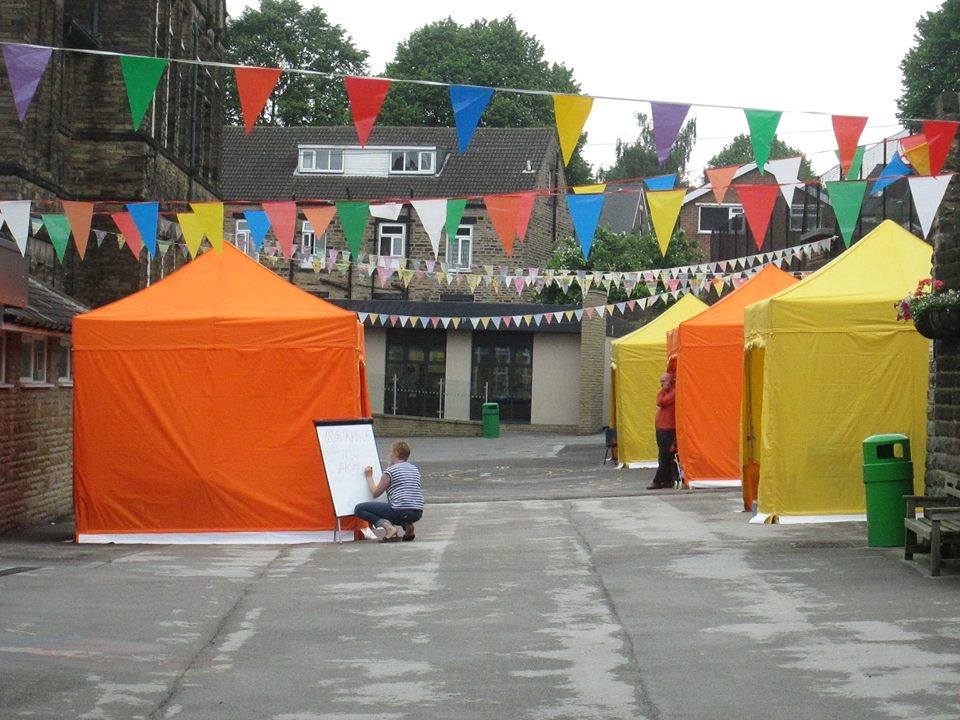
Why Traders Continue Working With Gala Tent
Weekly trading exposes weaknesses quickly. Frames are assembled and dismantled repeatedly. Sites vary. Weather changes without warning. Equipment is handled under pressure.
Traders who return season after season usually prioritise three things:
- Structural reliability across repeated use
- Availability of replacement parts and covers
- Practical advice from experienced teams
A gazebo used commercially should withstand routine assembly, transport and exposure without compromising shape or stability. When components are replaceable and compatible long-term, traders avoid unnecessary full-frame replacements.
Ongoing support also matters. Access to guidance on model compatibility, wall configurations and weight systems helps traders refine their setup over time rather than starting again.
Consistency builds trust. Traders who rely on their structure each week tend to stay with suppliers who provide durable equipment and long-term support.
Frequently Asked Questions
Which gazebo size suits a standard market pitch?
How durable should a gazebo be for weekly markets?
Are Gala Tent gazebos easy to transport?
Do all market traders require sidewalls on their gazebo stall?
Can covers be replaced?