Party Tent

Street Food & Drink Stall Setup Ideas

A street food or drink stall lives or dies on three things: a setup that copes with British weather, a layout that keeps queues moving, and kit that meets the hygiene and safety standards markets expect. This guide covers the setups that work for the most common stall types, then the practical and legal basics every trader needs to get right.

Pizza stall setup ideas

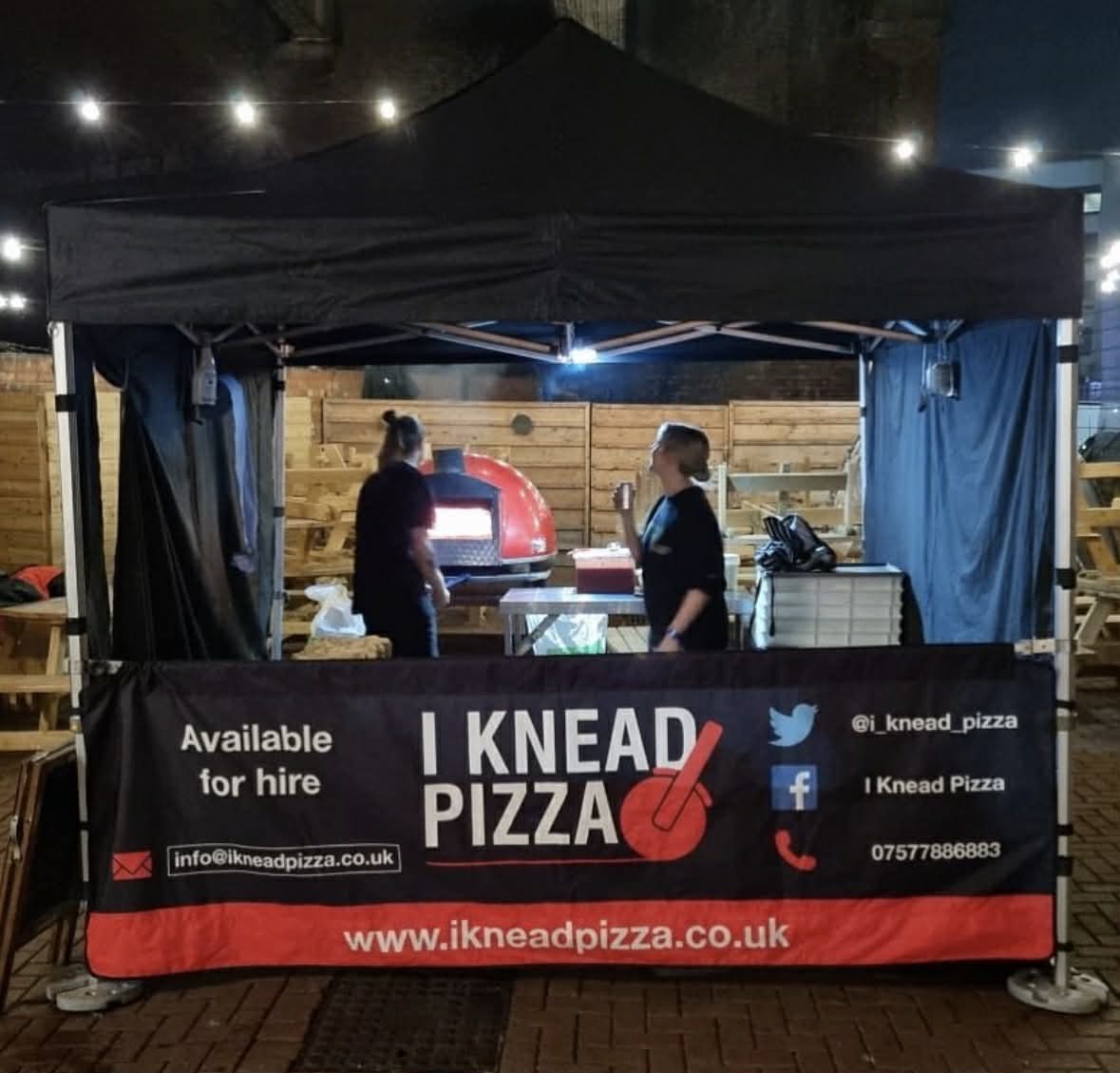
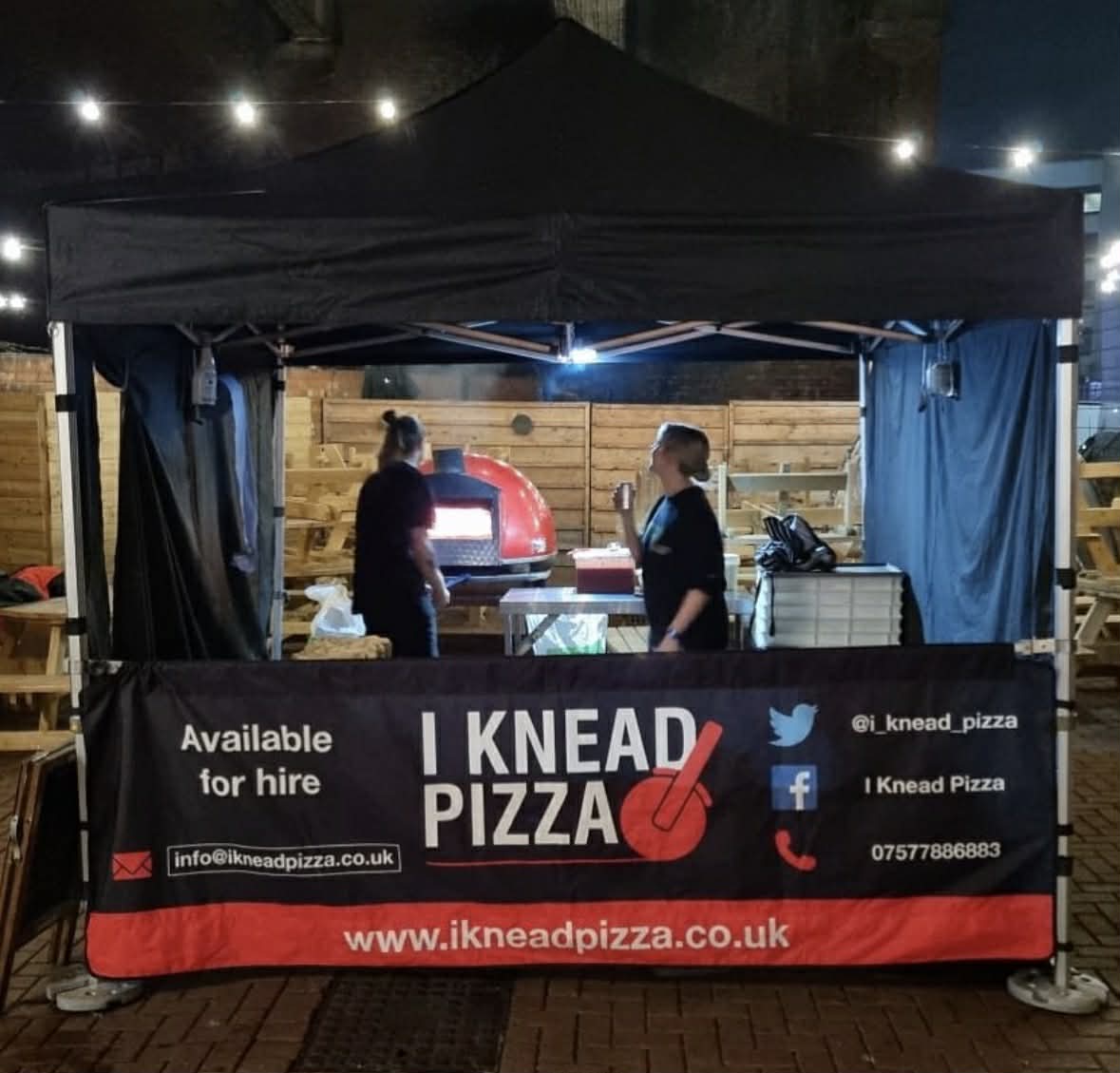
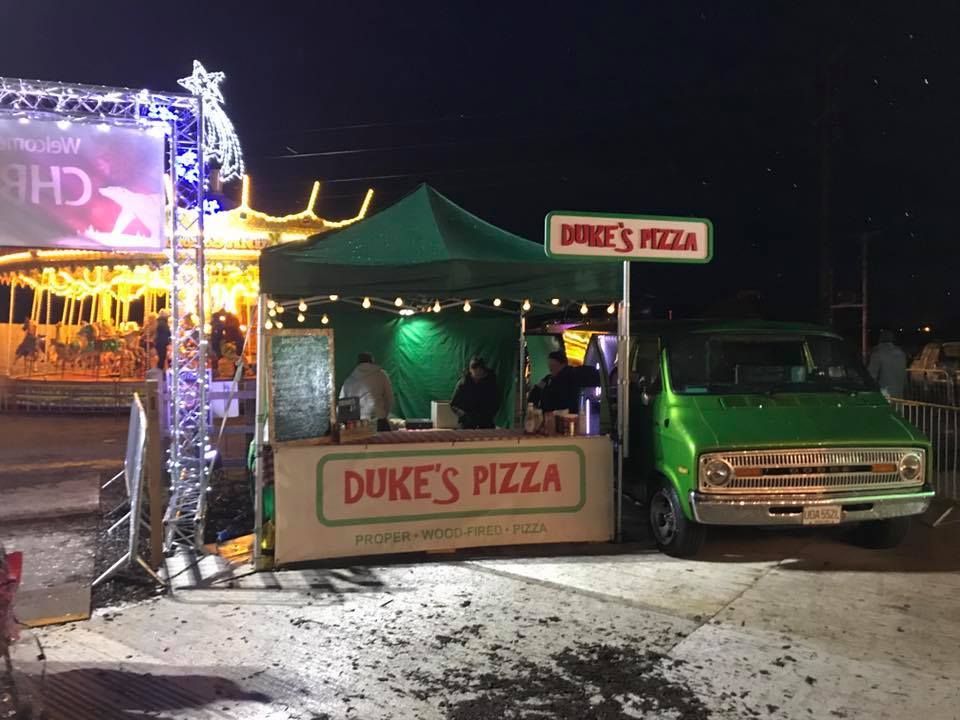
Wood-fired pizza is one of the busiest stall types at UK markets, and the setup has to manage a hot oven, fast turnaround and a queue down the side. Layout and ventilation matter as much as the oven itself.

Equipment checklist:

  • Portable pizza oven or converted trailer unit
  • Stainless steel prep table
  • Chiller units or cool boxes
  • Handwash station with clean and waste water
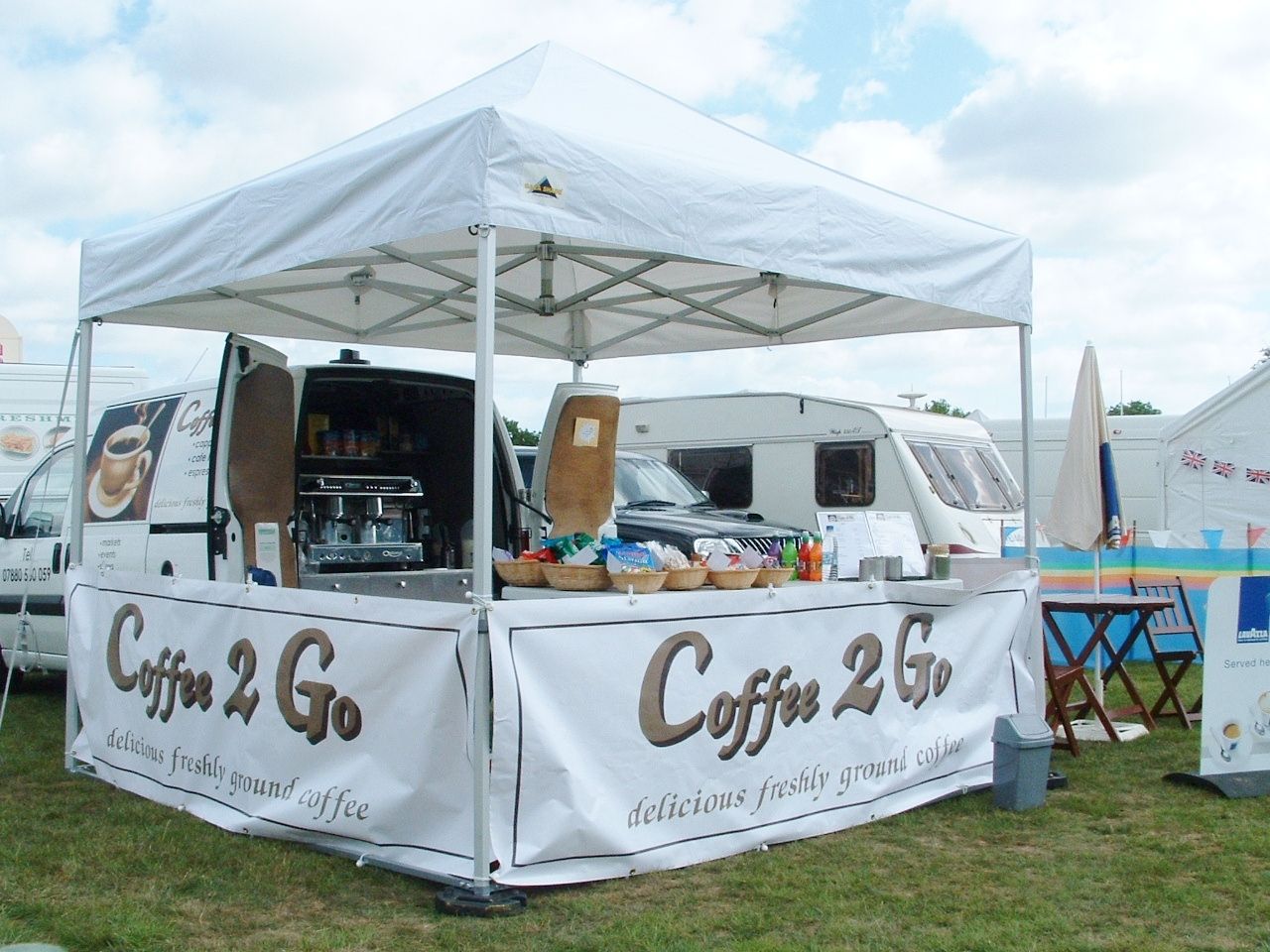
  • Branded gazebo or marquee for shelter and signage
  • A fire extinguisher and fire blanket rated for your heat source
  • Setup tip: a 3m x 3m gazebo with sidewalls contains heat, blocks wind and protects ingredients, but leave clear ventilation around the oven and never fully enclose a gas or wood-fired unit. A removable door panel or half wall solves this. PVC-coated polyester wipes clean easily, which helps you keep on top of hygiene through a long day.

    Cake stall setup ideas

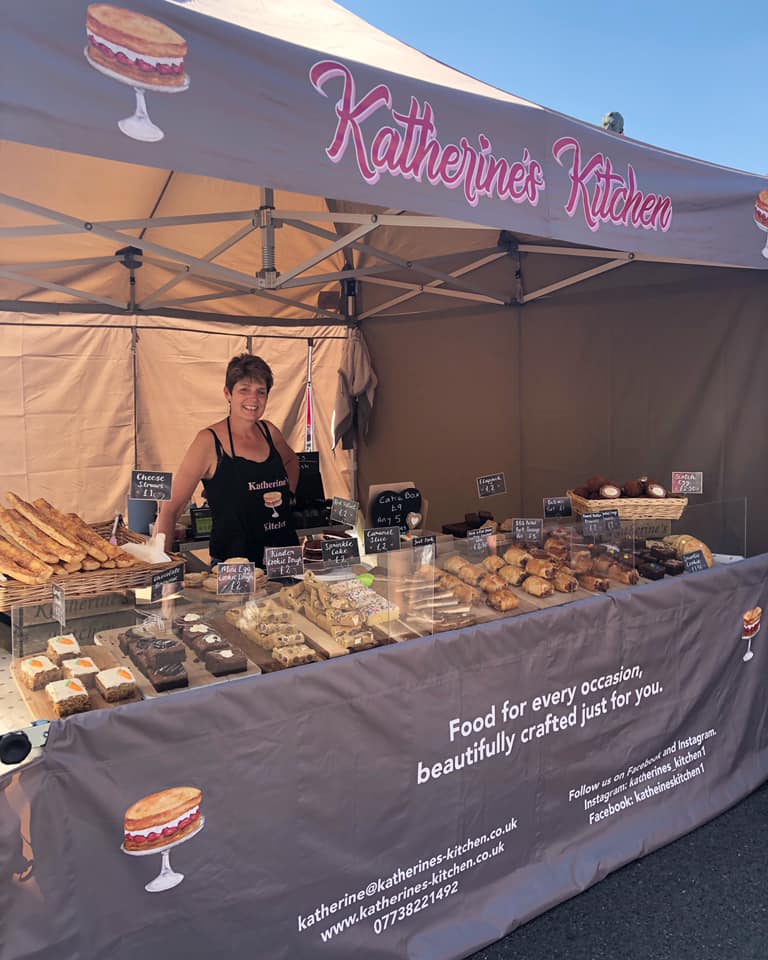
    Cake stalls trade on presentation, so the priority is protecting the product and lighting it well. A poorly lit table in the rain loses sales fast.

    Equipment checklist:

  • Two or more trestle tables
  • Tiered or domed display stands
  • Cool boxes or airtight containers
  • Wipes, hand sanitiser, gloves and a cake slicer
  • Branded table covers
  • Setup tip: a gazebo with clear window sidewalls lets customers see the bakes while keeping them protected from weather and dust. Lightweight PVC-coated polyester is easy to transport and clean, and pairing it with printed branding gives a cohesive, professional look.

    Gin and vodka tasting stall setup ideas

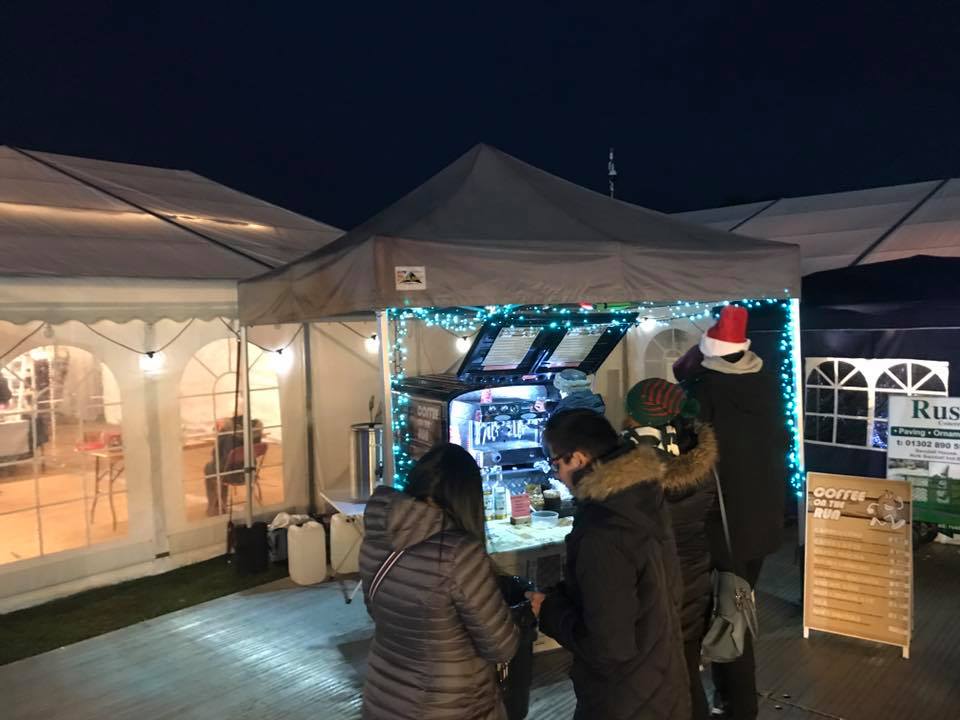
    Artisan spirit bars have become a fixture at food festivals and Christmas markets. Even where you are not serving on site, the stall should sell the brand experience. Note that serving alcohol needs the right licensing, so check the requirements with the event organiser and your local authority before you book.

    Equipment checklist:

  • Bottle display units or crates
  • Sampling cups and pourers
  • Ice bucket or cooler
  • POS and marketing materials
  • Lighting
  • Setup tip: lighting does the heavy lifting here. A premium printed gazebo with LED strips or a backlit counter lifts the whole stall, and festoon lighting adds warmth on a dark winter market. For repeat trading, a commercial gazebo built for frequent use will outlast a domestic one several times over.

    Setup essentials every food and drink stall needs

    Whatever you are serving, the traders who do well get the same basics right.

    Shelter and weather

    A pop-up gazebo with full sidewalls is essential for hygiene, comfort and protecting your stock. For anyone trading most weekends, a heavy-duty gazebo is worth the extra outlay, because a cheap frame that fails on its first windy day is the expensive option.

    Anchoring

    Anchoring is not optional for food and drink stalls. If you are heating, cutting or pouring inside, the structure has to be secured to hard or soft ground every time. Weights are the minimum on a hard surface, and storm straps add security on exposed pitches. See the full range of gazebo weights and anchors to match your setup.

    Power and electrics

    Add up the draw of everything you run at once, then choose a generator with headroom on top. Espresso machines, fridges and hot plates pull far more than people expect. Use RCD protection, keep connections dry and off the ground, and have portable appliances PAT tested. A quiet inverter generator is kinder to your neighbours and your customers.

    Food hygiene and registration

    If you are selling food, you will usually need to register your food business with your local council, and the government asks you to do this at least 28 days before you start trading. Registration is free. The rules on hygiene, labelling and your food hygiene rating are set out on GOV.UK, and it is worth reading them before your first event rather than after.

    Gas and fire safety

    If you use gas appliances, they should be installed and checked by a Gas Safe registered engineer, and many markets ask to see a current gas safety certificate before they let you trade. Carry the right fire extinguisher and a fire blanket for your heat source, keep them within reach, and never fully enclose a gas or solid-fuel cooker inside a gazebo. Check the organiser's requirements, as these vary by event.

    Queue flow and presentation

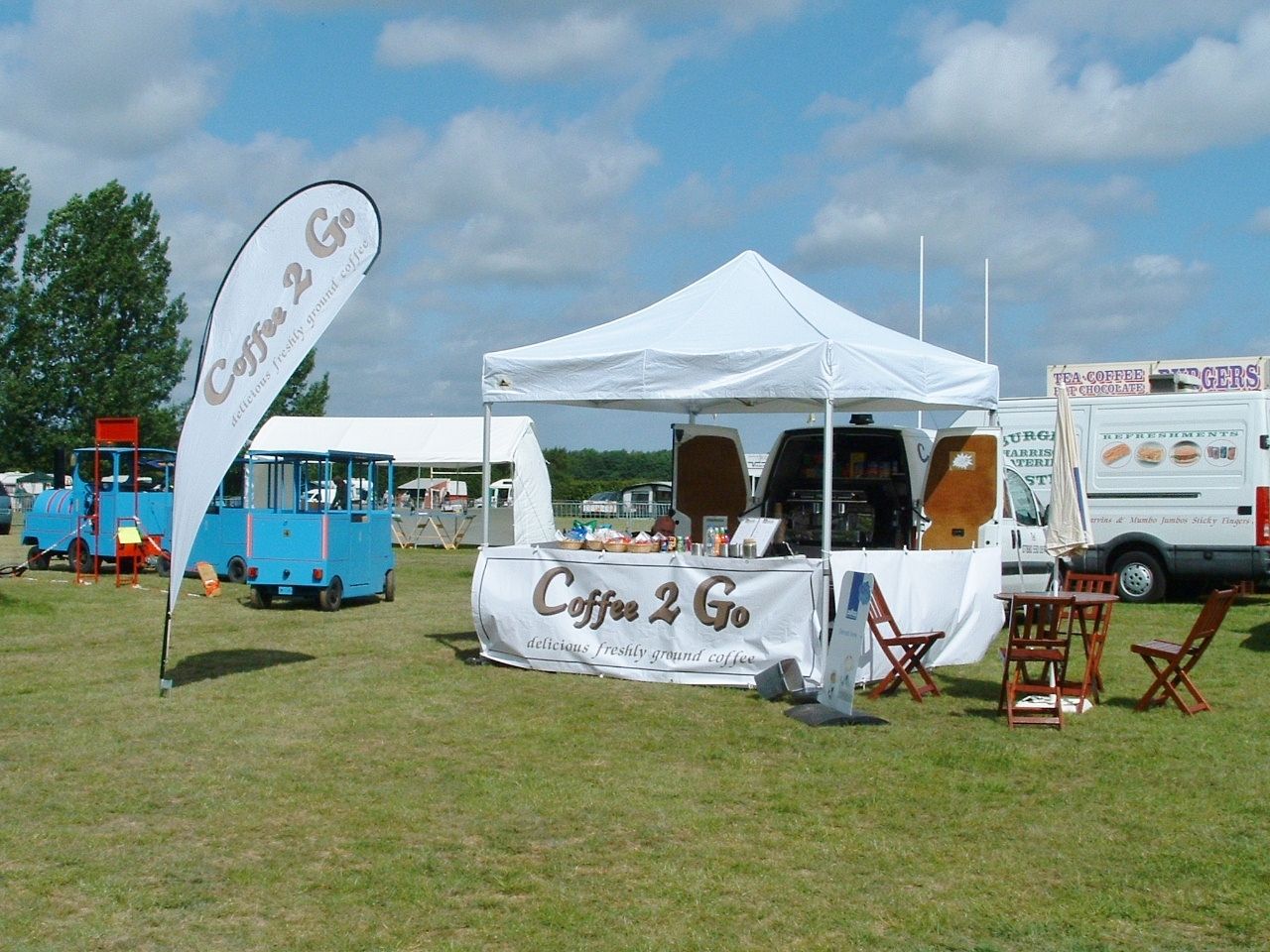
    For high-volume stalls like coffee and pizza, separate your order and collection points so the queue keeps moving. Café barriers channel queues, mark out your space and carry branding at the same time. Keep the serving face open and clean, and put menus and offers where the queue can read them.
    Final word

    A well-planned stall is the difference between a queue of paying customers and a slow day's takings. The kit you choose should match how hard it will work, from a Saturday at a food fair to a four-day festival in a field.

    If you want a hand choosing the right size, layout or branding for your stall, our team has helped thousands of UK traders get event-ready. Our guide to starting a street food business is the next read if you are still in the planning stage.

    Frequently Asked Questions

    What size gazebo do I need for a food stall?
    A 3m x 3m gazebo suits a solo operator selling a single product, such as coffee or cakes. If you are cooking and serving, running two pieces of equipment, or need prep space, step up to a 3m x 4.5m or 3m x 6m. Leave room behind the counter for staff to move and for clearance around any hot equipment.
    Do I need to register to sell food at a market?
    In most cases yes. You will usually need to register your food business with your local council, and the government asks you to do this at least 28 days before you start trading. Registration is free. Full guidance is on GOV.UK.
    Can you cook inside a gazebo?
    You can use a gazebo over a cooking setup, but never fully enclose a gas or solid-fuel cooker. Keep clear ventilation around the heat source, secure the structure properly, and carry a suitable fire extinguisher and fire blanket. Check the event organiser's safety requirements, as they vary.
    Do I need insurance to trade at a market?
    Most markets and event organisers require public liability insurance before they will give you a pitch, and many ask for proof in advance. Check the specific requirements when you book.
    How do you stop a gazebo blowing away while trading?
    Anchor it every time, with no exceptions for food and drink stalls. Use weights on hard surfaces and stakes on soft ground, and add storm straps on exposed pitches. A gazebo holding hot equipment or open drinks must be secure even on a calm day.
    Do I need a gas safety certificate for a food stall?
    If you use gas appliances, they should be checked by a Gas Safe registered engineer, and many markets ask to see a current gas safety certificate before you trade. Confirm what your event requires when you book.


    Good Afternoon, how can I assist you today?

    Assistance
    ExpandAssistance   Alexandria