How to Stop Gazebo Sides Flapping in the Wind
Proper anchoring and tensioning helps keep gazebo sidewalls tight and secure
One of the most common frustrations for gazebo owners is sidewalls flapping loudly in windy conditions. Even a heavy-duty gazebo can experience movement if the walls are not tensioned or secured correctly.
The good news is that sidewall movement can usually be reduced significantly with the right setup and accessories.
This guide explains:
- why gazebo sides flap in the wind
- how to keep gazebo sidewalls tight
- the best ways to secure gazebo walls on grass or hard ground
- which accessories are most effective for reducing movement
The Most Effective Ways to Stop Gazebo Walls Flapping
Use Gazebo Ground Bars
Ground bars are the most effective solution for reducing sidewall movement
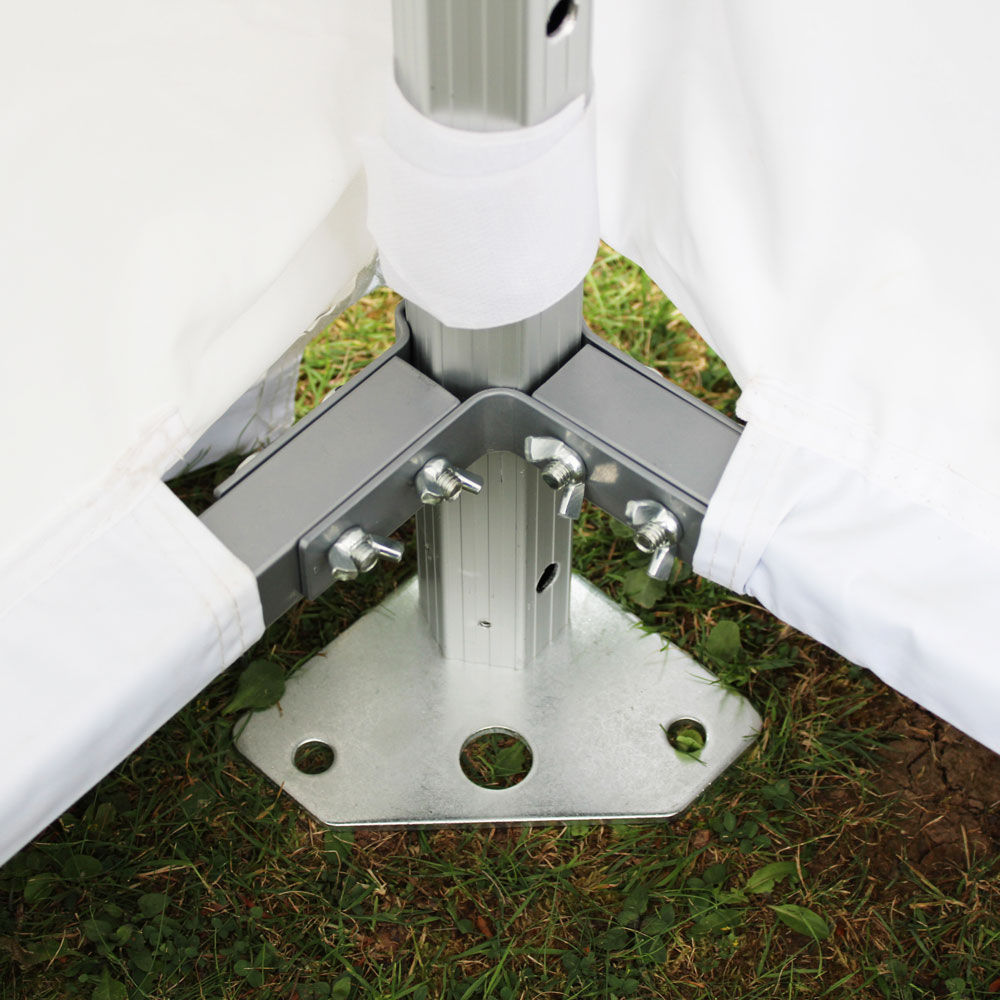
Ground bars help keep gazebo sidewalls taut by securing the lower section of the wall against the frame.
Each bar:
- connects one gazebo leg to the next
- reinforces the lower structure
- helps maintain square frame alignment
- reduces movement throughout the gazebo
Gala Shade sidewalls include integrated ground bar pockets, allowing the bars to pass through the wall itself for additional tension and stability.
Benefits of gazebo ground bars include:
- reduced wall flapping
- improved structural rigidity
- cleaner presentation
- additional wind resistance
- reduced strain on the frame
Ground bars are particularly useful for:
- market traders
- motorsport paddocks
- exposed outdoor events
- long-duration setups
Use Sidewall Pegs on Grass
Sidewall pegs help tension the lower section of gazebo walls
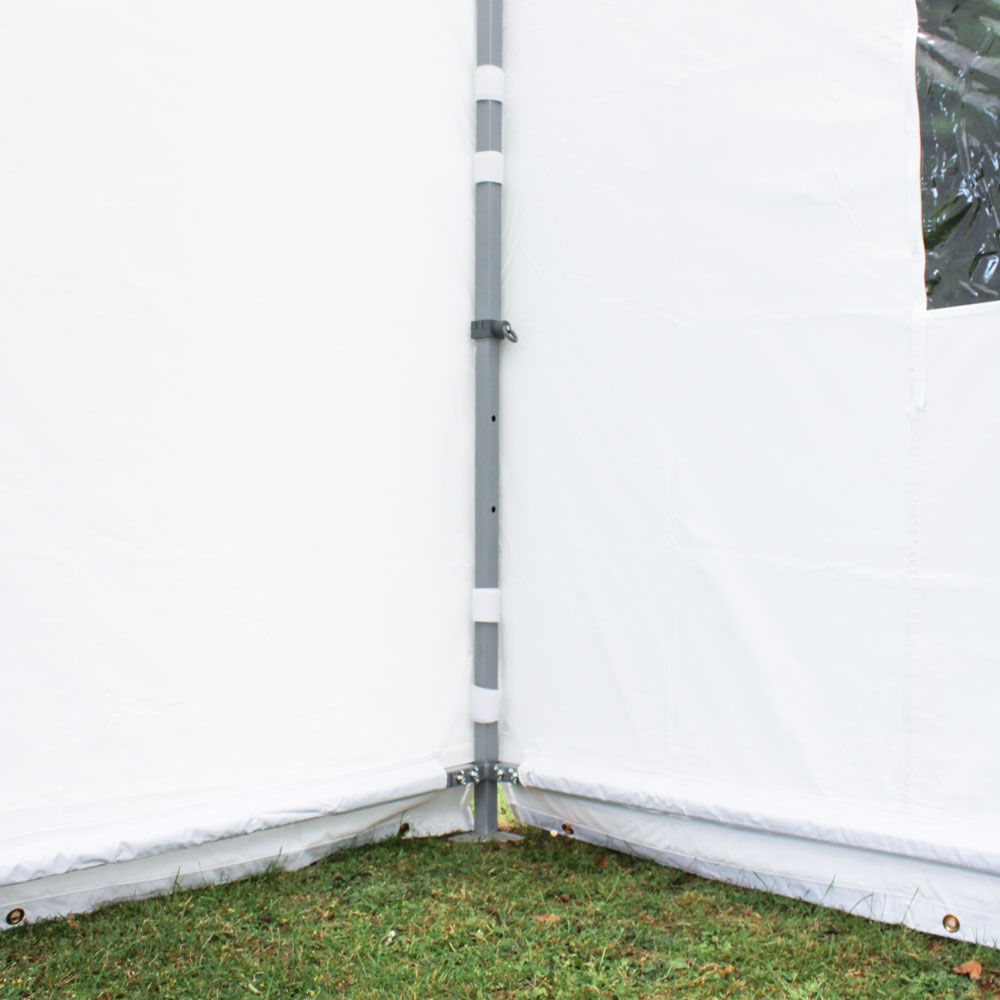
Gala Shade gazebo sidewalls include a PVC skirt with built-in eyelets along the bottom edge.
These eyelets allow you to:
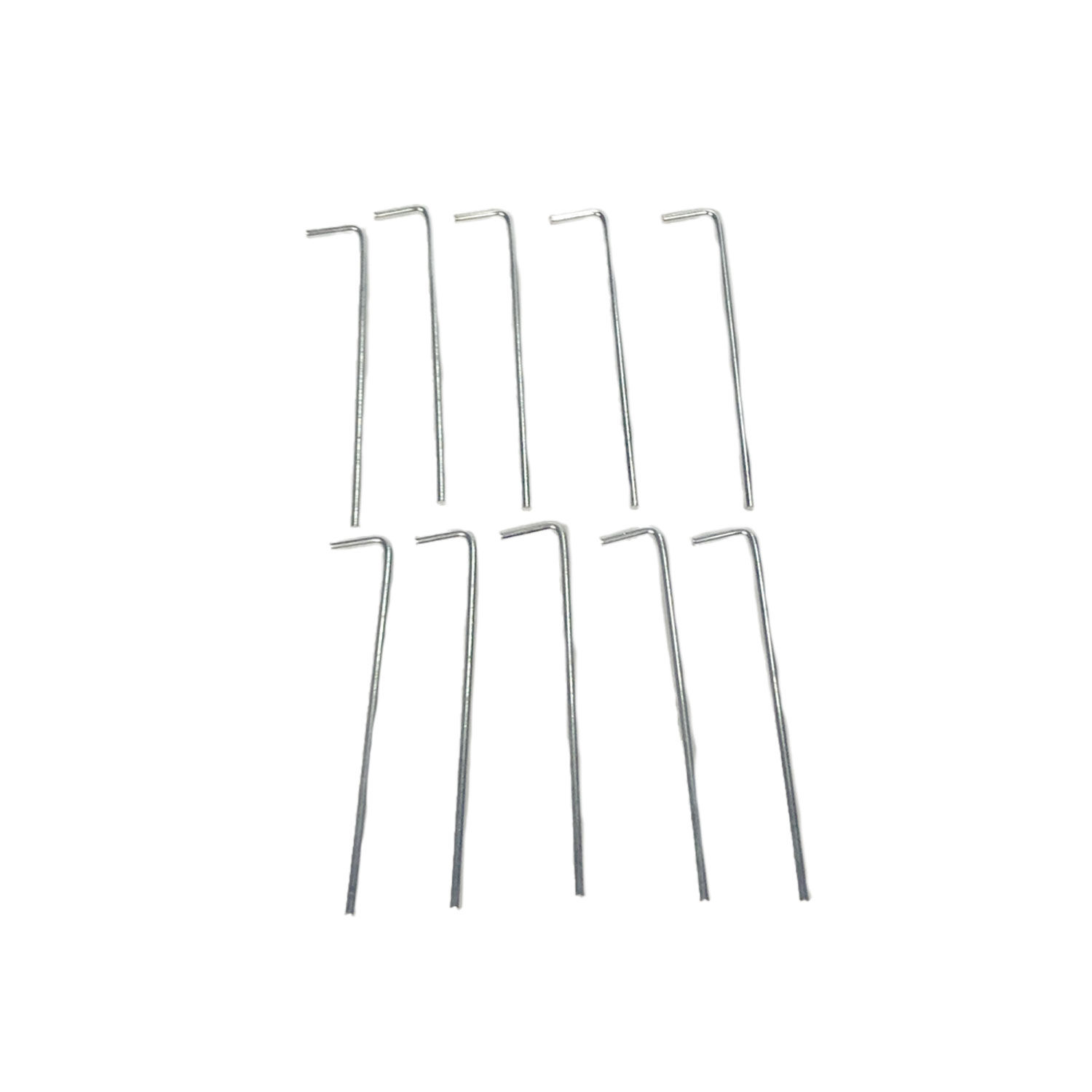
- peg the sidewalls into soft ground
- pull the material taut
- reduce movement in gusty conditions
This helps:
- minimise wall billowing
- improve appearance
- reduce noise
- improve rain runoff around the gazebo perimeter
Important
Sidewall pegs should never be used as the primary anchoring method for the gazebo itself.
The gazebo frame still requires:
- weights
- tie-down kits
- pegs
- ratchet straps
on every leg.
Properly Anchor the Gazebo Itself
A moving gazebo creates moving sidewalls
One of the biggest reasons gazebo sides flap excessively is because the entire structure is shifting during windy conditions.
Even small frame movement transfers directly into the sidewalls.
To reduce movement:
- secure every leg properly
- use weights or tie-down kits
- anchor the frame before tensioning the walls
Recommended Anchoring Methods
On Grass
- heavy-duty pegs
- ratchet straps
- tie-down kits
- additional leg weights
On Concrete or Tarmac
- cast iron gazebo weights
- water weights
- weighted anchoring systems
👉 Explore gazebo weights and anchoring accessories: /gazebo-accessories
How to Keep Gazebo Sidewalls Tight on Hard Ground
Hard surfaces can be more difficult because sidewall pegs cannot be used.
The best combination is usually:
- cast iron leg weights
- ground bars
- properly tensioned sidewalls
- reduced canopy height in windy conditions
Lowering the gazebo slightly can also reduce fabric movement by decreasing wind uplift beneath the structure.
Additional Tips to Reduce Gazebo Sidewall Movement
Remove Sidewalls in Extreme Winds
In very strong gusts, sidewalls increase wind resistance dramatically.
Removing one or more panels can:
- reduce pressure build-up
- improve airflow
- decrease strain on the frame
Keep Sidewalls Properly Attached
Check:
- Velcro straps
- zips
- clips
- attachment points
Loose upper fixings allow additional movement and vibration.
Avoid Overstretching the Fabric
Over-tensioning can strain seams and attachment points unnecessarily.
The goal is:
- firm tension
- smooth walls
- controlled movement
not rigid overstretching.
Recommended Accessories for Windy Conditions
The following accessories help reduce gazebo sidewall flapping most effectively:
- gazebo ground bars
- cast iron gazebo weights
- ratchet tie-down kits
- sidewall pegs
- additional anchoring straps
Used together, they significantly improve stability and sidewall tension.
Why Ground Bars Make Such a Big Difference
Many gazebo owners assume weights alone will stop sidewalls moving, but weights mainly prevent the gazebo from lifting or sliding.
Ground bars solve a different problem entirely:
- they stabilise the lower frame
- keep the structure square
- tension the wall panels
- reduce inward and outward flexing
For windy outdoor environments, they are often the single most effective upgrade.
Small Amounts of Movement Are Normal
Because gazebo sidewalls are made from flexible PVC-coated polyester, some movement will always occur during windy weather.
The aim is not to eliminate movement completely, but to:
- reduce excessive flapping
- improve stability
- minimise strain
- protect people and products inside the gazebo
With proper anchoring and the right accessories, sidewall movement can be reduced dramatically.
Need Help Choosing the Right Gazebo Accessories?
Gala Tent supplies a full range of:
- gazebo weights
- ground bars
- sidewalls
- anchoring kits
- spare parts and accessories
If you need advice on improving gazebo stability in windy conditions, our team is happy to help.
📞 Call 01709 242454
💬 Start a Live Chat
📧 Send us a message for expert advice
Frequently Asked Questions
What is the best way to stop gazebo sidewalls flapping?
Why are my gazebo sides flapping so much?
Do gazebo weights stop sidewalls moving?
Can sidewall pegs be used on concrete?
Should I remove gazebo sidewalls in strong winds?