The Evolution of Marquees
From Medieval Shelters to Modern Event Spaces
Marquees have been part of outdoor gatherings for centuries. They started as simple fabric shelters and grew into large event spaces used across hospitality, entertainment, business and public events.
They were first built for trade, military operations and basic shelter. Over time they became linked with celebrations, exhibitions, festivals and big public gatherings.
Modern marquees are stronger, more weather-resistant and more useful than ever. They now work as wedding venues, hospitality suites and semi-permanent commercial structures.
This article covers how marquees changed over time, how modern event structures came about, and why marquees still matter so much for outdoor events and hospitality.
What Is a Marquee?
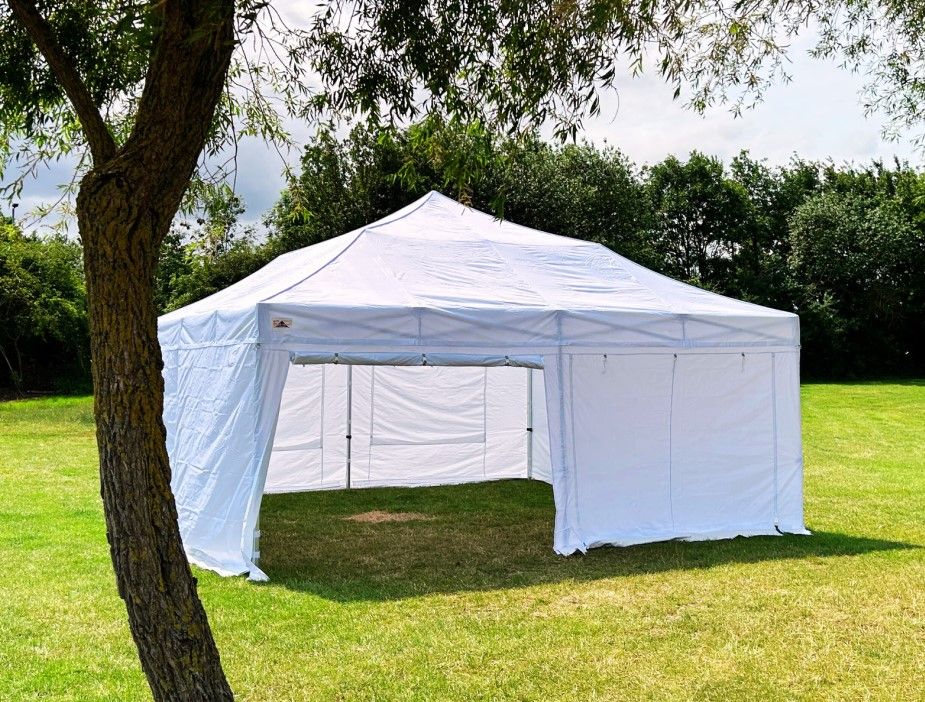
A marquee is a temporary outdoor structure designed to create sheltered event space.
Traditionally, marquees were fabric-covered structures held up by poles and ropes. Modern marquees use aluminium or steel frames with tough PVC or PE covers. That makes them stronger, safer and better in bad weather.
Marquees are commonly used for:
- weddings
- festivals
- hospitality venues
- exhibitions
- sports events
- outdoor dining
- temporary commercial space
- private functions
Unlike smaller gazebos or pop-up shelters, marquees are built for bigger guest numbers and longer outdoor use.
The Earliest Marquees
Markets, Trade & Military Use
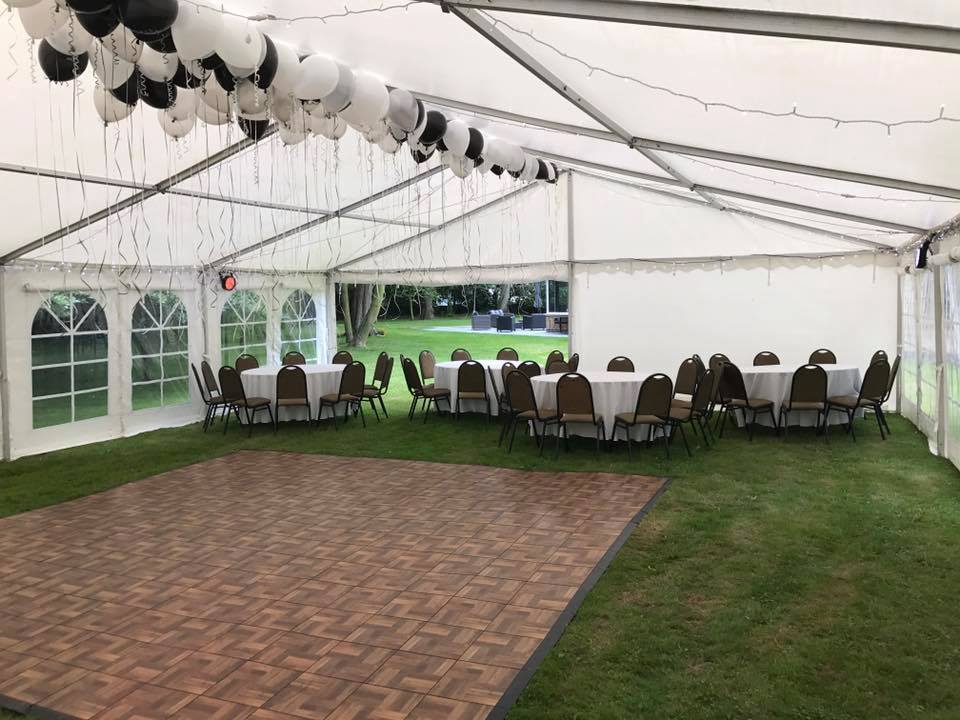
The earliest marquees go back hundreds of years. They were temporary fabric shelters used across Europe, the Middle East and Asia.
These structures were practical and widely used for:
- open-air markets
- travelling merchants
- military encampments
- ceremonial gatherings
- temporary shelter
Early marquees were made from timber poles, ropes, canvas and animal hide. They kept the weather off, but they were nowhere near as strong or as well built as modern systems.
At this stage, marquees were valued for practicality rather than comfort or looks.
Marquees Become Social & Event Spaces
Fairs, Circuses & Aristocratic Gatherings
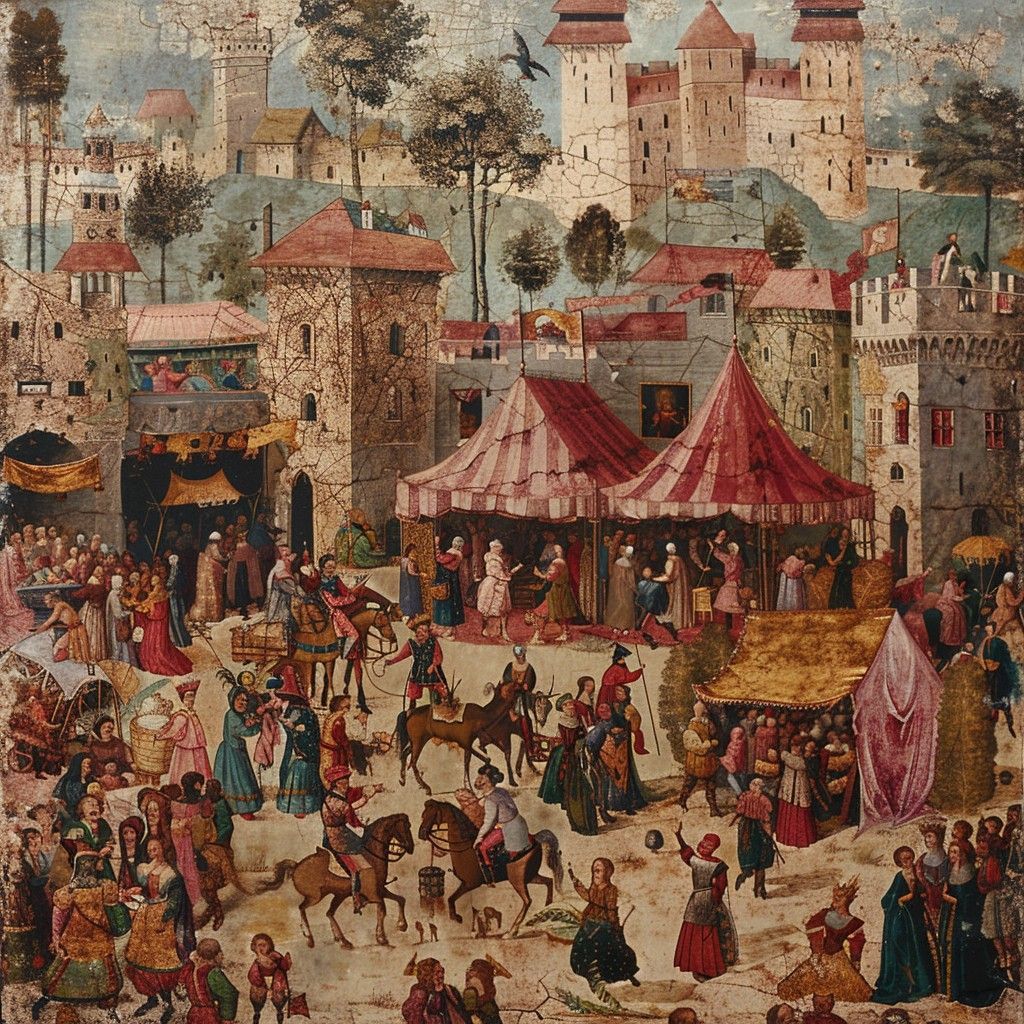
By the 18th and 19th centuries, marquees were closely linked with entertainment and public events.
Across the UK and Europe, large temporary structures were used for:
- travelling circuses
- public fairs
- exhibitions
- military briefings
- aristocratic garden parties
This is when marquees started to become more than basic shelter. They became spaces for social gatherings and hospitality.
They were still hard to move and slow to put up. Unless you owned a large estate or ran a hire firm, they were out of reach.
The Rise of Modern Event Marquees
Weddings, Exhibitions & Hospitality
In the early and mid-20th century, marquees became popular for weddings, agricultural shows, exhibitions and outdoor hospitality.
Canvas pole tents became well known as event structures able to host:
- wedding receptions
- formal dinners
- trade fairs
- public celebrations
- corporate functions
At this stage, marquees were mostly hired rather than owned, and specialist rental companies ran the industry.
Their size, the transport they needed and the work involved in setting them up put them out of reach for smaller businesses and private customers.
The Shift Towards Durable Commercial Marquees
Stronger Materials & Greater Accessibility
By the late 20th century, big changes in materials and manufacturing reshaped the marquee industry.
Canvas gave way to tougher PE and PVC coverings, which improved:
- waterproofing
- UV resistance
- longevity
- maintenance
- structural reliability
Lighter aluminium frames also began to replace heavy timber and steel. Marquees became easier to move, put up and scale.
These changes took marquees out of specialist hire and into wider commercial and home ownership.
The Growth of Marquee Ownership
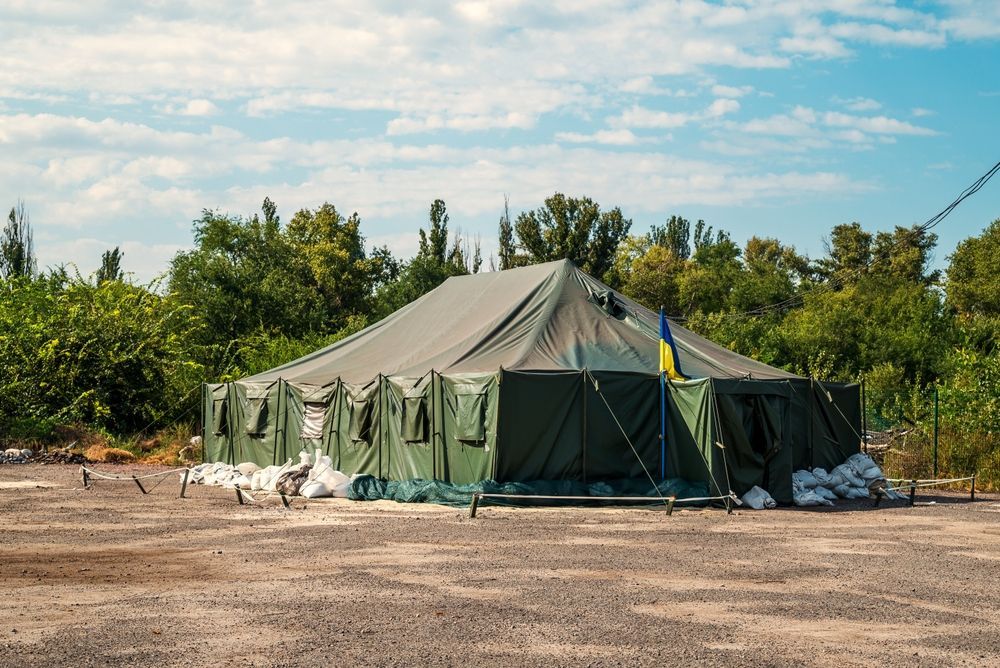
As manufacturing improved in the 1990s, more businesses, hospitality venues, event organisers and private customers could afford to own a marquee.
This period saw growing demand for:
- garden marquees
- commercial event shelters
- hospitality structures
- modular marquee systems
- temporary business space
Instead of relying on hire companies, businesses and individuals could buy their own event structures and use them again and again.
Companies like Gala Tent played a big part in this, making durable professional-grade marquees far easier to buy across the UK.
Modern Marquees Today
Stronger, Smarter & More Versatile
Modern marquees are now used for far more than weddings and garden parties.
Better engineering, modular building and weatherproofing have turned them into flexible outdoor space that suits many industries.
Today's marquees are commonly used for:
- weddings and private events
- hospitality venues
- beer gardens
- exhibitions and trade events
- sports hospitality
- festivals
- temporary warehousing
- semi-permanent outdoor space
Better Materials & Weather Resistance
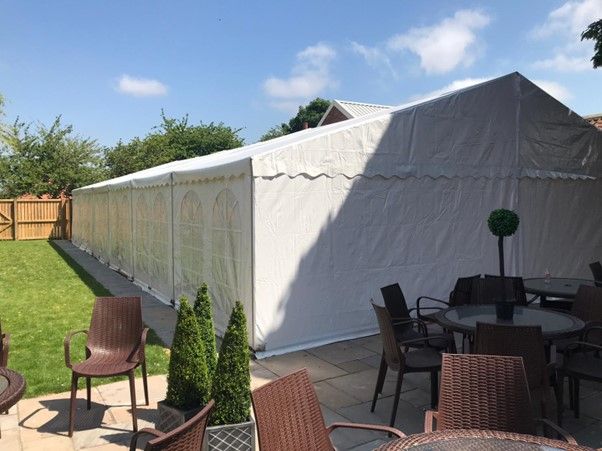
Modern marquees use PE and PVC covers built to last outdoors.
Benefits include:
- waterproof construction
- stronger UV resistance
- wipe-clean surfaces
- longer lifespan
- improved weather protection
Heavy-duty aluminium and steel frames are far stronger than before. They also weigh less, which makes them easier to move.
Branded & Custom Event Structures
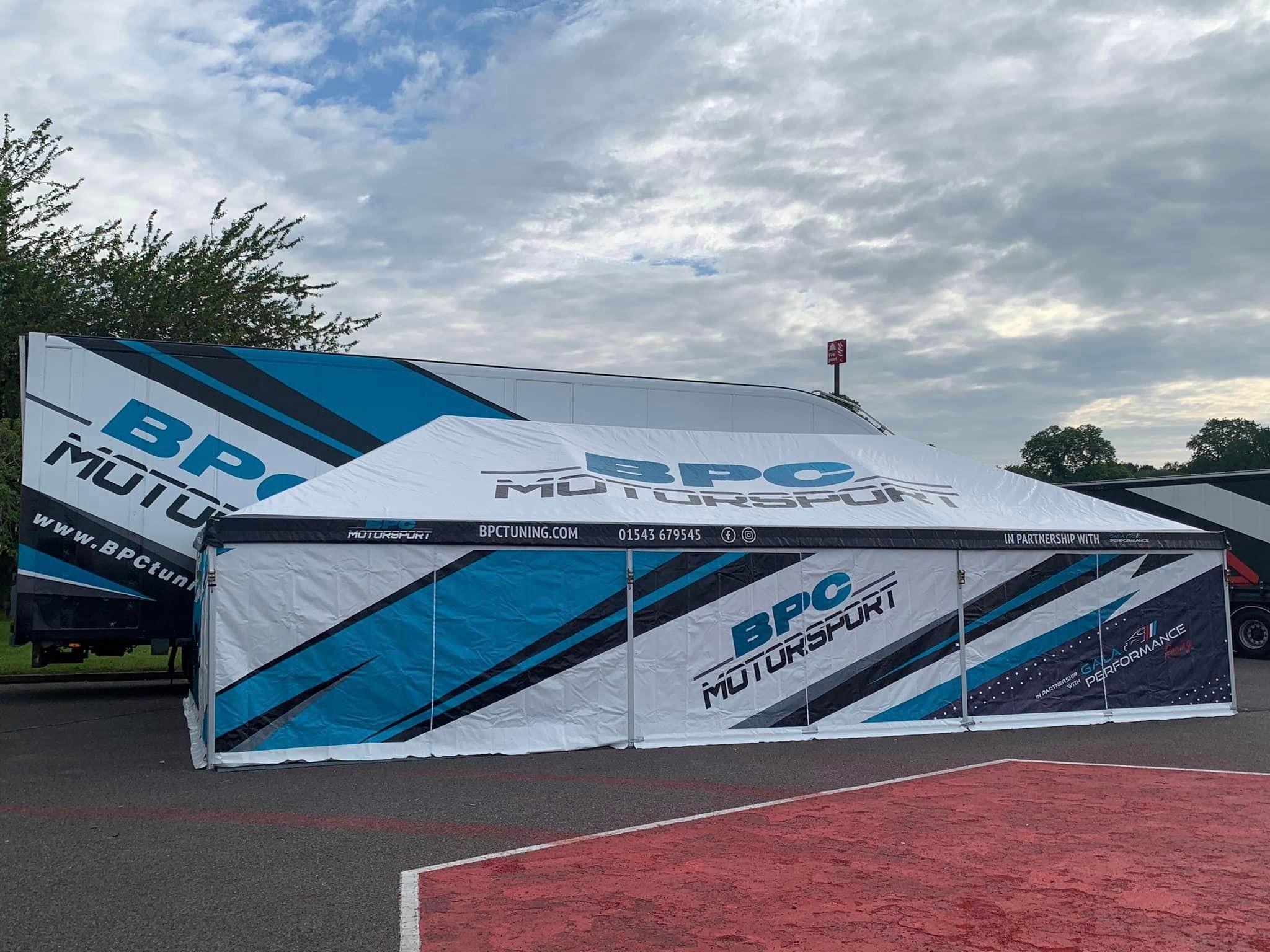
Modern marquees are also useful branding tools.
Custom printed marquees are now widely used for:
- exhibitions
- motorsport hospitality
- outdoor marketing
- retail promotions
- sponsorship activation
- branded event spaces
Marquees now do promotional work as well as practical work, and they form a visible part of how a brand looks to customers.
Modular Marquee Systems
One of the biggest developments in recent years is the rise of modular marquee systems.
Modern modular marquees are not stuck with a fixed layout. You can add or remove sections depending on the size of the event and what you need.
That flexibility has made marquees popular for:
- hospitality venues
- commercial events
- large-scale festivals
- outdoor dining
- semi-permanent event space
Systems such as Fusion Modular Marquees let venues add outdoor space without committing to a permanent build.
The Future of Marquees
Outdoor events, hospitality spaces and flexible commercial space keep changing, so the marquee industry is expected to keep innovating.
Future developments are likely to include:
- more sustainable materials
- one-piece pop-up marquees
- energy-efficient lighting and heating
- advanced modular anchoring systems
- integrated smart technology
- hybrid semi-permanent structures
Marquees are now seen as adaptable outdoor spaces in their own right, able to support hospitality, entertainment and business all year round.
Related Pages