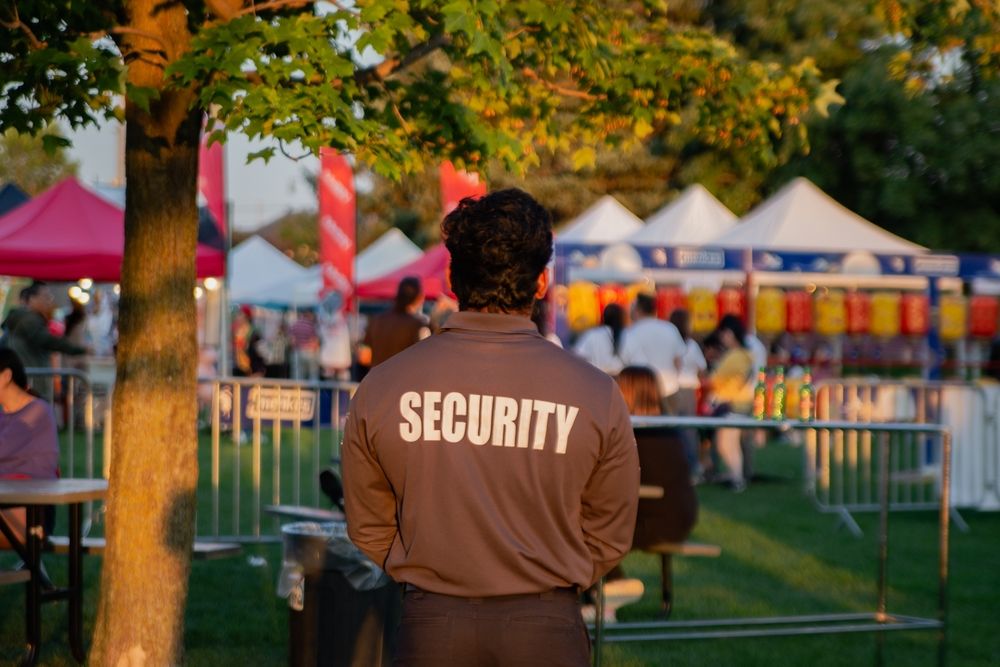
How Martyn's Law Affects Festivals
Martyn's Law is the Terrorism (Protection of Premises) Act 2025. It asks those responsible for certain public premises and events to take proportionate steps to be ready for a terrorist attack. For events in scope, that covers security planning, risk assessment and the management of clearly defined entry points.
For festivals and large outdoor gatherings, this often means bringing in structured entry procedures such as ticket checkpoints, bag search areas and steward coordination points.
These measures help organisers control how people come onto the site, and let security teams watch how the crowd is moving and act quickly if something looks wrong.
What is Martyn's Law?
Martyn's Law is the Terrorism (Protection of Premises) Act 2025. It received Royal Assent on 3 April 2025 and was brought forward after the Manchester Arena attack, to make sure organisations take reasonable steps to protect the public.
The government has set an implementation period of at least 24 months, so the duties are not yet in force and there is no requirement to comply until the Act commences. The Home Office has published statutory guidance to help those in scope get ready.
The Act is about practical planning and awareness rather than costly building work. Those responsible for premises and events in scope are expected to assess the risks and put in place sensible safety measures that suit the size and nature of the event.
For festivals, that usually means looking again at entry procedures, crowd management and how well the team can see what is happening across the site.

Why Security Checkpoints Are Important at Festivals
Controlled entry points are one of the best ways to manage safety at a large event. Security checkpoints let organisers see who is arriving, carry out bag checks and guide people in through a set process.
Common checkpoint activities include:
- ticket scanning and validation
- bag searches
- accreditation checks for staff and performers
- steward coordination and communication
- queue management for arriving attendees
Bringing these jobs together at set entry zones means the event team keeps an eye on the whole process, and people get in without a mess.
Temporary Structures in Festival Security Operations
Festivals are often held in open spaces with little in the way of permanent buildings. Temporary structures therefore do a lot of the work in marking out clear working areas.
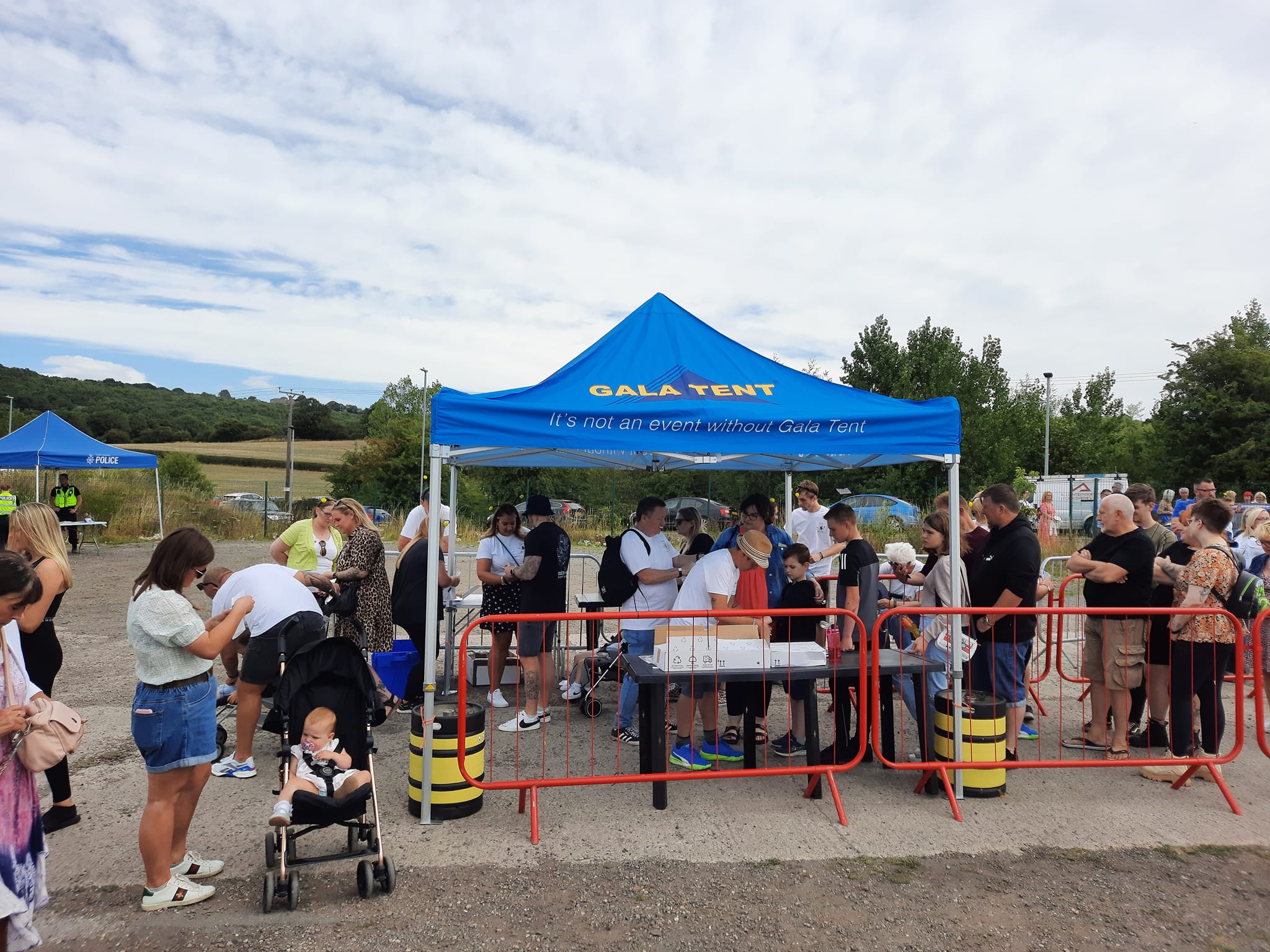
Heavy-duty pop-up gazebos and shelters are widely used by event organisers to support security and stewarding teams. They give staff a covered place to work while they carry out entry checks and manage the crowd.
They are commonly used for:
- bag search stations
- ticket scanning desks
- steward briefing areas
- first aid and welfare points
- incident response locations
Because temporary shelters go up quickly and can stand wherever they are needed, organisers can shape the site layout around the event rather than the other way round.
Creating Visible Security Zones
Being easy to spot is an important part of event safety planning. When security areas are clearly marked, people know where the entry checks happen and how to move through the event safely.
Covered checkpoint areas also keep security staff visible and easy to approach for anyone who needs help.
Clear working zones help the crowd move more smoothly, and keep safety procedures the same across the whole event.
Planning Safer Festival Environments
Martyn's Law pushes event organisers towards planning for safety early rather than late. Risk assessments, trained staff and well-organised working zones all make a public event safer.
Temporary structures and clearly marked checkpoints support that work. They help teams set up visible entry points, run security procedures in step with each other, and give staff somewhere proper to work across the site.
With good planning and the right equipment in place, organisers can build an event that stays welcoming, orderly and safe for everyone who comes.
Supporting Security Operations at UK Festivals
Temporary shelters, such as marquees and gazebos, are used across UK festivals to support the teams who look after security, ticketing and event safety. Organisers often rely on tough pop-up structures to mark out clear working areas for stewards, security staff and medical teams.
These structures cover both kit and people, and make checkpoint locations easy to find across the site. From bag search areas at the main gates to steward coordination points inside the grounds, temporary shelters give the teams a tidy, reachable place to work all through the event.
Equipment Built for Busy Events
Large festivals need kit that goes up fast, takes heavy use and keeps working when the weather turns. Heavy-duty pop-up gazebos are a common choice because they can be put up quickly and moved as the site layout changes.
For organisers running crowd entry, security checkpoints or accreditation areas, shelter you can trust keeps the day running to plan. Clear structures also help people find the places they need, such as information points, security screening zones and welfare stations.
Supporting Organisers with Practical Event Solutions
Festival organisers need kit that holds up under pressure. Temporary shelters and gazebos are a flexible way to set up security checkpoints, stewarding zones and working hubs across a large outdoor site.
Good planning and the right equipment together let event teams run their safety procedures while keeping the place welcoming for everyone attending.
Frequently Asked Questions
What is Martyn's Law?
Martyn's Law is the Terrorism (Protection of Premises) Act 2025. It received Royal Assent on 3 April 2025 and is intended to improve security preparedness at publicly accessible locations and events. The government has set an implementation period of at least 24 months, so the duties are not yet in force.
Does Martyn's Law apply to festivals?
Yes, where an event falls within the scope of the Act. Festivals and large public events are expected to consider appropriate safety measures, including risk assessments and security planning, as part of their event management responsibilities. Scope depends on how many people it is reasonable to expect to be present, so organisers should check the Home Office guidance for their event.
Why do festivals use security checkpoints?
Security checkpoints allow organisers to manage entry, carry out bag searches and monitor crowd activity as attendees arrive at the event site.
How are gazebos used for festival security?
Heavy-duty gazebos are commonly used as temporary shelters for bag search stations, ticket checkpoints, steward coordination areas and first aid points.