Why Start a Street Food Business? 5 Benefits for New Food Entrepreneurs
Starting a street food business offers a relatively low-cost route into the food industry, with lower overheads than a traditional restaurant and the flexibility to trade at markets, festivals, corporate events and private functions. For many entrepreneurs, it provides an opportunity to turn a passion for food into a profitable business while building a recognisable brand and loyal customer base.
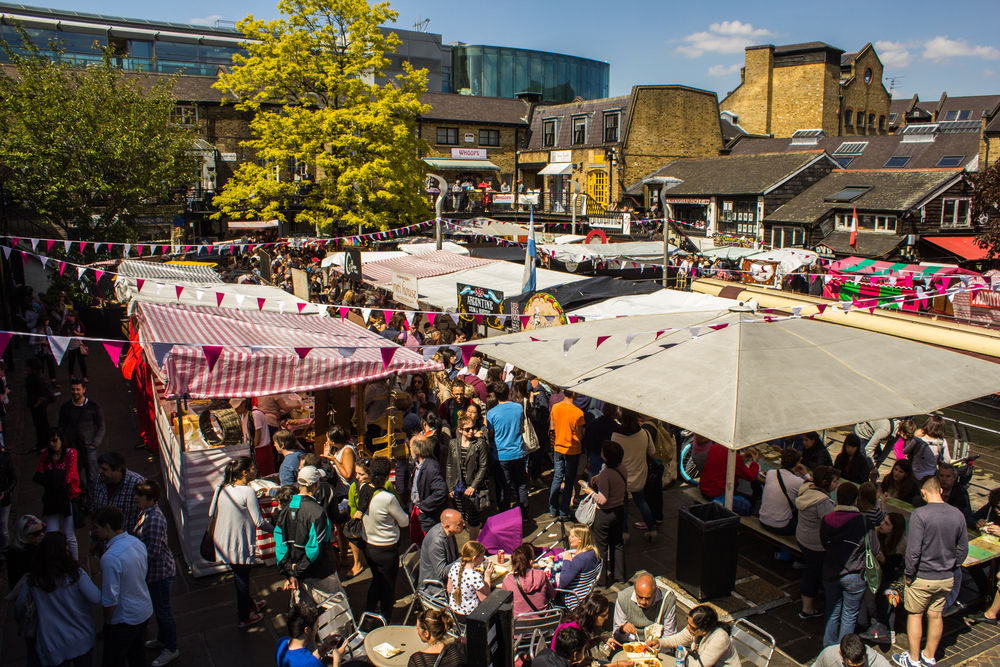
What are the Benefits of Starting a Street Food Business?
1. Flexibility to Fit Your Lifestyle
One of the biggest draws of street food is the freedom it offers. Unlike traditional restaurants with set hours and fixed locations, street food businesses let you take control of your schedule and your setup.
- Work Where You Want: Whether it's a bustling urban market, a quiet rural festival, or a high-traffic food court, you can choose where to pitch your stall or park your van.
- Work When You Want: Fancy doing the 9–5, or prefer weekend events? You set your hours. Many vendors balance their street food venture alongside other commitments.
- Test Locations for Success: A key advantage is the ability to experiment with locations. If one market doesn't bring in the customers you hoped, you can try another venue without the pressure of a long-term lease.
Pro Tip: Many new vendors start with weekend markets or local food events to build confidence and a customer base before committing to full-time operations.
2. Low Start-Up Costs
Launching a street food business is significantly more affordable than opening a restaurant or café. For aspiring entrepreneurs, it's one of the best ways to break into the food industry without racking up massive debts.
Here's a breakdown of typical start-up costs:
- Gazebo Setup: A professional-grade pop-up gazebo (like the Gala Shade Pro 50) with custom branding can cost as little as £800–£1,200.
- Mobile Catering Van: A second-hand van might set you back £10,000 or more, still cheaper than leasing a high-street space but pricier than a gazebo.
- Additional Costs: You'll need cooking equipment, storage solutions, and permits. Depending on your setup, these could range from £500 to £5,000.
Compared to the £50,000+ often required to launch a restaurant, street food is a much more accessible option. Plus, lower overheads mean you can turn a profit more quickly.
Pro Tip: If you're starting on a shoestring budget, consider partnering with other vendors to share market fees or equipment costs.
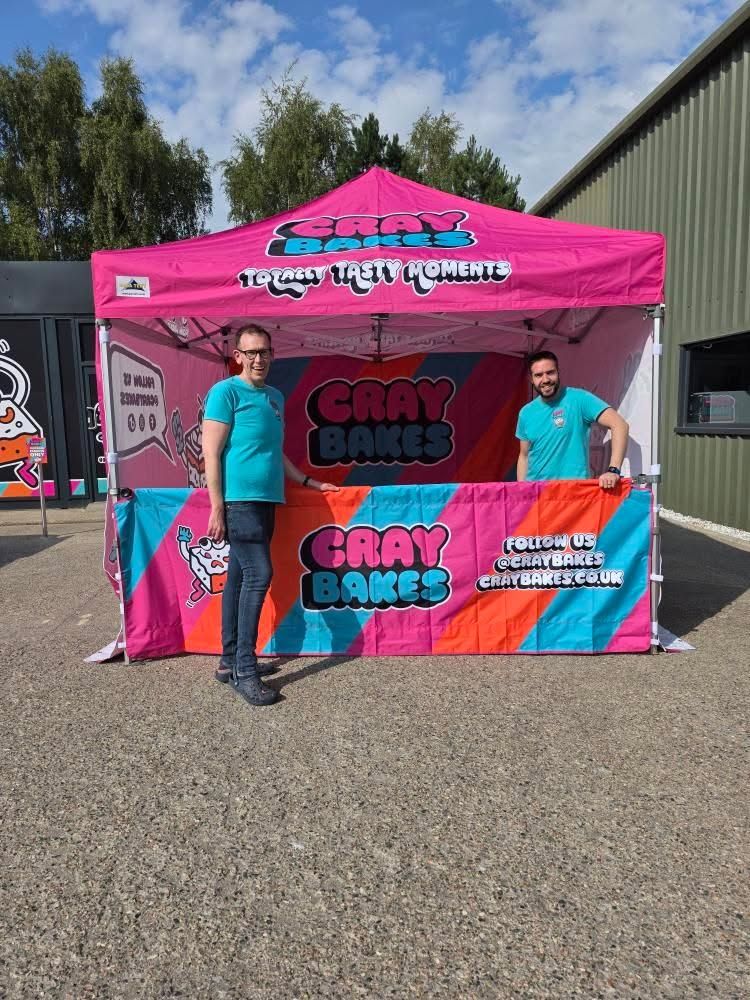
3. Creative Freedom
In the world of street food, creativity reigns supreme. Unlike restaurants bound by a fixed menu or corporate branding, you have the freedom to build something uniquely yours.
- Craft a Unique Menu: From gourmet burgers to plant-based bowls, the choice is yours. Start with a handful of signature dishes, then expand based on customer feedback.
- Express Your Personality: Your stall's look and feel should reflect your brand. Bright colours, catchy slogans, or quirky décor can make your setup stand out.
- Engage Directly with Customers: Street food is personal. Chat with your customers, take their feedback, and build a loyal following.
Pro Tip: Don't be afraid to adapt. The beauty of street food is its agility, so if one dish isn't selling, tweak it or try something new.
4. Thriving Market Opportunities
The street food industry is thriving. Once considered a novelty, street food has become a staple of British dining, offering vendors countless opportunities to find their niche.
- Food Markets: Weekly and monthly food markets in cities and towns provide consistent venues for vendors. Popular spots like Borough Market in London and Digbeth Dining Club in Birmingham draw crowds year-round.
- Festivals and Events: From music festivals to craft fairs, organisers rely on street food vendors to feed their audiences. Many vendors report their biggest profits from these events.
- Corporate and Private Events: Companies are increasingly hiring street food vendors for staff parties, while weddings and birthdays are opting for the charm of gourmet stalls over traditional catering.
Pro Tip: Research your target audience. A bustling urban area might favour trendy, Instagram-worthy dishes, while rural markets could prefer hearty, classic fare.
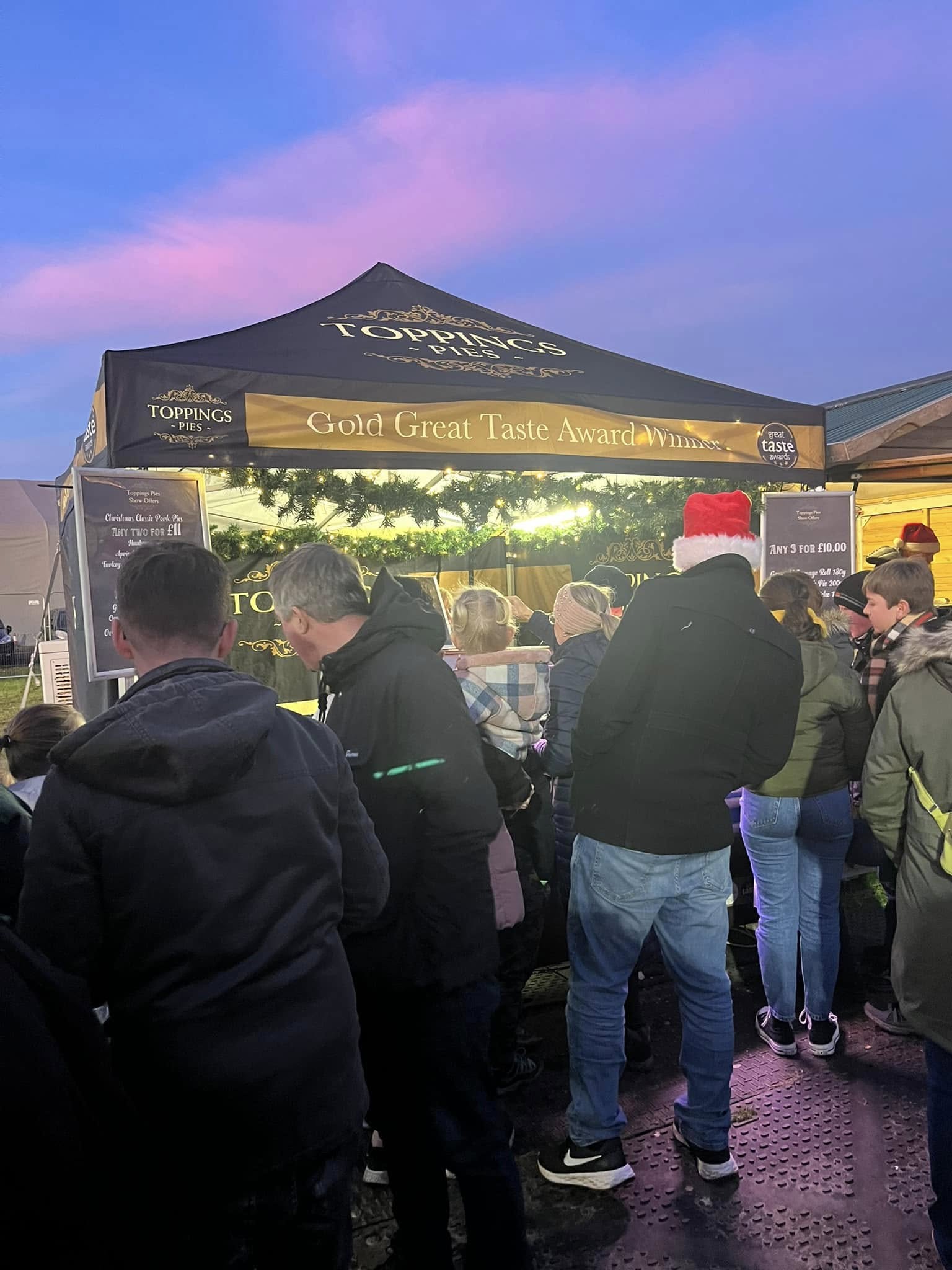
5. A Rewarding Career
Beyond the financial benefits, street food is an incredibly fulfilling career. You're sharing your passion with every plate you serve.
- See Your Impact: Few things are as rewarding as watching customers enjoy the food you've crafted.
- Be Your Own Boss: Build a business that reflects your values and vision, without answering to anyone but yourself.
- Join a Community: The street food world is full of like-minded entrepreneurs who share advice, support, and camaraderie.
Pro Tip: Keep a journal of your journey, it's easy to get caught up in the hustle, but reflecting on your growth can be deeply satisfying.
Is a Street Food Business Right for You?
While street food offers flexibility and relatively low start-up costs, success still requires commitment, planning and hard work. Traders often work early mornings, long event days and busy weekends while managing stock, licences, marketing and customer service.
However, for people who enjoy food, hospitality and building something of their own, street food can be one of the most rewarding ways to enter the catering industry. Many successful vendors begin with a single gazebo or market stall before expanding into larger events, private catering opportunities or permanent premises.
If you're considering launching your own venture, the next step is understanding the costs, equipment and legal requirements involved in getting started.
Frequently Asked Questions
Is starting a street food business profitable?
Can I start a street food business part-time?
Do I need catering experience to start a street food business?
What are the biggest advantages of street food compared to a restaurant?
Can a street food business grow into something bigger?
What is the first step towards starting a street food business?