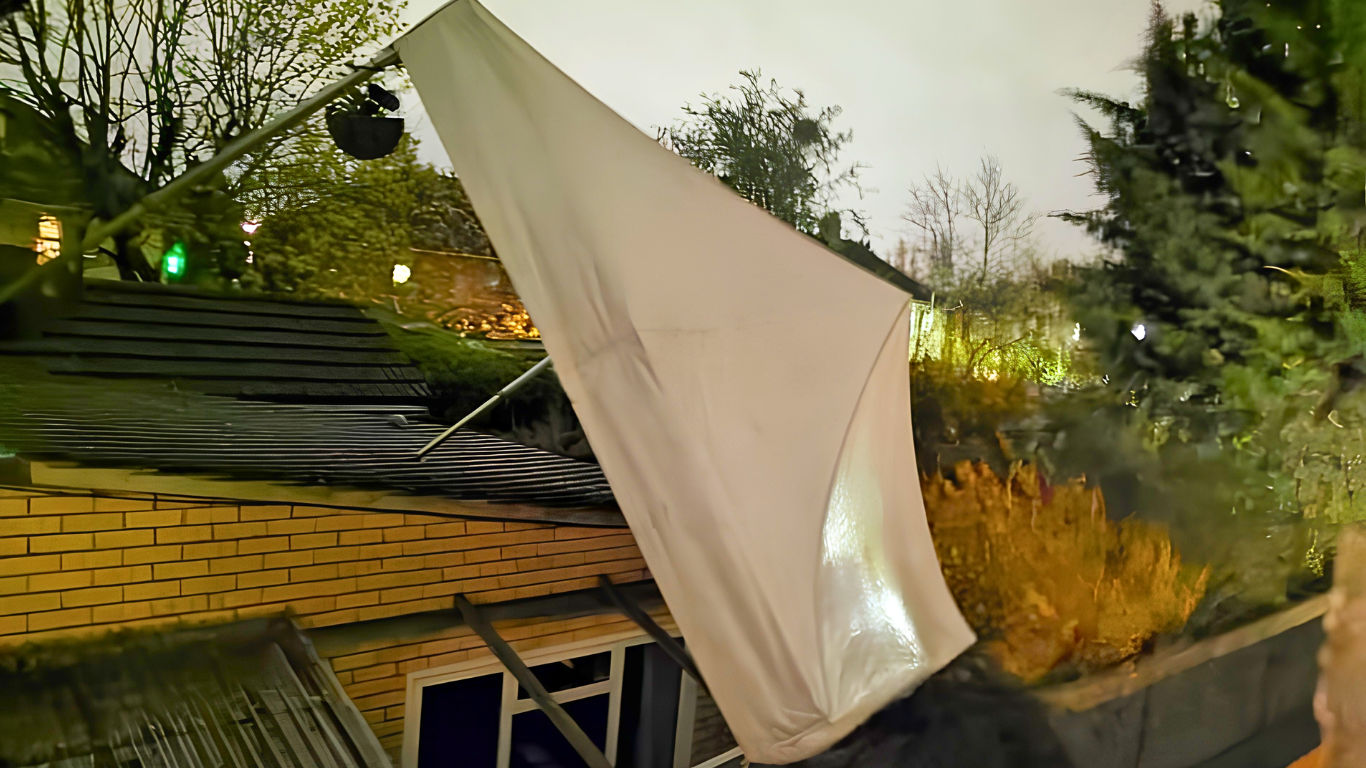
Gala Tent Marquee

Using Gazebos & Marquees in Bad Weather Conditions

British weather can be unpredictable at the best of times. From sudden rain showers to strong winds and changing temperatures, outdoor shelters are often exposed to far more than just sunshine.

Whether you’re using a gazebo for a garden event, market trading, hospitality, construction work, or a large marquee for outdoor functions, understanding how shelters behave during poor weather conditions is essential for both safety and long-term durability.

Wind Is Often the Biggest Risk

While rain is usually the first concern for most people, wind is typically the biggest challenge for temporary outdoor shelters.

Strong gusts can place significant stress on:

This becomes even more important on exposed sites such as:

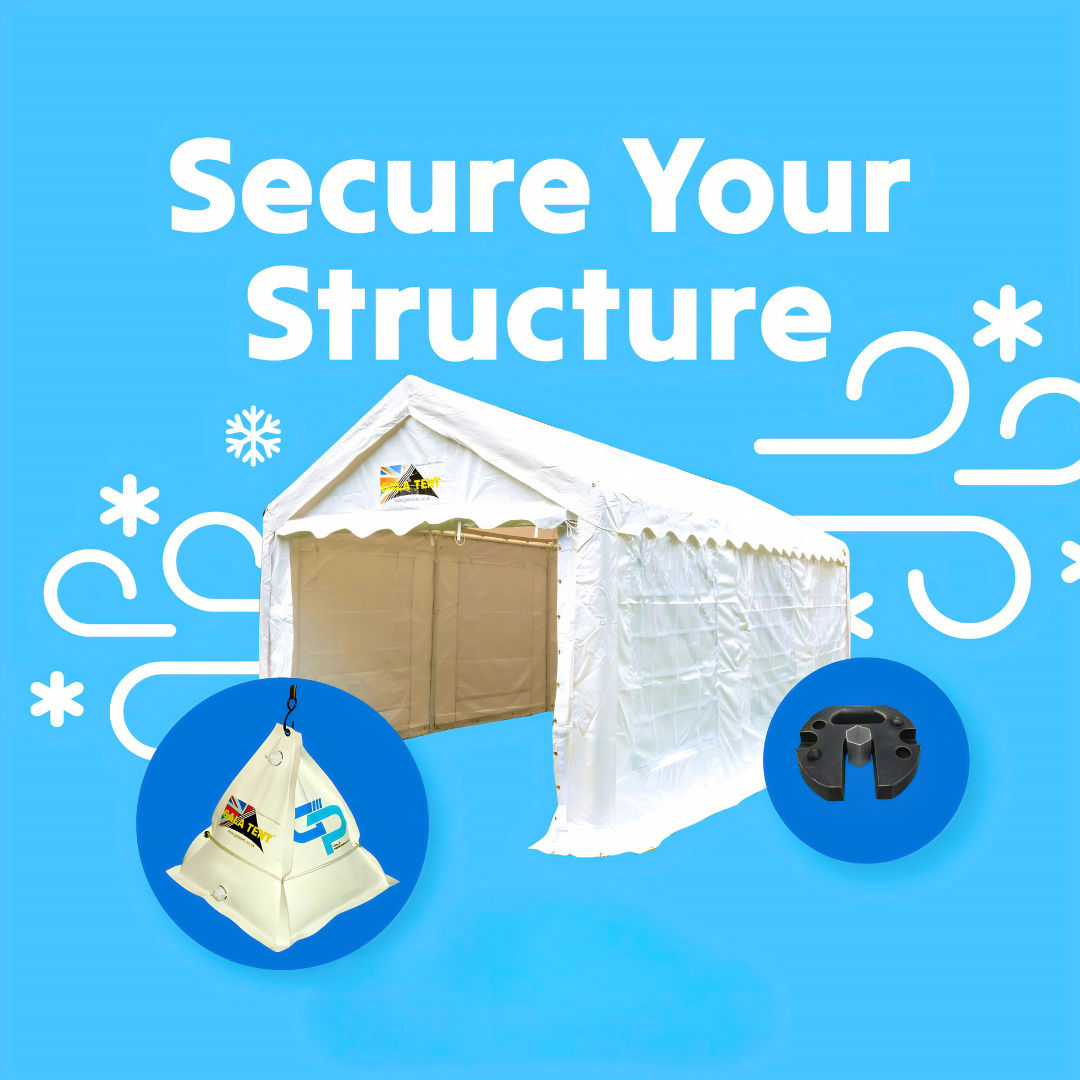
Using suitable gazebo weights and anchoring systems is one of the most important ways to improve stability during outdoor use.

Proper Anchoring Matters

Even during relatively calm conditions, gazebos and marquees should always be secured correctly.

Depending on the surface and shelter type, this may include:

Hard standing surfaces often require different anchoring methods compared to grass or softer ground conditions.

Many businesses regularly operating outdoors choose commercial gazebos because stronger frame systems are generally better suited to repeated outdoor use and changing weather conditions.

secure your structure info image

Rain & Water Build-Up

Heavy rain can also create problems if shelters are not monitored correctly.

Water pooling on canopy roofs can place unnecessary pressure on the structure and increase the risk of damage over time.

To help reduce water build-up:

  • ensure the shelter is fully tensioned
  • remove standing water promptly
  • check canopy positioning regularly
  • avoid leaving shelters unattended during severe weather

Regular inspections become particularly important during extended outdoor use or multi-day events.

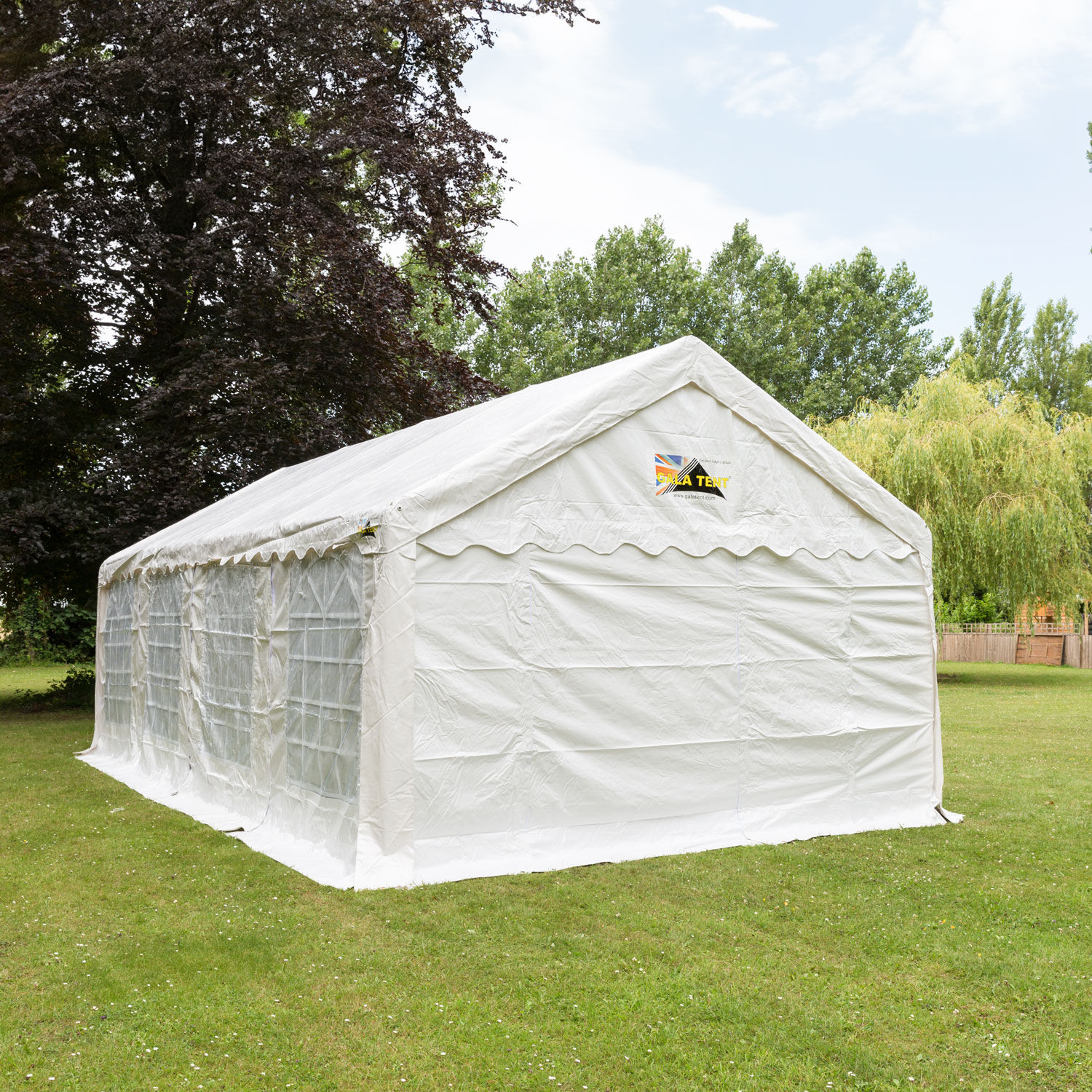
PVC 4x8 Marquee

Sidewalls Can Increase Wind Pressure

While sidewalls provide additional shelter from rain and wind, they can also increase pressure on the structure during gusty conditions.

Completely enclosing a gazebo or marquee may cause wind resistance to increase significantly, particularly in exposed areas.

In stronger conditions, partially opening sidewalls can sometimes help reduce pressure while improving airflow through the structure.

Understanding how shelters behave during changing conditions is particularly important for businesses regularly operating outdoors throughout the year.

Not All Shelters Are Designed the Same

Different shelters are designed for different levels of use.

Lower-cost occasional-use gazebos may not be suitable for:

  • repeated setup
  • prolonged outdoor exposure
  • commercial environments
  • heavier weather conditions

Heavier-duty systems are often designed with:

  • stronger frame profiles
  • reinforced joints
  • thicker canopy materials
  • improved stability
  • higher durability

gala tent vantage

Regular Maintenance Helps Prevent Damage

Ongoing maintenance plays a major role in helping shelters cope with changing weather conditions.

Simple checks such as:

  • inspecting connectors
  • checking frame tension
  • drying covers before storage
  • replacing damaged components
  • monitoring anchor points

can help reduce avoidable damage over time.

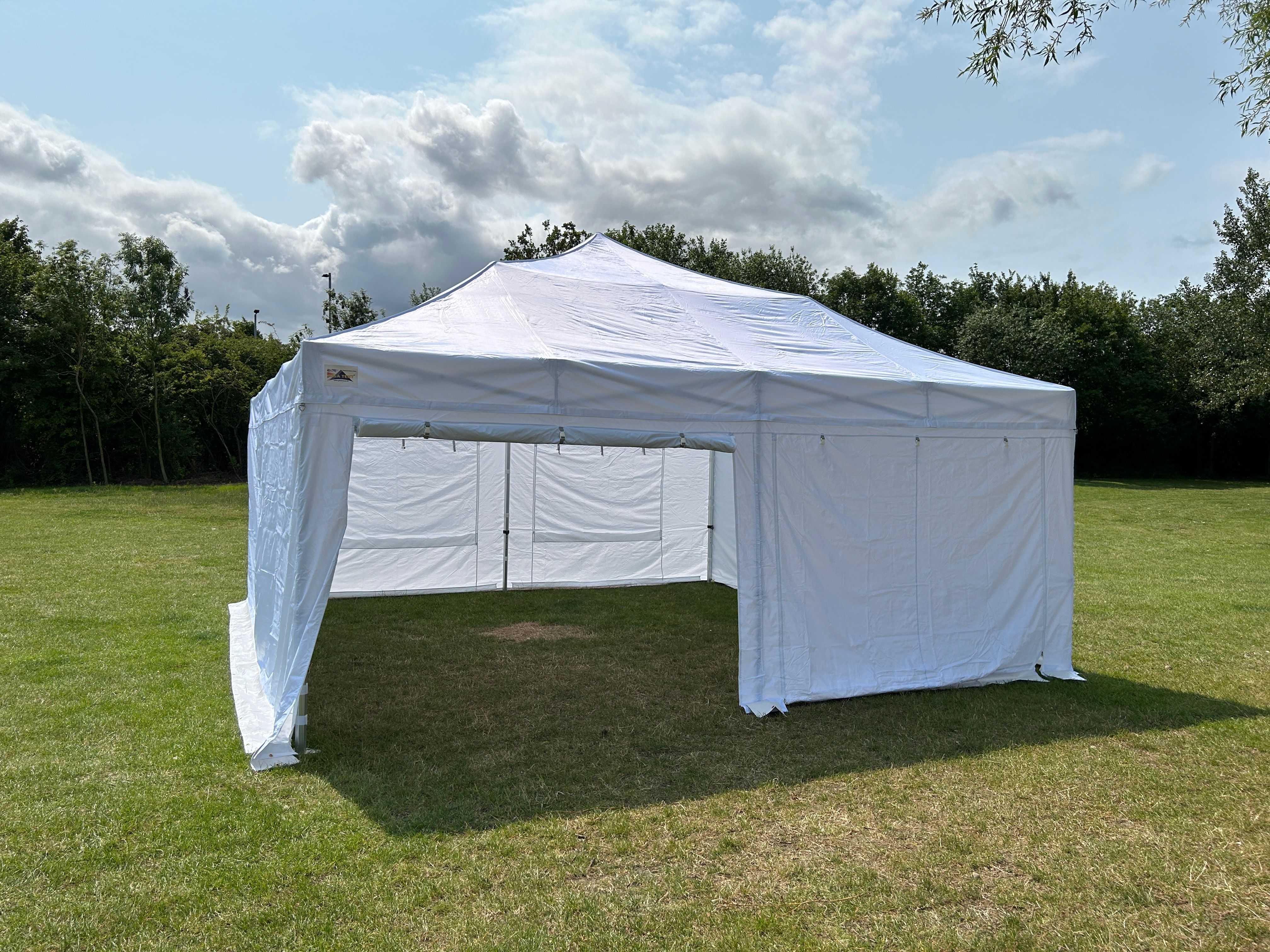
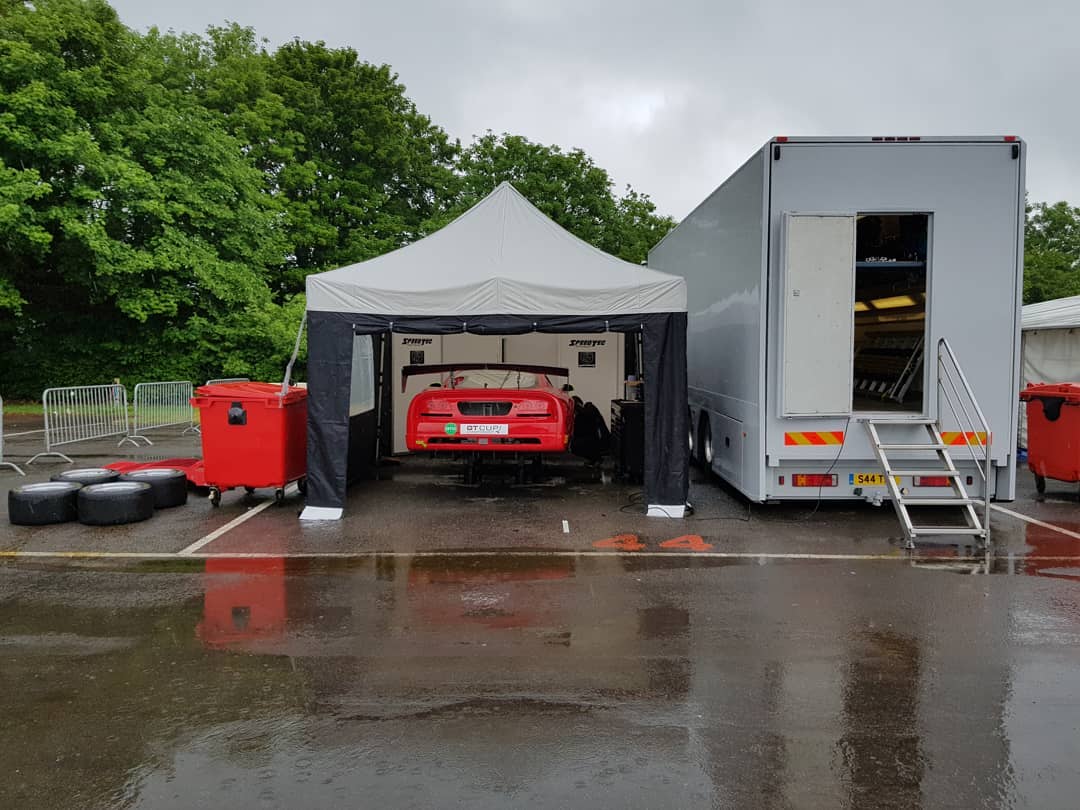
MQ 65 race tent

Weather Conditions Can Change Quickly

Even during summer, conditions can shift rapidly throughout the day. Sudden gusts, heavy rain, and changing temperatures can all affect outdoor shelters unexpectedly.

This is why shelters should never be left unattended during severe weather conditions, particularly overnight or during high winds.

Businesses preparing for hotter conditions may also find it useful to understand how gazebos can provide shade during UK heatwaves while still remaining prepared for changing weather.

Using Outdoor Shelters Safely

Gazebos and marquees provide valuable shelter across a huge range of industries and events, but using them safely during poor weather conditions requires proper preparation, anchoring, and maintenance.

By understanding how changing weather affects temporary shelters, users can help improve safety, reduce avoidable damage, and extend the usable lifespan of their gazebo or marquee over time.

Frequently Asked Questions

Can gazebos be used in bad weather?
Heavy-duty gazebos can be used during changing weather conditions when properly secured and monitored appropriately.
Why are gazebo weights important?
Gazebo weights help improve stability and reduce movement during windy conditions.
Should sidewalls stay fully closed during strong winds?
Fully enclosed sidewalls can increase wind pressure on a structure. Ventilation and airflow may help reduce strain during gusty conditions.
What causes water pooling on gazebos?
Poor canopy tension and prolonged rainfall can allow water to collect on the roof if not monitored properly.
Expert Advice


Good Afternoon, how can I assist you today?

Assistance
ExpandAssistance   Alexandria