



How to Make Your Gazebo Safe for a Public Event
A gazebo that shifts in the wind, a leg that lifts on uneven ground, sidewalls flapping into the walkway. At a busy event, small risks add up fast.
To make your gazebo safe for a public event, use a commercial-grade frame built for public use, anchor every leg for the ground you are on, check the canopy is fire retardant and carry the paperwork, tie down sidewalls and keep walkways clear, keep heat and cables away from the fabric, know when to take it down in wind, and inspect it before and after every event.

Why Gazebo Safety Gets Harder as You Grow
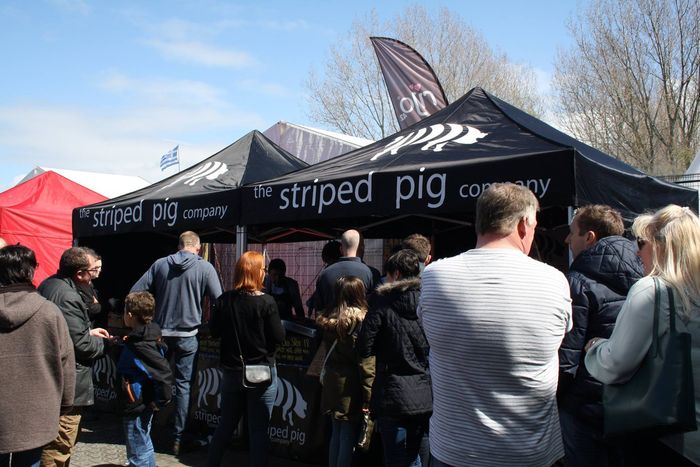
Busier events mean tighter spaces and more people around your stall. The public treat a gazebo as part of the scenery. They lean on it, walk through it, bring children inside and assume it is secure. A lightweight or poorly anchored frame is not built for that, and a setup that felt fine at a quiet event starts to feel risky.
The shortcuts that cause problems
- Lightweight frames designed for the garden
- Minimal anchoring to save setup time
- DIY fixes for uneven ground
- Covers with no known fire rating
These shortcuts rarely cause trouble straight away, which is why they persist. When something does go wrong, the consequences escalate quickly, from being asked to leave the event to an insurance claim.
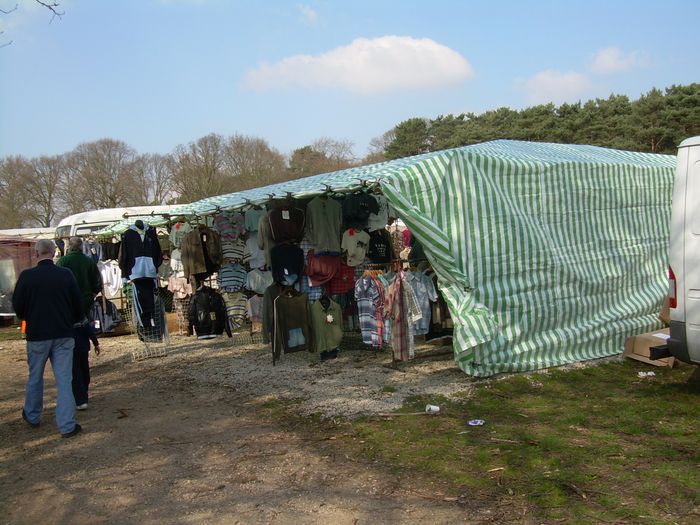
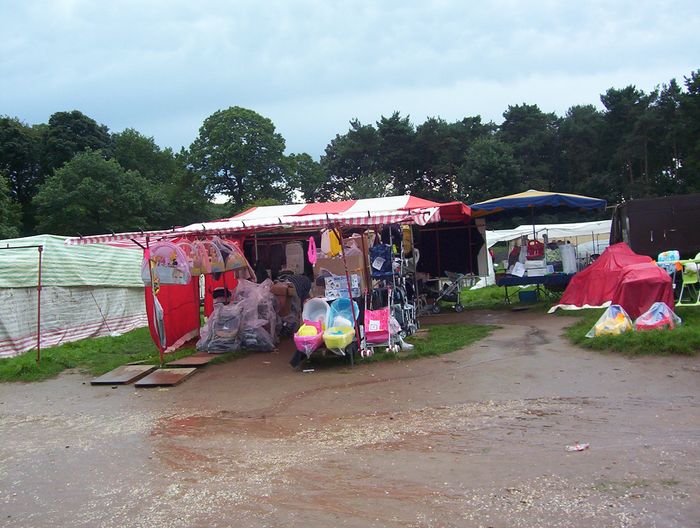
How to Make Your Gazebo Safe: 7 Steps
A safe setup comes from a suitable structure, properly secured, with materials fit for public use. Work through these before every event.
Use a frame built for public use
A commercial-grade gazebo with a rigid aluminium frame and reinforced joints holds its shape under load and behaves predictably when the weather changes. Garden gazebos are not designed for repeated setup, crowds or poor conditions.
Anchor every leg for the ground you are on
On tarmac, concrete or hard standing, ropes and pegs cannot hold, so use weights on every leg. On grass, use pegs and weights together. Anchor before you set out any stock.
Check the canopy is fire retardant and carry proof
Many organisers and councils ask for proof of canopy certification, particularly near catering, heating or electrics. Gala Tent's standard canopies are fire-retardant PVC-coated polyester, and our team can supply the documentation. Transparent PVC canopies are not fire retardant, so choose a standard canopy where the event requires it.
Tie down sidewalls and keep walkways clear
Loose sidewalls flap into walkways and catch the wind. Secure them fully, keep entrances and exits clear, and make sure guy lines, weights and cables are not trip hazards. Our guide on how to stop gazebo sides from flapping covers the detail.
Keep heat and cables away from the fabric
Keep heaters, BBQs and cooking equipment well clear of the canopy and walls, never fully enclose a gas or solid-fuel appliance, and run cables off the ground and away from water.
Know when to take it down
Watch the forecast before and during the event. If the wind picks up beyond safe conditions, taking the gazebo down is the safest option. See how to secure a gazebo in high winds.
Inspect before and after every event
Check legs, joints, bolts and the canopy for wear before you set off and again when you pack down. Replace worn parts straight away, as Gala Tent spares are available next day.
How to Anchor a Gazebo on Any Ground
The right anchoring depends on the surface. Weight every leg whatever the ground.
| Ground | How to anchor |
|---|---|
| Tarmac and concrete | Weights on every leg, as pegs cannot go in |
| Hard standing and gravel | Weights on every leg, with extra weight on exposed sites |
| Grass | Pegs and guy lines plus weights on every leg |
| Indoor halls | Weights only, checked against the venue's rules |
Event Day Safety Checklist
- Weights on every leg
- Pegs on grass
- Sidewalls fully secured
- Clear entrance and exits
- No trip hazards
- Heat sources clear of fabric
- Cables off the ground
- Fire certification to hand
- Public liability insurance to hand
- Forecast checked
Once safety is under control, you stop watching every gust and get on with trading, and organisers trust a setup that looks secure. Running the event yourself? Our guide to gazebo safety for UK event organisers covers what to ask of exhibitors.
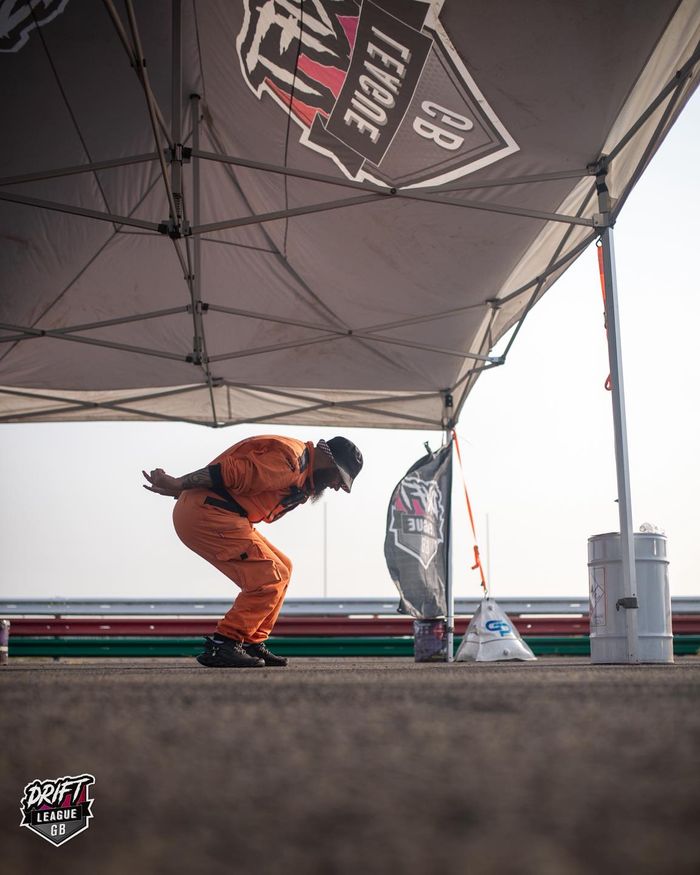
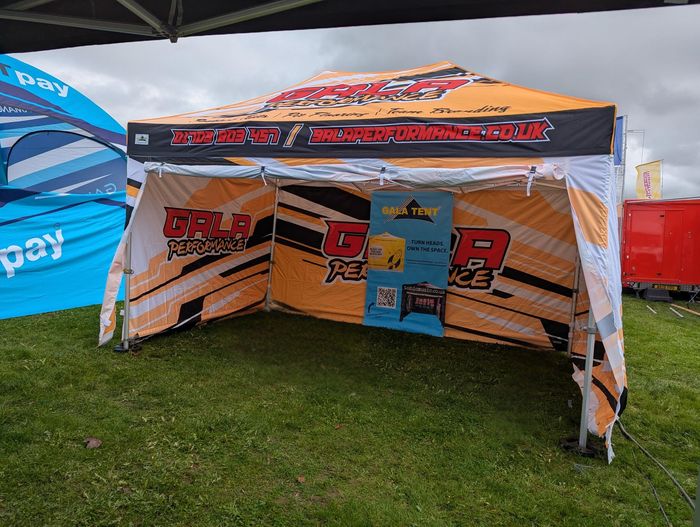
Who This Matters Most For
- Market traders in busy public spaces
- Street food vendors using heat and electrics
- Charities and fundraisers working with crowds
- First aid teams needing a dependable shelter
- Councils and community organisers
- Brands running pop-ups in high-footfall locations
Compliance made simple
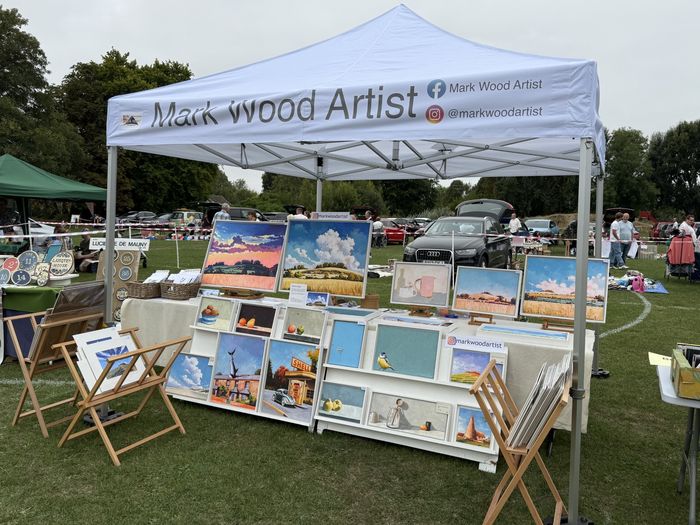
Starting with a structure designed for public use means anchoring, materials and stability are already covered. You configure them for each site, which cuts the risk, the stress and the chance of last-minute problems on the day.
Frequently Asked Questions
How do I make my gazebo safe for a public event?
How do you secure a gazebo on hard standing?
Do event organisers need a fire certificate for my gazebo?
What are the most common gazebo safety problems at events?
When should I take my gazebo down in the wind?
Does a poorly secured gazebo affect my insurance?
A Safer Setup for Every Event
A well-built, properly anchored Gala Tent gazebo reduces risk at the source, giving you a dependable setup for public-facing events. Talk to our UK team about frames, weights and certification.


