Eco-Glamping Structures: Yurts, Domes and Bespoke Builds
A practical guide to glamping structures for holiday parks, retreat operators and landowners, covering yurts, domes, bespoke builds and the decisions that matter.
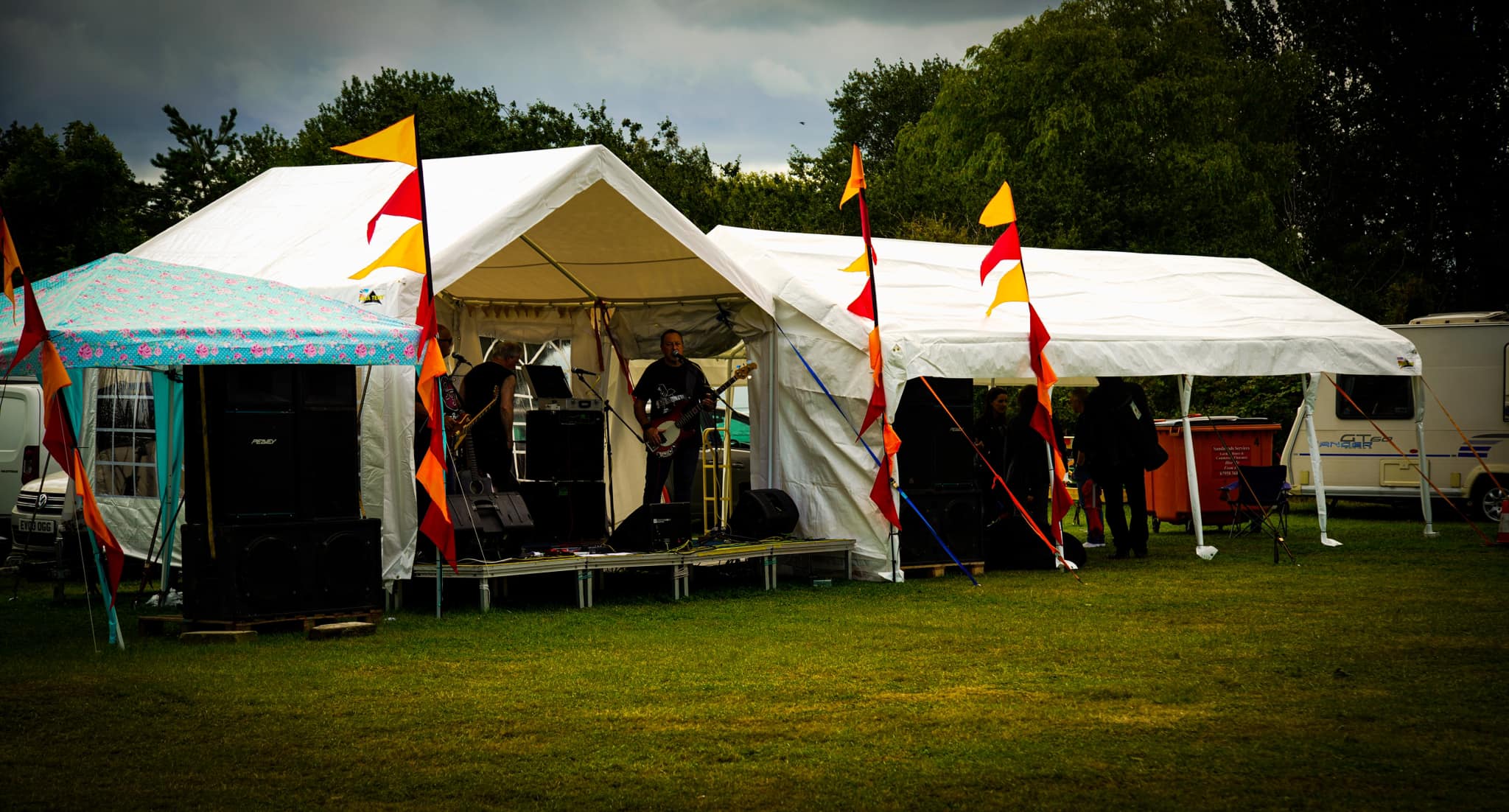
Glamping has moved from a niche idea to a mainstream holiday choice, and for holiday parks, retreat operators and landowners it represents a genuine business opportunity. The structure you choose sits at the centre of that investment, since it shapes what you can charge, how long the season runs and how little maintenance it demands over the years. This guide covers the main options, yurts, geodesic domes and bespoke builds, and the practical points worth weighing before you commit.
Demand for glamping in the UK continues to climb, driven by travellers who want low-impact, comfortable stays in nature. One industry analysis, from Spherical Insights, valued the UK glamping market at around USD 231 million in 2024 and forecasts it to roughly triple by 2035 at a compound growth rate of about 10 per cent a year. Estimates vary between research firms, but the direction is consistent: this is a sector that is expanding rather than contracting, with sustainability and comfort the two forces behind it.
For operators, that growth is only worth capturing with structures that look the part, last for years and keep guests comfortable in any season.
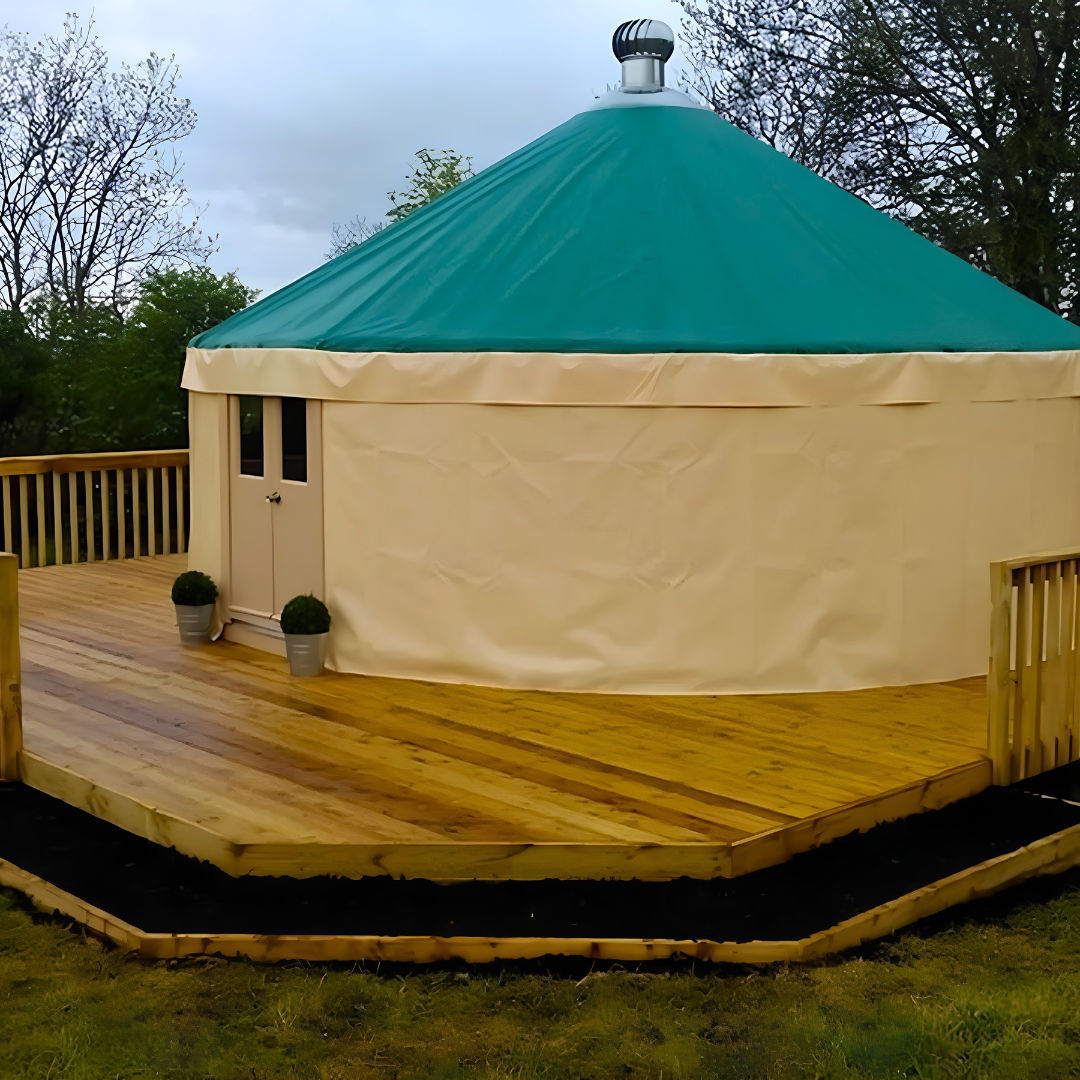
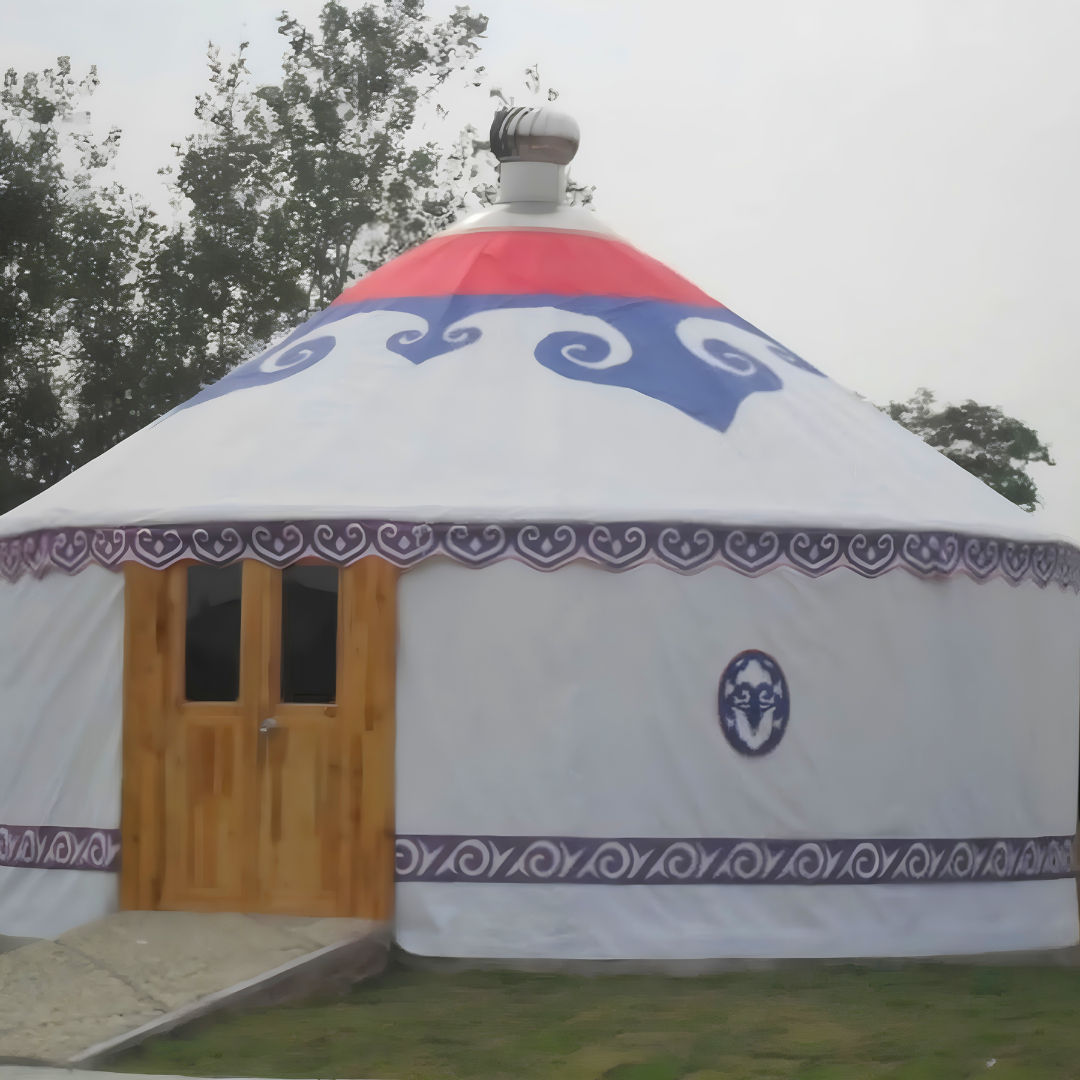
Few structures have the immediate appeal of a yurt. Circular, organic and rooted in heritage, glamping yurts pair traditional design with modern materials for durability and comfort. They suit woodland retreats, coastal sites and meadow-based wellness centres, and their warm, characterful interior is easy to dress and decorate to match a site's style.
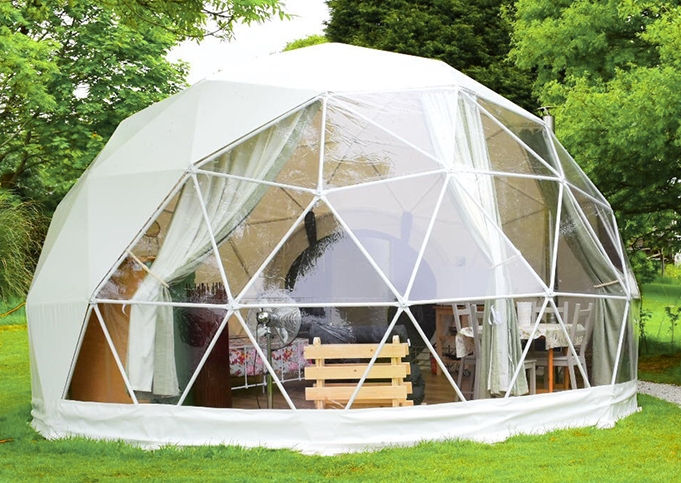
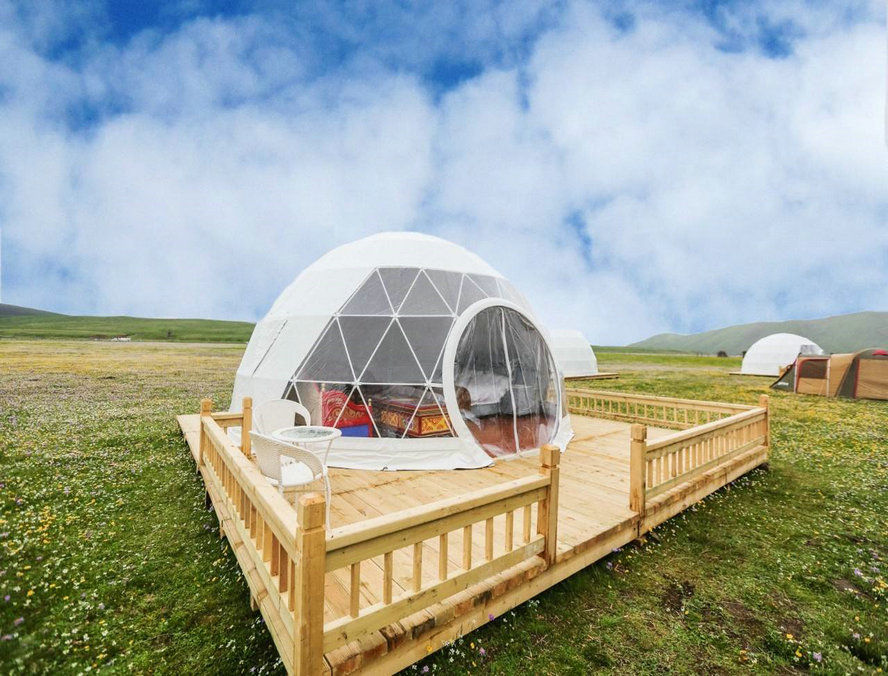
Geodesic domes make a statement before a guest steps inside. Gala Tent's geodesic glamping domes are engineered with a fully galvanised steel frame and heavy-duty 650gsm PVC covers, with panoramic glazing and thermal insulation, in sizes from 4m to 20m. The triangulated frame distributes load evenly, which makes the dome stable in wind, rain and snow when installed correctly, and the structure is tested across a wide temperature range, so with appropriate heating and ventilation it works year-round.
That combination suits operators well. Panoramic windows turn a dome into a stargazing room, the insulated shell extends the season into autumn and winter, and the bold shape photographs well, which matters for bookings. Domes can be fixed to grass with heavy-duty steel anchors or bolted to decking or a concrete base.
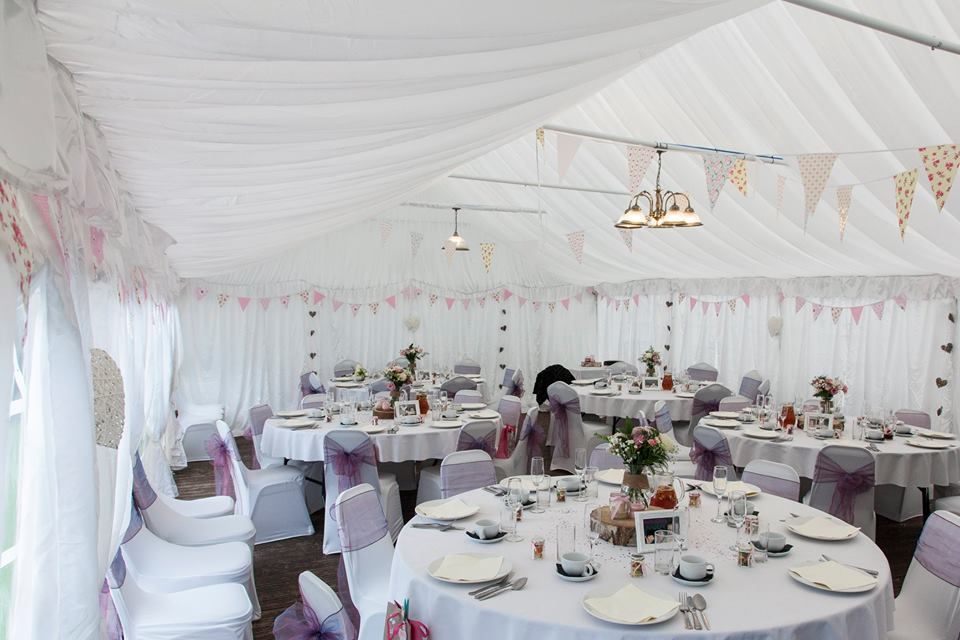
Not every site fits a standard model. Gala Tent's bespoke design service creates structures to a specific brief, from communal dining halls and yoga pavilions to interlinked eco-villages. This is where an operator can build something genuinely distinctive: a Scandinavian-inspired cabin under canvas, a dome perched on a clifftop platform, or a cluster of yurts arranged around a shared firepit. Each can be specified to reflect the site's character and the expectations of the guests it targets, and the same supplier that builds a 500-guest wedding marquee can craft a secluded pod for two.
A glamping structure is a commercial asset, so a few practical points matter as much as the look.
Planning permission. Many glamping installations need planning permission, particularly for multiple units or commercial use, and the rules vary by region, land type and how the structure is used. Confirm what applies to your site with your local authority or via the GOV.UK Planning Portal before you buy.
Siting and anchoring. Domes and yurts can be fixed to grass with steel anchors or bolted to decking or concrete. A level, prepared base gives the best long-term result and the most stability in exposed weather.
Year-round use. An insulated, well-ventilated structure earns through more of the year. Plan heating and ventilation from the outset, since a comfortable winter offer commands higher rates and extends your season.
Durability and return on investment. A structure built for repeated use, with spare parts available for individual components, keeps maintenance costs down and stays in service for years rather than needing wholesale replacement. That longevity is what turns the upfront cost into a sound investment.
Sustainability done credibly. The genuine environmental advantage of a quality structure is that it lasts, can be repaired rather than replaced, and uses recyclable steel and aluminium frames. Operators can build on that with renewable energy such as solar power, water-efficient fittings and locally sourced furnishings. Gala Tent's wider commitments are set out in its environmental policy.
Gala Tent designs, develops and supplies yurts, geodesic domes and bespoke structures for glamping sites, holiday parks and retreats across the UK, with UK-based support and spare parts. To work out which structure suits your site and your business model, the team can advise on 01709 242454 or via Live Chat.

Good Morning, how can I assist you today?


 Alexandria