How to Start a Tent Hire Business
Starting a tent hire business is one of the more accessible ways into the events trade: demand is steady, the barrier to entry is lower than most physical-product businesses, and a lean operator can be taking bookings within weeks of buying their first structures. Weddings, garden parties, corporate functions, festivals, school fairs and community events all need covered space, and most of the people running them would far rather hire than buy. This guide covers what the business actually involves (the model, the kit, the costs, the legal groundwork, pricing, operations and marketing) so you can start with a clear picture of the work and the numbers.
Is a Tent Hire Business Worth Starting?
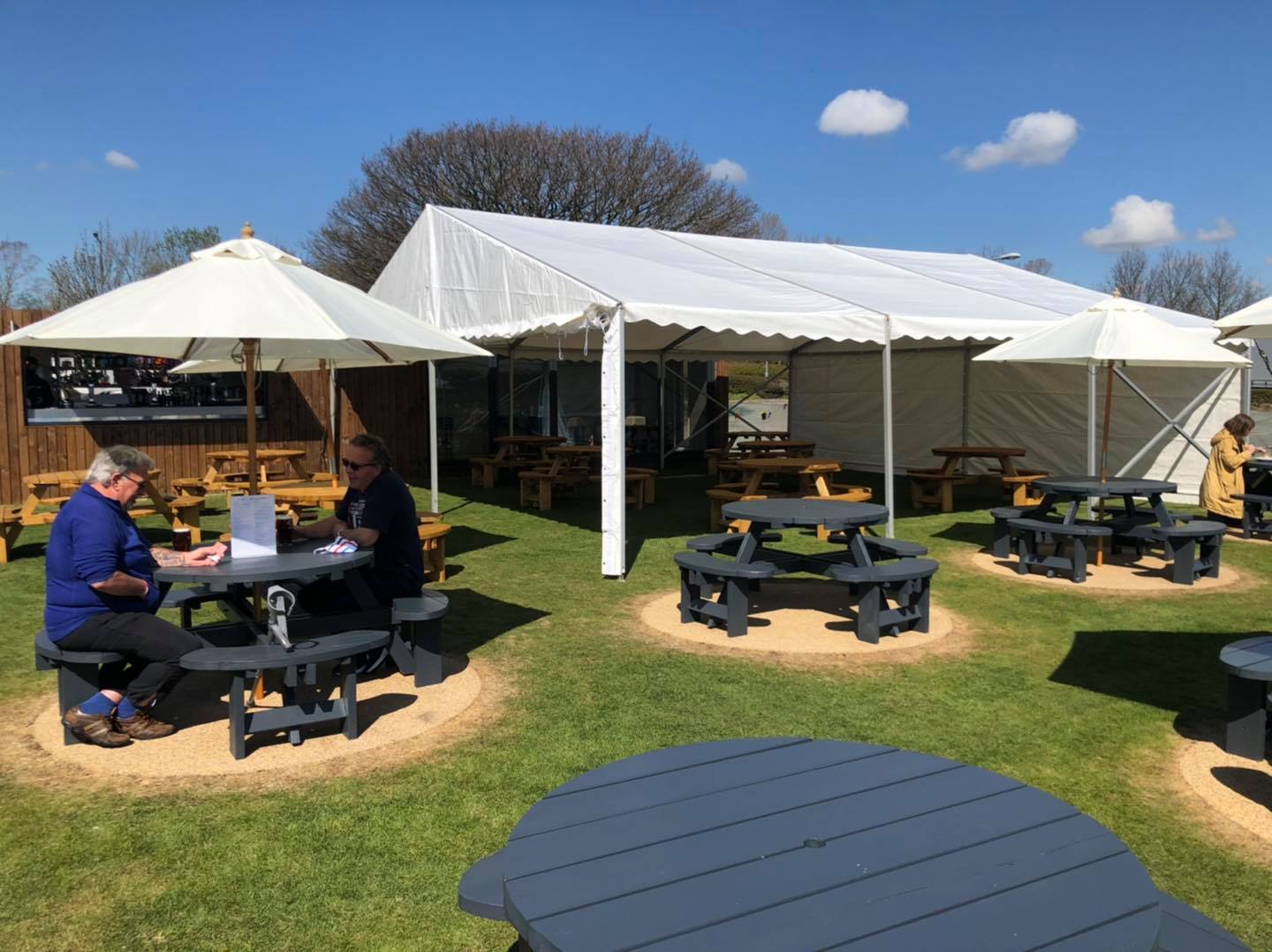
A tent hire business can be genuinely profitable, and its biggest advantage is that the same structures earn their keep over and over. You buy a structure once and hire it out across hundreds of events across its lifespan, so the return on each piece of kit compounds the longer you run. The trade is seasonal (spring and summer carry the weddings, festivals and garden parties, while autumn and winter lean on corporate events, Christmas functions and indoor-overflow work), so the operators who do best plan their cashflow around the calendar and build a mix of work that keeps the fleet busy beyond the summer peak.
The honest caveats: it's physical work, it's weather-exposed, and your reputation lives and dies on reliability, because an event has a fixed date and no second chances. Operators who treat setup quality, punctuality and presentation as non-negotiable are the ones who get the repeat bookings and the word-of-mouth that make the business sustainable.
How a Tent Hire Business Makes Money
Your revenue is simple enough, a hire fee per structure per event, often with delivery, setup and takedown built in or charged on top. Your profit, though, comes down to two levers: how often each structure is out earning (utilisation), and how much crew time each job swallows. The first you grow with marketing and repeat custom. The second you control with the kit you choose.
This is where the equipment decision becomes a business decision. A traditional 4m x 10m marquee can tie up a team of seven for around two hours at each end of a job. A 4m x 10m Pro 60 gazebo covers the same footprint with a team of four in about fifteen minutes. Run the maths across a busy Saturday and the fast-pitching fleet lets a smaller crew complete several jobs in the time a marquee crew completes one, with a fraction of the wage bill on each. Crew time is the largest controllable cost in this business, so the structures you buy shape your margins for years.
The Equipment You Need to Start
Your fleet is the heart of the business, and the smart move when starting is to buy kit that earns quickly and demands little labour. Browse the full professional range on the tent hire equipment hub, and build your starter fleet around these principles.
Start Lean with Pop-Up Structures
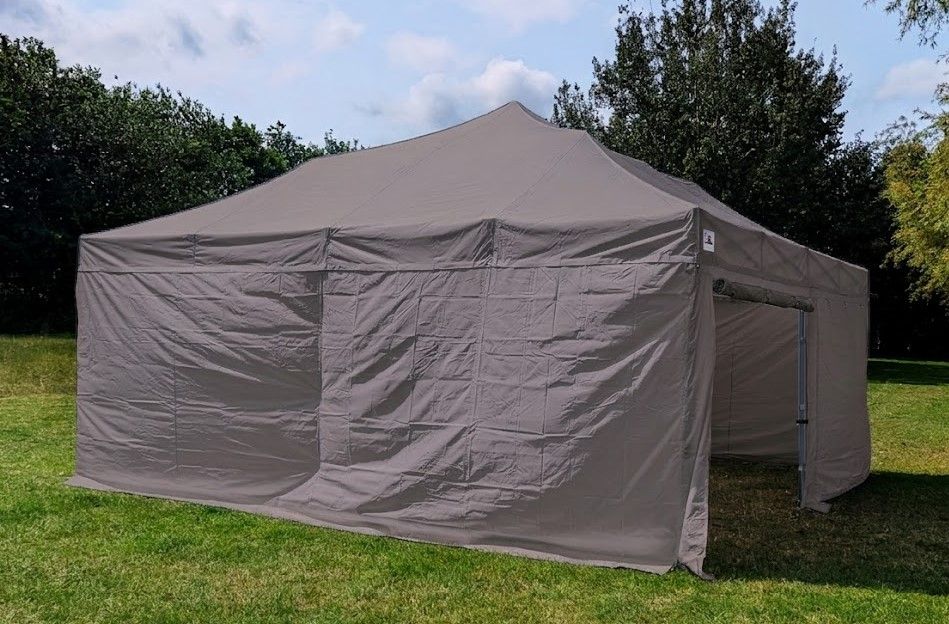
Pop-up gazebos and marquees let a two or three-person startup take on jobs that would otherwise need a marquee crew, which keeps your early wage costs near zero while you build a customer base. The Vantage 6m x 6m Pop-Up Marquee and the 4m x 10m Pro 60 gazebo are Gala Tent exclusives, both built on a 60mm frame (the strongest profile on the market, where everyone else tops out at 50mm) which matters when kit is going up and down several times a week across years of hire. Both link with smaller frames (the Pro 60 with 4m x 6m and 4m x 8m units, the Vantage with 3m x 3m and 3m x 6m), so you can quote for marquee-scale coverage while keeping pop-up setup speed.
Scale Up with Fusion and Party Tents
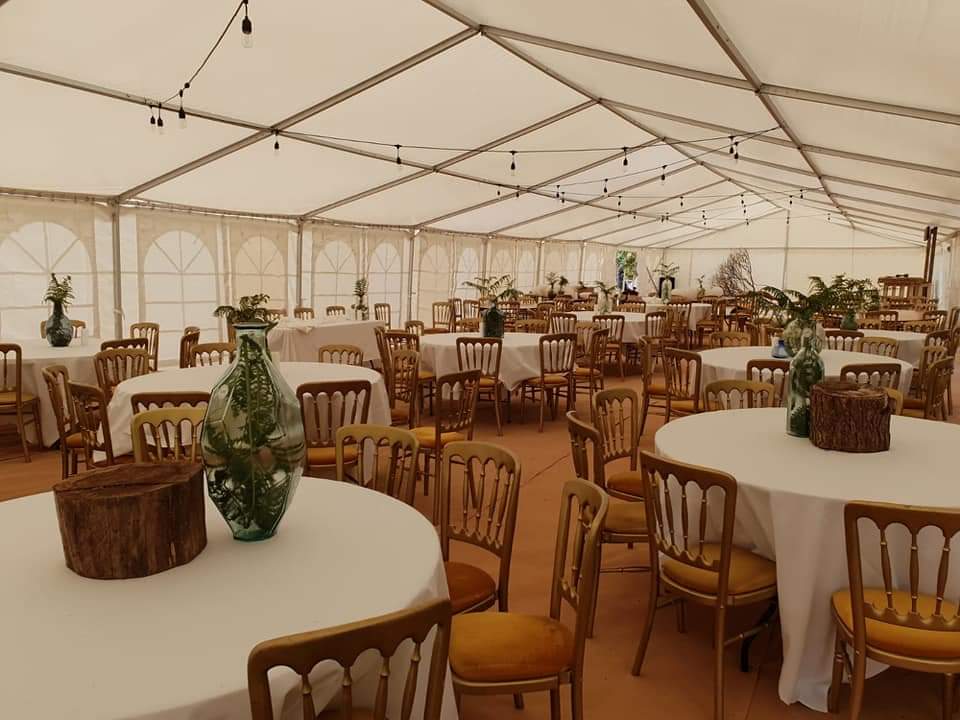
As you grow into larger contracts, Fusion modular marquees give you the clearspan, extendable structures that festivals, big weddings and corporate expos call for. At the other end, 4m x 6m and 4m x 8m party tents are an affordable way to serve the private garden-party market without overcommitting your budget. A fleet that spans both ends takes you from a back-garden birthday to a 300-guest wedding.
The Extras That Make a Fleet Work
Beyond the structures themselves, budget for anchoring weights and ground fixings, connector kits for linking structures, sidewalls for weatherproofing, and lighting and flooring if you want to offer a fuller package. You'll also need reliable transport (a van sized to your largest regular load) and dry, secure storage that keeps your kit in lettable condition between jobs. Our marquee capacity guide is a useful reference for matching structures to guest numbers when you're advising customers.
What It Costs to Start
Startup costs vary widely with the scale you're aiming for, so you'd need to do your own sums against your local market and ambitions.
A lean, pop-up-led startup can begin with a relatively modest kit investment of a few structures, weights and connectors, then reinvest profits into a wider fleet. A full marquee operation with transport and a broad range of sizes runs to a far larger upfront figure. Across either route, plan for these cost categories: your structures and accessories, a suitable vehicle, secure storage, public liability insurance, business registration, and a marketing budget to win those first bookings. Many operators start part-time around existing work and scale the fleet as demand proves itself, which keeps the early risk manageable.
Legal, Insurance and Safety
Get the groundwork right before you take your first booking, because the events trade carries real liability. Register your business with HMRC as a sole trader or set up a limited company, and check current requirements at GOV.UK. Public liability insurance is the baseline cover hirers carry (a structure failing at a crowded event is exactly the scenario it exists for) and many venues and corporate clients will ask to see your certificate before they'll book you.
Safety is part of the service you sell. Carry out and document risk assessments for your structures, follow manufacturer guidance on anchoring and wind limits, and know when an event's scale brings in additional fire-safety or temporary-structure requirements. The Health and Safety Executive publishes guidance on event and temporary-structure safety, and for larger or public events you may need to coordinate with the organiser's safety planning. Clear written hire terms (covering deposits, damage, cancellation and weather) protect both you and your customer, and mark you out as a professional from the first enquiry.
Pricing Your Hires
Price on the value of the covered space and the service around it, not just the structure. Research what established hirers in your area charge for comparable sizes, then set day and weekend rates that reflect your kit quality, your reliability and whether delivery and setup are included. Packages (a structure with flooring, lighting and sidewalls bundled at a set price) are an easy way to lift the average value of each booking and simplify the customer's decision. Build deposits and clear damage terms into every quote, and review your rates each season as your reputation and demand grow.
Marketing Your Tent Hire Business
Most of your early bookings will come from being findable and trusted locally. The fundamentals are a Google Business Profile, a website that ranks for the searches your customers actually make, strong photography of your structures at real events, and reviews that prove you turn up and do the job well. Word of mouth compounds fast in this trade, because a marquee at a well-run wedding is seen by a hundred potential future customers.
For the full strategy (local SEO, the searches worth targeting, how to market to event organisers and trade customers, and the channels that bring the best return) read our dedicated guide on marketing a tent hire business.

Learn from Someone Who Has Built It: Event Industry Boss
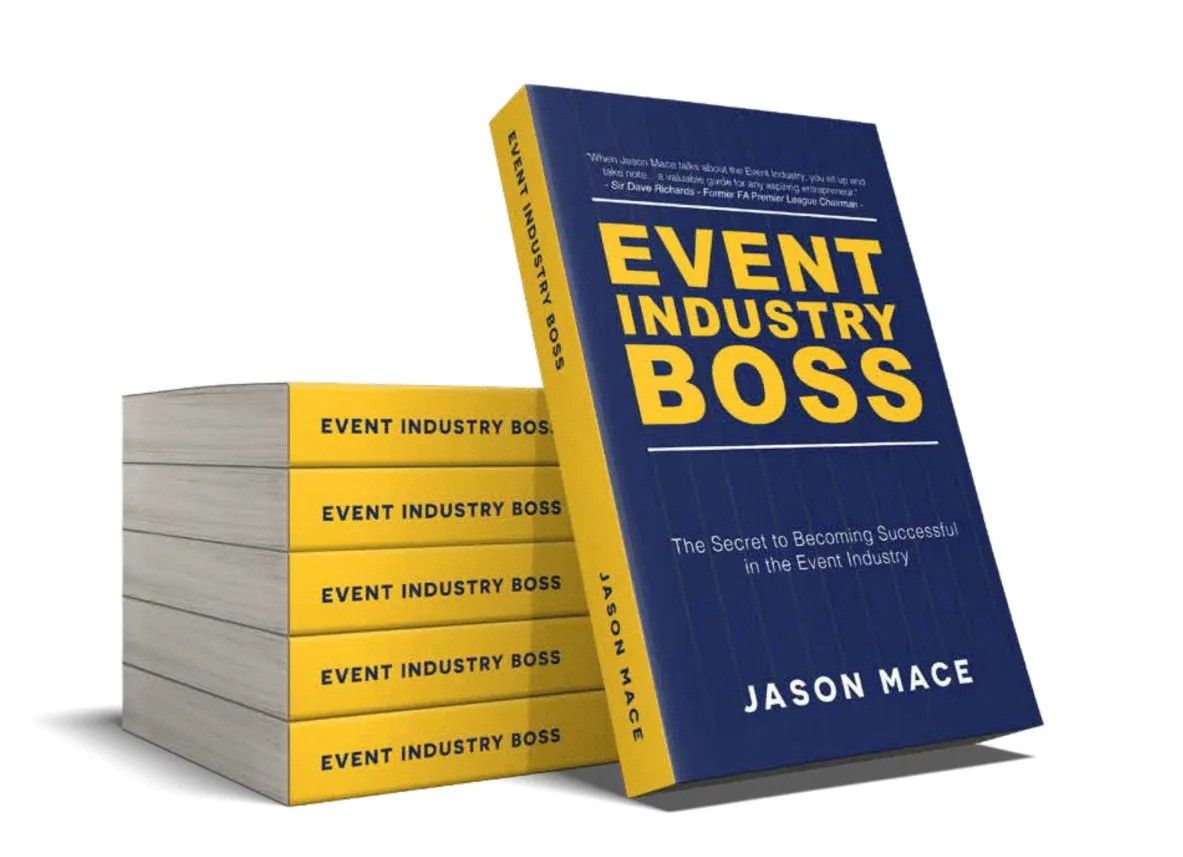
If you want the long view from someone who has built an events business from the ground up, Gala Tent founder Jason Mace has run the company since 1999 and shares what he has learned in his book, Event Industry Boss. It's a practical read on building and growing a business in the events and hire trade, drawn from decades of doing it rather than theory. You can find out more on the Event Industry Boss book page.
Partner with Gala Tent: The Professional's Choice
Hire firms across the UK build their fleets on Gala Tent kit, and for good reason: exclusive footprints and the 60mm frame nobody else supplies, structures engineered for the speed and durability commercial hire demands, and a team that understands the trade. If you're equipping or expanding a hire business, partner with the people who make the professional's kit.
Hiring out kit is one of twelve ways to earn from a gazebo, and the one that scales into an asset. Our guide to how to make money with a gazebo runs through the rest, from market trading to street food and paddock hospitality.
Frequently Asked Questions
How much does it cost to start a tent hire business?
Is a tent hire business profitable?
What equipment do I need to start a tent hire business?
Do I need insurance for a tent hire business?
How quickly can I start taking bookings?
Is tent hire seasonal?