How to Secure a Gazebo in High Winds
Proper anchoring is the difference between a stable gazebo and one damaged by strong winds
High winds are the number one reason gazebos collapse, lift, or become damaged outdoors. Even heavy-duty commercial gazebos can fail if they are not secured correctly.
The good news is that with the right anchoring methods, weights and tie-down equipment, you can safely secure a gazebo on:
- grass
- concrete
- tarmac
- patios
- hard standing surfaces
This guide explains:
- how to secure a gazebo in high winds
- how many gazebo weights you need
- the safest anchoring methods for different surfaces
- how to secure a gazebo on grass or concrete
- how to use ratchet straps correctly
- common mistakes that lead to gazebo damage
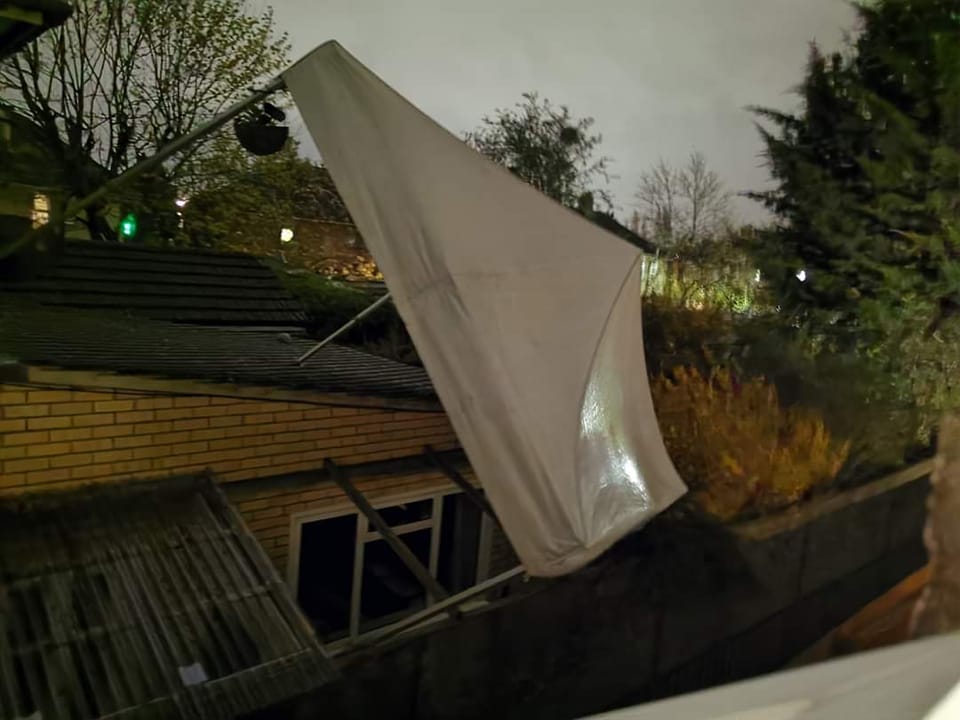
Why Wind is a Gazebo’s Biggest Threat
A gazebo acts like a sail. Once wind gets beneath the canopy, it creates powerful uplift that even heavy-duty frames can struggle against.
One strong gust can:
- bend gazebo legs
- damage joints
- tear canopy fabric
- pull the structure from the ground entirely
Beyond damaging your gazebo, unsecured shelters can also create serious safety risks for:
- guests
- traders
- event staff
- nearby vehicles or property
What Wind Speed Is Unsafe for a Gazebo?
As a general rule, gazebos should not be used in winds exceeding 30mph
Even professionally anchored commercial gazebos have limits.
Strong gusts can:
- twist frames
- loosen anchoring
- create dangerous uplift
- overload canopy fabric
If strong winds are forecast, the safest option is always to dismantle the gazebo completely.
For temporary event setups, weather awareness is just as important as the gazebo itself.
How Many Gazebo Weights Do You Need?
At minimum, every gazebo leg should be weighted or anchored
A good starting point is:
- one heavy-duty weight per leg
- additional anchoring for exposed locations
- double weights for larger gazebos or windy conditions
Larger gazebos, such as:
- 4m x 6m
- 4m x 8m
- 6m x 6m
typically require significantly more anchoring due to their increased surface area.
There is no such thing as too much anchoring when wind conditions become unpredictable.
How to Secure a Gazebo on Grass
Soft ground allows for stronger anchoring when used correctly
Grass and soil surfaces are usually the safest environments for gazebo anchoring because pegs and tie-downs can be driven directly into the ground.
Use Heavy-Duty Ground Pegs
Avoid lightweight tent pegs.
Instead:
- use thick steel pegs
- drive them into the ground at a 45-degree angle
- ensure they are deep enough to resist pull-out
Use Ratchet Straps or Guy Ropes
Attach straps from the upper frame corners down to the ground anchors.
Ratchet straps provide:
- tighter tension
- greater stability
- better wind resistance than basic ropes
Always angle straps outward rather than straight down.
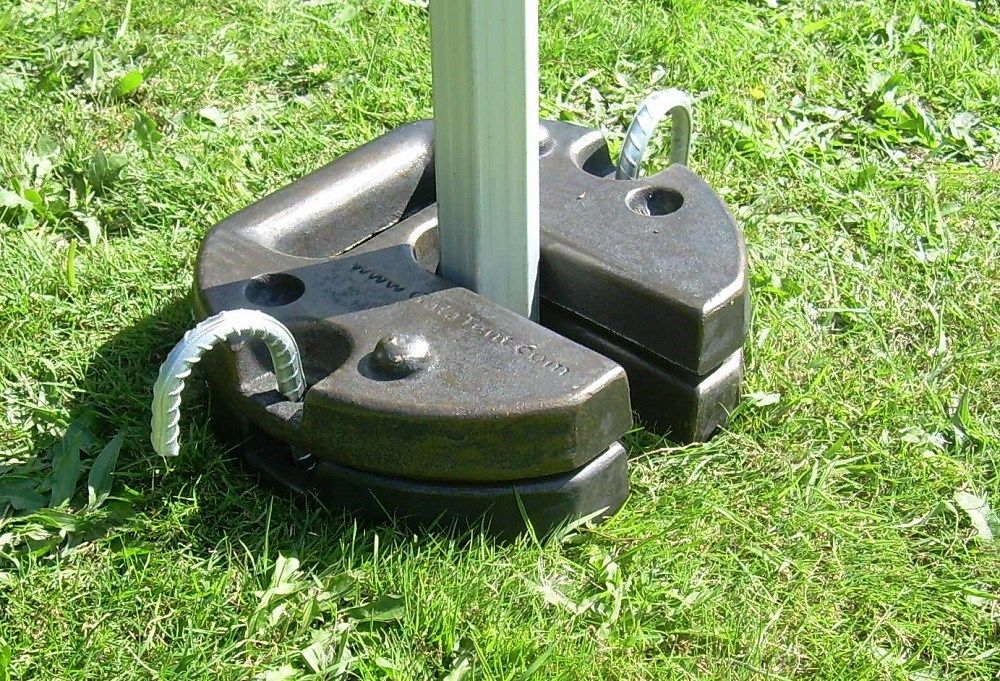
Add Leg Weights for Extra Stability
Even on grass, weights add valuable downward force.
Popular options include:
Check Anchors Throughout the Day
Wet ground softens over time, especially during prolonged rain.
Regularly inspect:
- pegs
- straps
- tension points
- leg movement
throughout your event or setup period.
How to Secure a Gazebo on Concrete or Tarmac
Hard surfaces require weight-based anchoring systems
Without the ability to use ground pegs, solid weighted anchoring becomes critical.
Use Cast Iron Gazebo Weights
Cast iron weights remain one of the safest and most reliable options for hard standing surfaces.
Benefits include:
- strong downward force
- compact design
- excellent stability
- quick installation
A minimum of one 13kg weight per leg is strongly recommended.
Water or Sand Weights
Water-filled weights are useful for:
- portable setups
- temporary events
- travelling traders
However, they should always be:
- fully filled
- securely attached
- checked regularly
Strap to Fixed Structures Where Possible
In exposed locations, additional ratchet straps can sometimes be attached to:
- railings
- fixed posts
- fencing
- structural anchor points
Where straps contact walls or metalwork, use padding to prevent friction damage.
Never Rely on Ropes Alone
On concrete or tarmac, ropes without weighted anchoring provide very little protection against uplift.
Always combine straps with proper weighted feet.
How to Use a Ratchet Strap Properly
Correct tensioning dramatically improves gazebo stability
- Thread the strap through the ratchet spool
- Pull the slack through manually
- Tighten gradually using the ratchet handle
- Apply firm tension without overtightening
- Lock the ratchet handle into place
Check straps regularly throughout use, as movement and fabric flex can slightly loosen tension over time.
Pro Tip
Always keep spare ratchet straps in your gazebo kit.
They:
- take up very little space
- cost very little
- can save a gazebo during sudden weather changes
Preventative Measures Before High Winds Arrive
Lower the Gazebo Height
Reducing leg height lowers the centre of gravity and reduces wind uplift.
Even one height setting can make a noticeable difference.
Remove Sidewalls During Strong Gusts
Sidewalls dramatically increase wind resistance.
In exposed conditions, removing sidewalls often improves stability.
Join Multiple Gazebos Correctly
If connecting gazebos together:
- use gutter kits
- use joining clamps
- avoid leaving wind tunnels between structures
Never Leave a Gazebo Unattended
Changing weather conditions can quickly become dangerous.
If strong winds develop unexpectedly, dismantling the gazebo is often the safest decision.
Recommended Gazebo Anchoring Equipment
For maximum stability in windy conditions, consider combining:
- cast iron gazebo weights
- ratchet tie-down kits
- heavy-duty pegs
- water weights
- ground bars
- reinforced sidewalls
These accessories significantly improve stability and reduce stress on the frame.
Proper Gazebo Anchoring Prevents Damage and Injury
Securing a gazebo properly protects:
- your equipment
- your customers
- your event
- your investment
Whether you’re setting up on:
- grass
- concrete
- tarmac
- patios
- event grounds
the principles remain the same:
- anchor every leg
- use proper equipment
- never underestimate wind conditions
With the correct setup, a heavy-duty gazebo can provide years of safe and reliable outdoor use.
Frequently Asked Questions
Can a gazebo really blow away in strong winds?
How do you secure a gazebo on concrete?
How do you secure a gazebo on grass?
What are the best gazebo weights?
Should sidewalls be removed in windy weather?
How much wind can a gazebo handle?