Essential Equipment for Street Food Businesses
Most street food businesses require a trading shelter or catering vehicle, commercial cooking equipment and table surfaces, refrigeration, food storage, hygiene facilities, payment systems and clear branding. The exact setup depends on your menu and trading style, but investing in reliable equipment from the outset can improve efficiency, food safety and profitability.
Running a successful street food business takes more than a great recipe. The equipment you choose affects everything from service speed and food quality to customer experience and operational costs.
Whether you're launching your first market stall or preparing for a busy festival season, this guide covers the essential equipment every street food business should consider.
Choosing Your Trading Setup
The first major decision most traders make is how they will operate. For many businesses, the choice comes down to a catering van or a gazebo-based setup.
Catering Vans
A catering van provides a self-contained workspace with cooking equipment, storage and serving facilities built into a single unit.
Advantages
- All-in-one setup
- Reduced daily setup time
- Suitable for fixed trading locations
- Professional appearance
Considerations
- Higher purchase costs
- Ongoing maintenance expenses
- Fuel and insurance costs
- Parking and access restrictions at some events
Catering vans are often best suited to established operators with a regular trading schedule and a clearly defined menu.
Pop-Up Gazebos
Commercial gazebos remain one of the most popular options for street food businesses thanks to their flexibility and relatively low start-up costs.
Advantages
- Lower initial investment
- Quick setup and transportation
- Flexible layouts
- Easy branding opportunities
- Suitable for markets, festivals and private events
Considerations
- Equipment must be transported separately
- Longer setup and pack-down times
- Additional storage solutions may be required
Many traders begin with a gazebo before investing in larger catering setups as their business grows.
Which Gazebo Is Right for Your Business?
Pro 40
Suitable for occasional trading, local markets and businesses looking for a lightweight commercial shelter. Explore the Pro 40.
Pro 50
A popular choice for regular traders attending markets and food festivals throughout the year. Explore the Pro 50.
Pro 60
Designed for high-frequency event traders who require maximum durability and long-term performance. Learn more about the Pro 60.
Essential Cooking Equipment
The exact equipment required depends on your menu, but most traders need a combination of cooking, preparation and holding equipment.
Universal Equipment
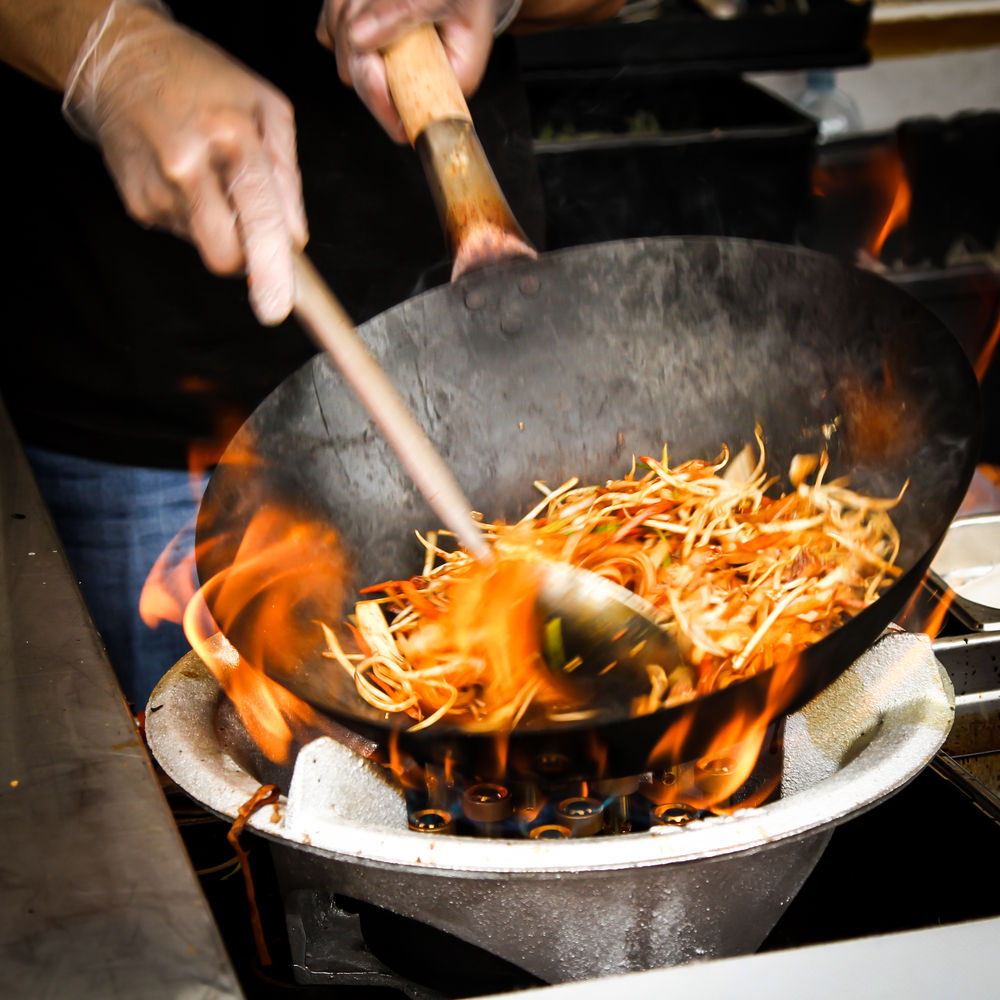
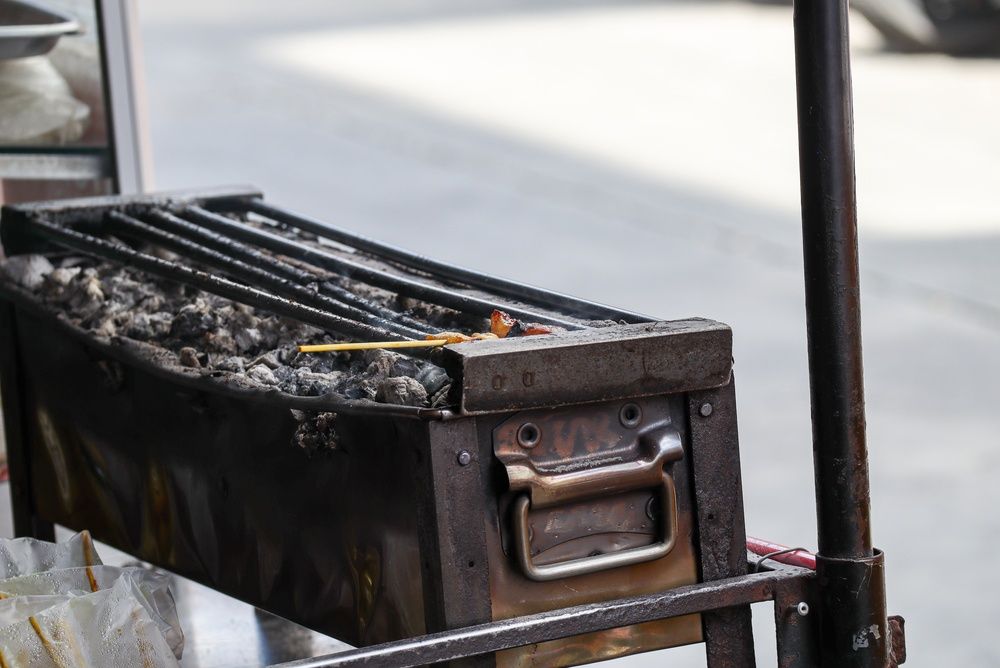
Portable Stoves and Grills
Ideal for burgers, stir-fries, wraps, breakfast foods and many other street food favourites.
Deep Fryers
Suitable for chips, loaded fries, doughnuts, tempura and other fried products.
Food Warmers
Help maintain safe serving temperatures during busy trading periods.
Preparation Equipment
Knives, chopping boards, utensils and food preparation containers remain essential regardless of cuisine.
Specialised Equipment
Some businesses require more specialist equipment.
Examples include:
- Espresso machines
- Crêpe makers
- Waffle irons
- Pizza ovens
- Smokers
- Soup kettles
- Paella pans
When purchasing equipment, commercial-grade products are usually worth the investment due to their durability and performance.
Refrigeration and Food Storage
Food safety should always be a priority.
Refrigeration
Portable refrigeration units help maintain safe temperatures for meat, dairy products and other perishable ingredients.
Look for units that are:
- Easy to transport
- Energy efficient
- Suitable for outdoor use
- Compatible with your power source
Dry Storage
Airtight containers help protect ingredients from moisture, pests and contamination.
Organisation
Clear labelling and organised storage systems can improve efficiency and reduce waste during service.
Hygiene Equipment
Food hygiene requirements vary depending on your operation, but most businesses require:
Handwashing Facilities
Portable handwashing stations are commonly required by event organisers and local authorities.
Cleaning Supplies
Maintain a stock of:
- Surface sanitiser
- Antibacterial wipes
- Disposable gloves
- Paper towels
- Cleaning cloths
Waste Management
Clearly organised waste and recycling facilities help maintain a professional appearance and support environmental initiatives.
Power and Utilities
Many new traders underestimate the importance of power planning.
Depending on your equipment, you may need:
Generators
Useful for events without reliable power access.
Battery Systems
Increasingly popular for smaller operations and environmentally conscious businesses.
LPG Gas Systems
Often used for grills, fryers and cooking equipment.
Extension Leads and Distribution Equipment
Commercial-grade cables and power distribution systems help ensure safe operation at events.
Always check event requirements before arriving on site.
Payment Systems
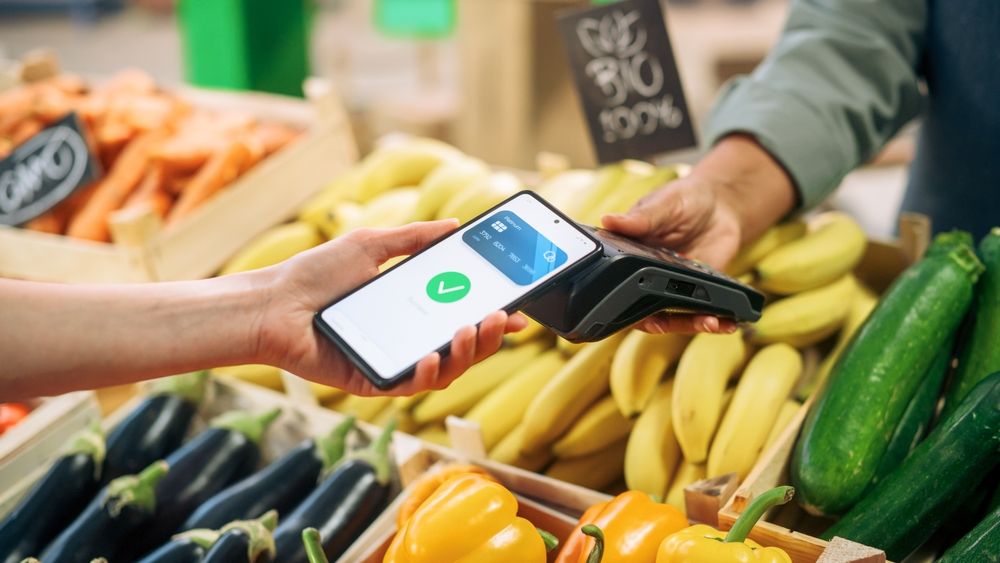
Modern customers expect multiple payment options, and many now carry little or no cash. Having a reliable payment system can improve customer experience, reduce abandoned sales and speed up service during busy trading periods.
Card Readers
Portable card readers remain one of the most popular options for street food businesses thanks to their simplicity and low barrier to entry. These systems are quick to set up and well suited to smaller operators attending markets and local events.
Pay-by-Link Solutions
As businesses grow, many begin looking for alternatives that offer greater flexibility and potentially lower transaction costs.
Pay-by-link systems allow traders to send secure payment requests directly to customers via SMS, email or QR code. This can be particularly useful for catering deposits, pre-orders, corporate bookings and private events.
Solutions such as SOTpay provide secure remote payment capabilities while helping businesses maintain a professional customer experience.
Cash Payments
While cash usage continues to decline, many traders still carry a small float for convenience and to accommodate customers who prefer traditional payment methods.
A combination of cash and digital payment options often provides the greatest flexibility for growing street food businesses.
Branding and Presentation
Street food is a highly visual industry.
Customers often make purchasing decisions before they even reach your stall.
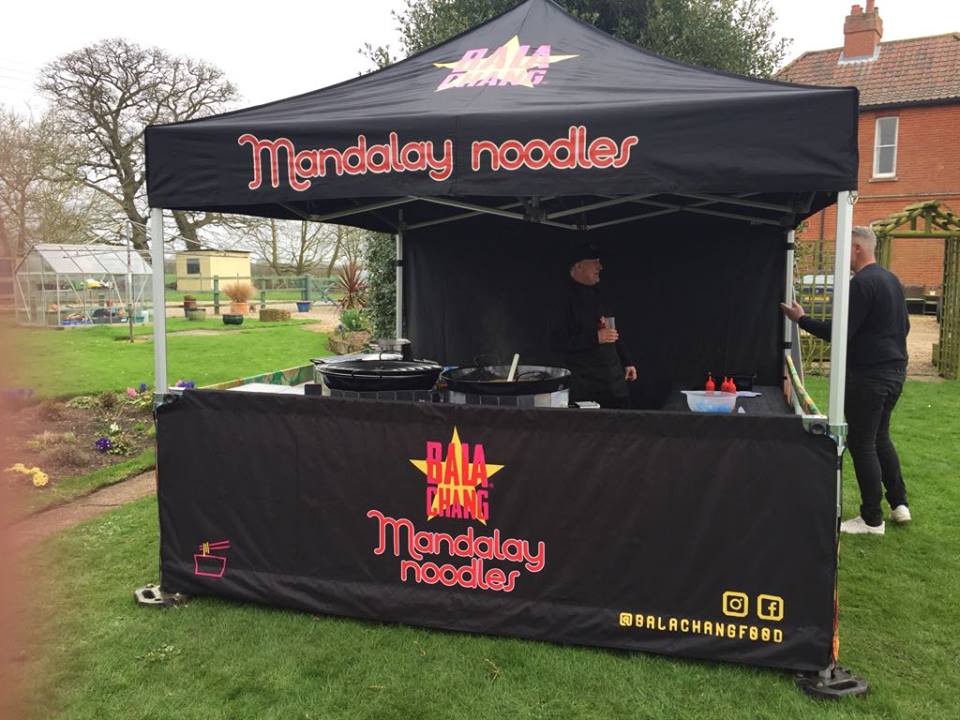
Printed Gazebos
A professionally branded gazebo can improve visibility and help create a memorable first impression, particularly helping with the long term marketing goals of your street food business.
Flags and Banners
Additional branding helps attract attention in busy event environments.
Menu Displays
Clear menus reduce customer hesitation and improve service speed.
Lighting
LED lighting can help your business stand out during evening trading sessions and festivals.
Frequently Asked Questions
What equipment do I need to start a street food business?
Is a gazebo or catering van better for street food?
What size gazebo is best for street food trading?
Do I need refrigeration at every event?
How much should I budget for equipment?
What is the most important investment for a new street food business?