Marketing Your Street Food Business
Marketing a street food business involves building a recognisable brand, creating engaging social media content, attending the right events, encouraging customer recommendations and maintaining a consistent presence both online and offline. The most successful traders combine great food with effective marketing to build loyal audiences and increase repeat business.
Great food is the foundation of every successful street food business, but marketing is what helps customers discover you in the first place.
Whether you're trading at local markets, food festivals, corporate events or private functions, a strong marketing strategy can help attract new customers, generate repeat business and establish your reputation within the industry.
This guide explores the most effective ways to market a street food business in today's competitive marketplace.

Build a Strong Brand First
Before investing in marketing, it's important to create a recognisable identity.
Customers are more likely to remember businesses that look professional and consistent across every touchpoint. Your branding should help people recognise your business whether they encounter it online, at an event or through word of mouth.
A strong brand typically includes:
- A memorable business name
- Consistent colours and design
- Professional signage
- A recognisable logo
- Clear messaging
- Branded equipment and clothing
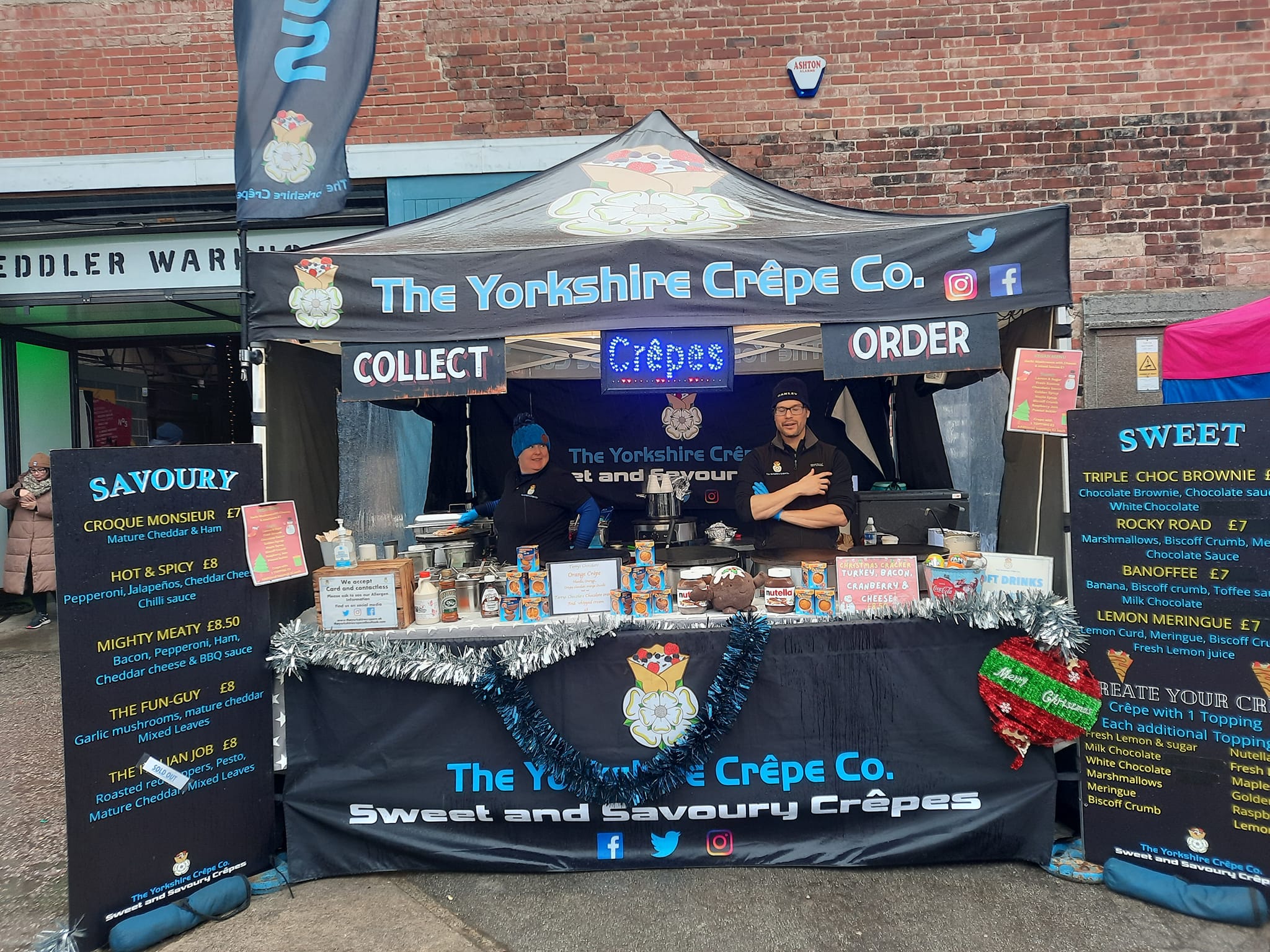
Street food is a highly visual industry. A professionally branded gazebo, vehicle or serving area can help customers identify your business from a distance and create a strong first impression. Read more about how to brand your street food stall in the guide.
Social Media Marketing
For many street food businesses, social media is the most powerful marketing tool available.
Customers often discover traders through Instagram, TikTok, Facebook and event-related content before they ever visit a stall. Consistent social media activity can help build awareness, generate anticipation and encourage repeat visits.
Share Your Food
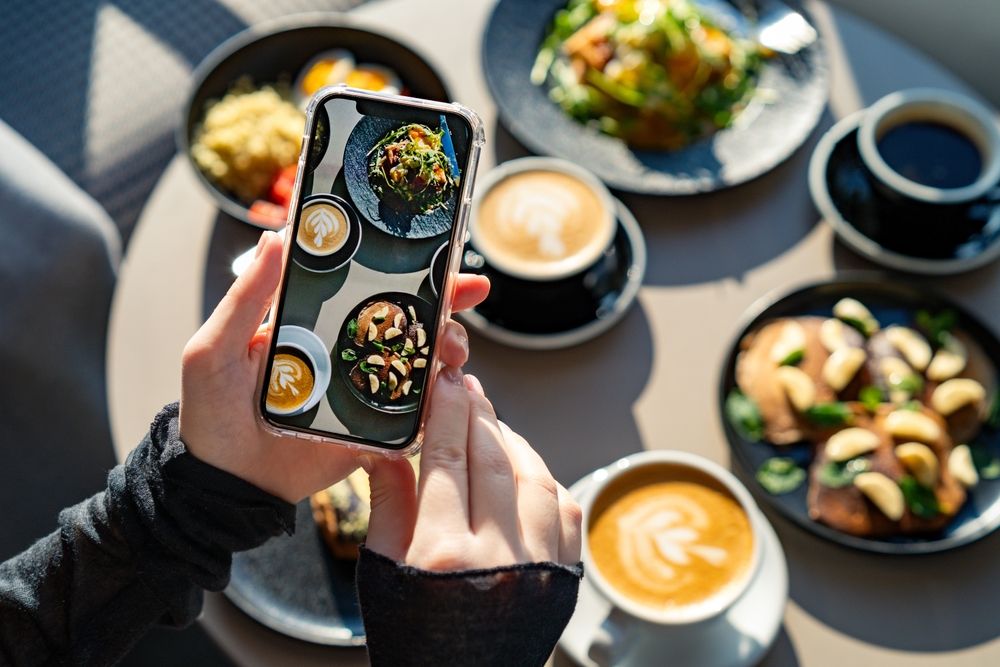
High-quality food photography remains one of the easiest ways to attract attention online.
Popular content includes:
- Signature dishes
- New menu launches
- Behind-the-scenes preparation
- Customer reactions
- Event highlights
- Seasonal specials
Food is naturally visual. If your dishes look great on camera, they can become powerful marketing assets.
Show The People Behind The Business
Customers often connect with personalities as much as products.
Introducing your team from beneath your street food gazebo, sharing your story and documenting your journey helps build trust and makes your business feel more human.
People like supporting independent businesses. Showing the effort, passion and personality behind your food can create stronger customer relationships.
Use Short-Form Video
Platforms such as TikTok, Instagram Reels and YouTube Shorts continue to perform exceptionally well for food businesses.
Content ideas include:
- Food preparation
- Cooking demonstrations
- Event setups
- Customer queues
- New menu launches
- Behind-the-scenes footage
Authenticity often performs better than highly polished content. Customers enjoy seeing the people behind the business, the preparation that goes into each dish and the atmosphere surrounding events.
Some of the UK's most recognisable street food brands have built huge audiences through consistent short-form content. Businesses such as Spud Bros have demonstrated how powerful simple, feel-good videos can be. By showcasing customer interactions, generous portions, behind-the-scenes moments and the personalities behind the brand, they have generated millions of views and built a following that actively seeks them out at events and trading locations.
The same approach works for new, independent traders. Lib-icious Bakes started out with a few craft fairs in 2025 and now trades at markets and pop-ups across South East London and Kent. Libby's TikTok following has passed 10,000, some of her videos have been viewed millions of times, and a single post regularly brings 50 or more people to her stall. Her story shows how quickly a young business can build a loyal following with consistent, personal social content. See Libby's market stall setup.
For many modern street food businesses, social media has become one of the primary ways customers discover new traders, decide where to eat and stay engaged between events.
Optimise Your Local Visibility
Many customers search for food options while attending events or visiting unfamiliar locations.
Improving local visibility can help capture these opportunities.
Create a Google Business Profile
A Google Business Profile can help customers discover your business through local searches, reviews and maps.
If you operate from a regular location, attend recurring markets or offer catering services, maintaining an accurate profile can generate valuable enquiries.
Collect Reviews
Positive reviews help build credibility and encourage new customers to try your food.
Ask satisfied customers to leave reviews after events, festivals and private catering jobs.
Reviews also provide useful social proof for future customers.
Maintain Consistent Business Information
Ensure your website, social media profiles and event listings all contain accurate contact information, branding and business details.
Consistency helps customers find and trust your business.
Use Events As Marketing Opportunities
Many traders focus exclusively on sales during events.
The most successful businesses also use events to market themselves.
Every customer interaction is an opportunity to:
- Build awareness
- Gain followers
- Collect reviews
- Generate repeat business
- Secure future bookings
Capture Customer Content
Encourage customers to tag your business on social media when sharing photos and videos.
User-generated content can significantly increase your reach without any advertising spend.
Create Memorable Experiences
People remember experiences more than transactions.
Simple ideas can make a lasting impression:
- Signature menu items
- Branded serving materials
- Unique presentation
- Sampling opportunities
- Interactive experiences
The goal is to give customers something worth talking about and sharing.
Email Marketing
Email remains one of the most effective marketing channels available.
Unlike social media, you own your audience and can communicate directly with customers without relying on platform algorithms.
Useful email content includes:
- Upcoming events
- New menu launches
- Seasonal specials
- Exclusive offers
- Catering announcements
- Loyalty incentives
Over time, a well-maintained email list becomes one of the most valuable assets your business owns.
Paid Advertising
Organic marketing should always be your foundation, but paid advertising can help accelerate growth.
Social Media Advertising
Facebook and Instagram advertising allow traders to target specific audiences based on:
- Location
- Age
- Interests
- Behaviour
- Event attendance
This can be particularly effective before major festivals, product launches or seasonal campaigns.
Google Advertising
Location-based Google Ads can help attract customers searching for:
- Street food near me
- Catering services
- Food vendors
- Event catering
- Festival food
Paid advertising tends to perform best when combined with strong branding and an active social media presence.

Partnerships and Collaborations
Working with other businesses can introduce your brand to entirely new audiences.
Consider collaborating with:
- Breweries
- Event organisers
- Local businesses
- Influencers
- Other food vendors
Partnerships can provide exposure that would be difficult or expensive to achieve independently.
Measure What Works
Effective marketing relies on data rather than assumptions.
Track:
- Social media engagement
- Website traffic
- Customer numbers
- Event performance
- Email open rates
- Advertising results
Over time, these insights help identify which activities generate the greatest return on investment.
The most successful street food businesses continually refine their marketing based on evidence rather than guesswork.
Frequently Asked Questions
What is the best way to market a street food business?
Which social media platform works best for street food businesses?
Do street food businesses need a website?
Is paid advertising necessary?
How can I encourage repeat customers?
How important is branding for street food businesses?