



How to Start a Pop-Up Shop Without Permanent Premises
Footfall is strong, events are working and the question of a shop keeps coming up. Rent, rates and a long lease may not be the right next step.
A pop-up shop lets you trade face to face without rent, rates or a lease. Pick places where your customers already gather, get permission for each pitch, use a commercial-grade branded gazebo as your shopfront, fit it out with sidewalls, lighting, tables and a card reader, and keep the same look everywhere so customers recognise you. Test locations, track takings and go back to the ones that work.

Why Permanent Premises Are Not Always the Next Step
A shop brings visibility, along with rent, business rates, a long lease, a fit-out and utility bills. It ties you to one postcode and one set of opening hours, and the overheads keep running when footfall drops. For seasonal businesses, mobile traders, charities and event-led brands, that can add more pressure than progress.
The half-measures that hold businesses back
- Borrowing community halls
- Sharing space with other businesses
- Using a basic gazebo as a placeholder
- Treating events as side income
Each keeps costs down, yet the setup still feels temporary, the branding is inconsistent and customers do not know where to find you next. Growth stalls just as momentum builds.
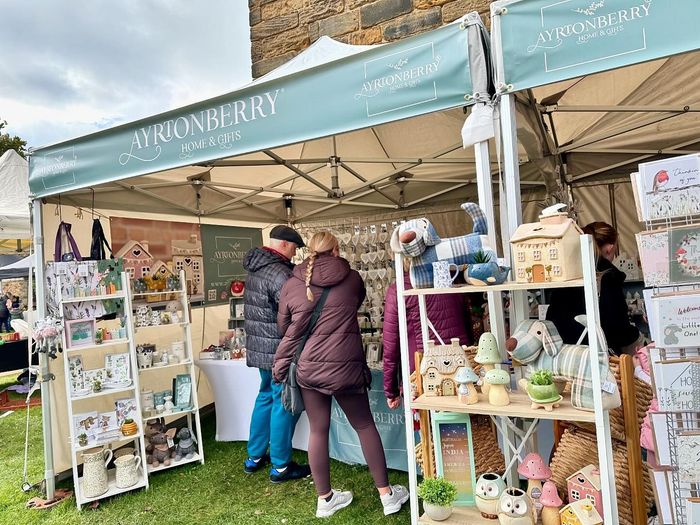
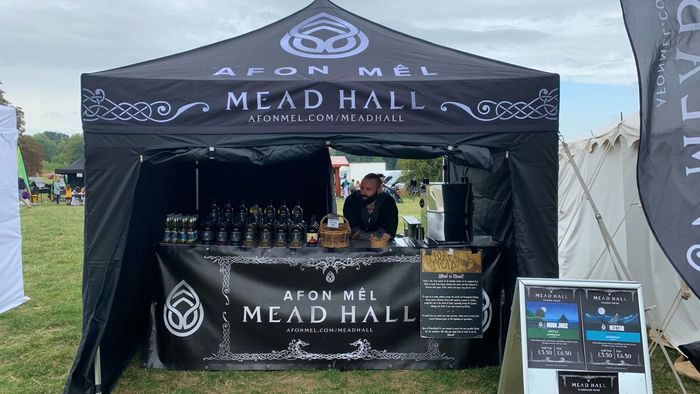
How to Start a Pop-Up Shop: 7 Steps
The right setup sits between temporary and permanent: a professional, branded presence you can take wherever demand is.
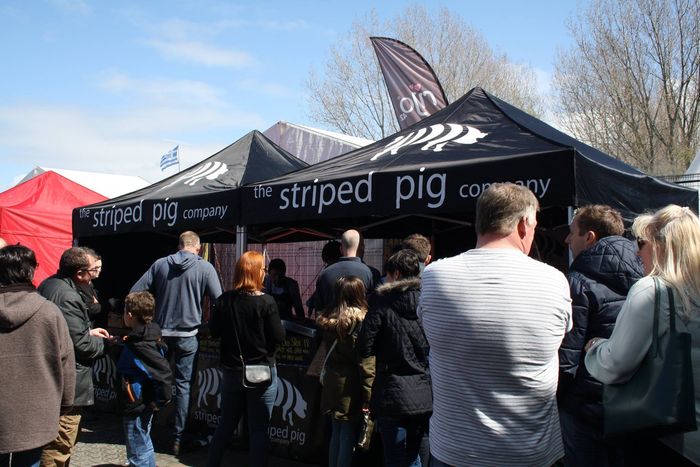
Go where your customers already are
Markets, events, festivals, hospitality venues, car parks, campuses and community spaces all draw footfall you do not have to create. Pick the places your customers already visit.
Get permission for every pitch
Council land usually needs a street trading licence or consent, private land needs the owner's permission, and events need a booking with the organiser. If you sell food, register with your local council at least 28 days before you start trading.
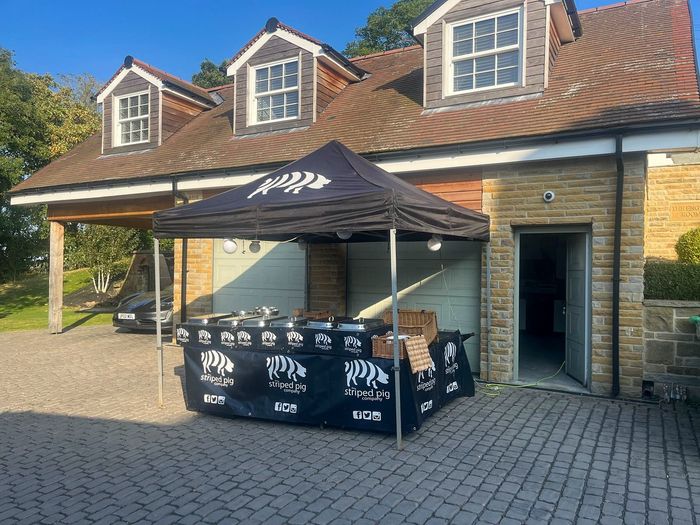
Make a branded gazebo your shopfront
A commercial-grade gazebo gives you structure, weather protection and authority. Print it with your brand so customers know who you are before you speak, and the space feels like a shop from the first glance.
Fit it out like a shop
Fitted sidewalls and doors give enclosure and control, lighting lets you trade into the evening and through winter, and a sturdy trade table gives you a proper counter. Weight every leg.
Take card payments and keep in touch
A card reader opens up sales to customers without cash. Put your social handles or a QR code on your signage so customers can find out where you will be next.
Keep the same look everywhere
Same branding, same layout, same quality wherever you trade. Customers find the experience reliable even when the location changes.
Test, measure and go back to what works
Track takings at each location, return to the best and drop the rest. Every pitch is a low-risk test, so you can scale up or down with demand.
What Changes Without Fixed-Location Pressure
Free from rent and rates, decisions get easier. You can trial new events with little risk, scale with demand and put money into stock and marketing. Every decision is reversible, so each event becomes an opportunity to learn from.
When the time does come to open permanent premises, the gazebo keeps earning as a second sales channel at events and markets.
Looking for a business to run from one? See our 12 ways to make money with a gazebo.
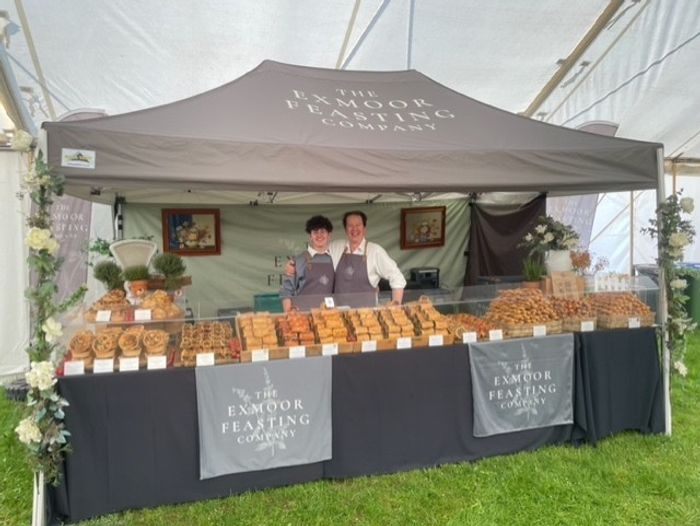
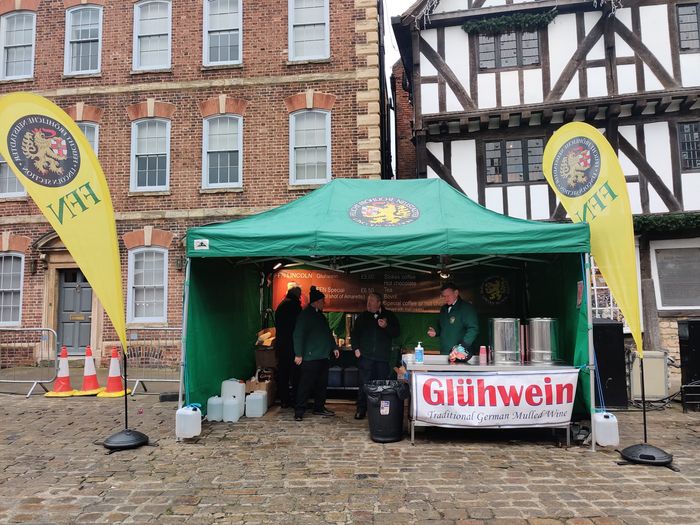
Who This Matters Most For
- Market traders growing beyond casual trading
- Street food businesses avoiding fixed kitchens
- Start-ups testing demand before committing
- Charities and community groups
- Event-led brands and pop-up retail concepts
If your business relies on presence more than postcode, a pop-up gives you room to grow.
Frequently Asked Questions
What is a pop-up shop?
How do I start a pop-up shop?
Do I need a licence for a pop-up shop?
How much does it cost to run a pop-up shop from a gazebo?
What size gazebo do I need for a pop-up shop?
Is a gazebo professional enough for a pop-up shop?
Take Your Shop to Your Customers
A well-configured Gala Tent gazebo gives your business a professional, branded presence wherever the opportunity is, without the cost, risk or commitment of a fixed location.


