



How to Prepare Your Stall for an Outdoor Fair or Event
Spring fair, summer fete or Christmas market, the traders who do well get the same things right before they arrive.
To prepare for an outdoor fair, confirm your pitch size and the organiser's rules, choose a gazebo that fits the pitch, pack sidewalls and weights for the weather, plan a layout that keeps customers sheltered and moving, and practise putting it up before the day. Arrive early, anchor every leg before you unpack and work from a checklist so nothing gets left behind.

Why Preparation Makes or Breaks a Fair
Outdoor fairs are busy and competitive. Visitors pass dozens of stalls, attractions and food vendors, and the weather can turn from sunshine to showers within an hour. Traders who arrive with the wrong size gazebo, no weights or a layout that leaves customers queuing in the rain lose sales to the stall next door.
A little preparation the week before covers almost all of it.
Events this works for
- Spring fairs
- Bank holiday fetes
- School and charity fairs
- Agricultural and county shows
- Food festivals
- Craft and makers' fairs
- Christmas markets
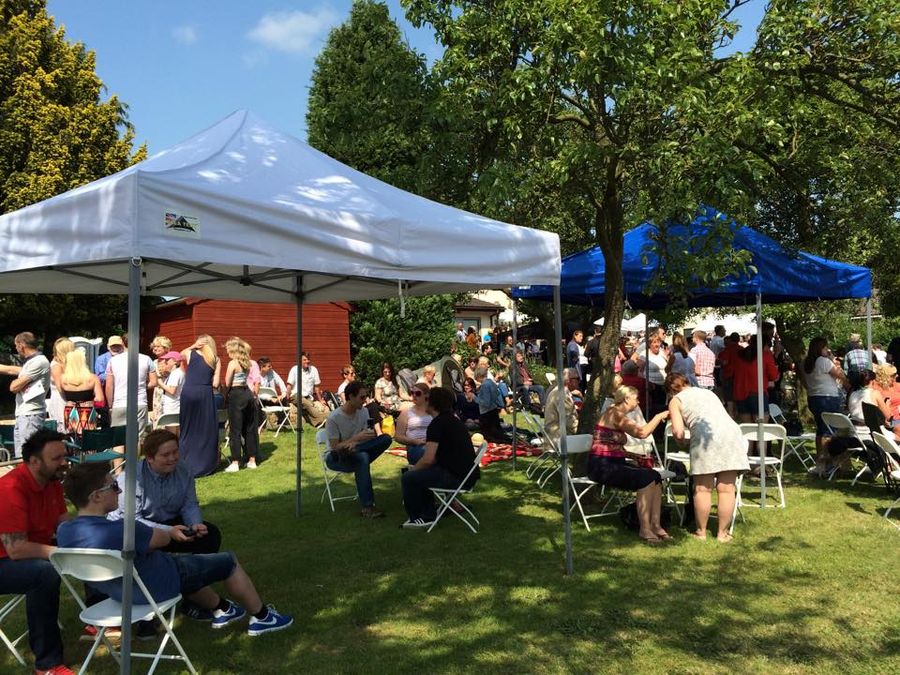
How to Prepare for an Outdoor Fair: 7 Steps
Work through these in the week before the event.
Check the pitch and the organiser's rules
Confirm the pitch size, whether you are on grass or hard standing, vehicle access times and whether power is available. Most organisers ask for public liability insurance, and food traders will need their council registration and any gas safety paperwork.
Choose a gazebo that fits the pitch
A 3m x 3m covers most standard pitches, while larger ranges or food stalls may need a 3m x 4.5m or 3m x 6m. If you trade at events regularly, a commercial-grade gazebo is built for weekly setup. Our gazebo size guide helps you check the fit.
Plan for the weather
Pack sidewalls for showers and wind, and use the canopy for shade on hot days. Wind is common on open fields, so plan your anchoring before the forecast forces it. See our guide to using a gazebo in bad weather.
Plan a layout that works for customers
Keep stock, catering equipment and payment systems under cover, and leave room for customers to browse and queue in the shade or out of the rain. A comfortable stall keeps people there for longer.
Brand the stall so people find you
A printed canopy and flags make you easy to spot across a busy field and easy to find again at the next event. Our guide on how to make your stall look professional covers the details.
Practise the setup before the day
Put the gazebo up at home, check every part is there and time it. Pop-up frames go up in minutes once you know them, which takes the pressure off an early-morning setup. Here is how to put up a gazebo.
Arrive early and anchor before you unpack
Get there at the start of the setup window, put the gazebo up and fit weights to every leg before any stock comes out of the van. Crowded fields and long trading days make a secure gazebo essential.
Outdoor Fair Checklist for Traders
Run through this before you load the van.
- Gazebo, sidewalls and spare parts
- Weights for every leg
- Tables and display stands
- Signage and price labels
- Card reader and cash float
- Stock and storage boxes
- Bags and packaging
- Insurance and registration documents
- First aid kit
- Fire extinguisher if you cook
- Water and snacks
- Rubbish bags
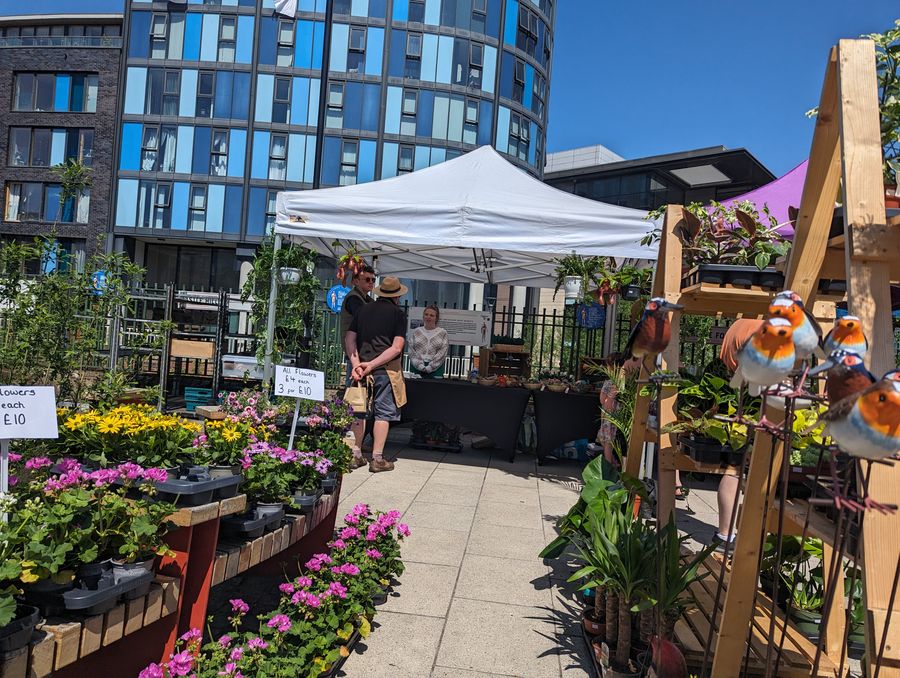
Who This Guide Is For
- Street food vendors
- Artisan sellers, with craft stall ideas to match
- Local businesses and farm shops
- Charities and schools running fundraising stalls
- Independent makers and market traders
For many traders, the gazebo is both the workspace and the shopfront for the whole day, so getting it right comes first.
Frequently Asked Questions
How do I prepare for an outdoor fair as a trader?
What should I take to a craft fair or outdoor event?
What size gazebo do I need for a fair?
Do gazebos need weights at outdoor fairs?
Do I need insurance to trade at a fair?
Are printed gazebos good for outdoor events?
Get Your Stall Ready for the Season
Reliable shelter, professional presentation and a fast setup make every fair easier. Talk to our UK team about the right gazebo, weights and branding for the events you trade at.


