Condensation in Marquees & Gazebos
Why It Happens and How to Reduce It
Condensation inside a marquee or gazebo is one of the most commonly misunderstood issues in temporary outdoor structures.
Many people assume moisture inside a marquee automatically means the structure is leaking. In reality, condensation is often completely natural and can occur even inside fully waterproof marquees.
Understanding what causes condensation, how to reduce it, and how to spot the difference between condensation and genuine water ingress can help protect your marquee, improve guest comfort, and avoid unnecessary concern during events.
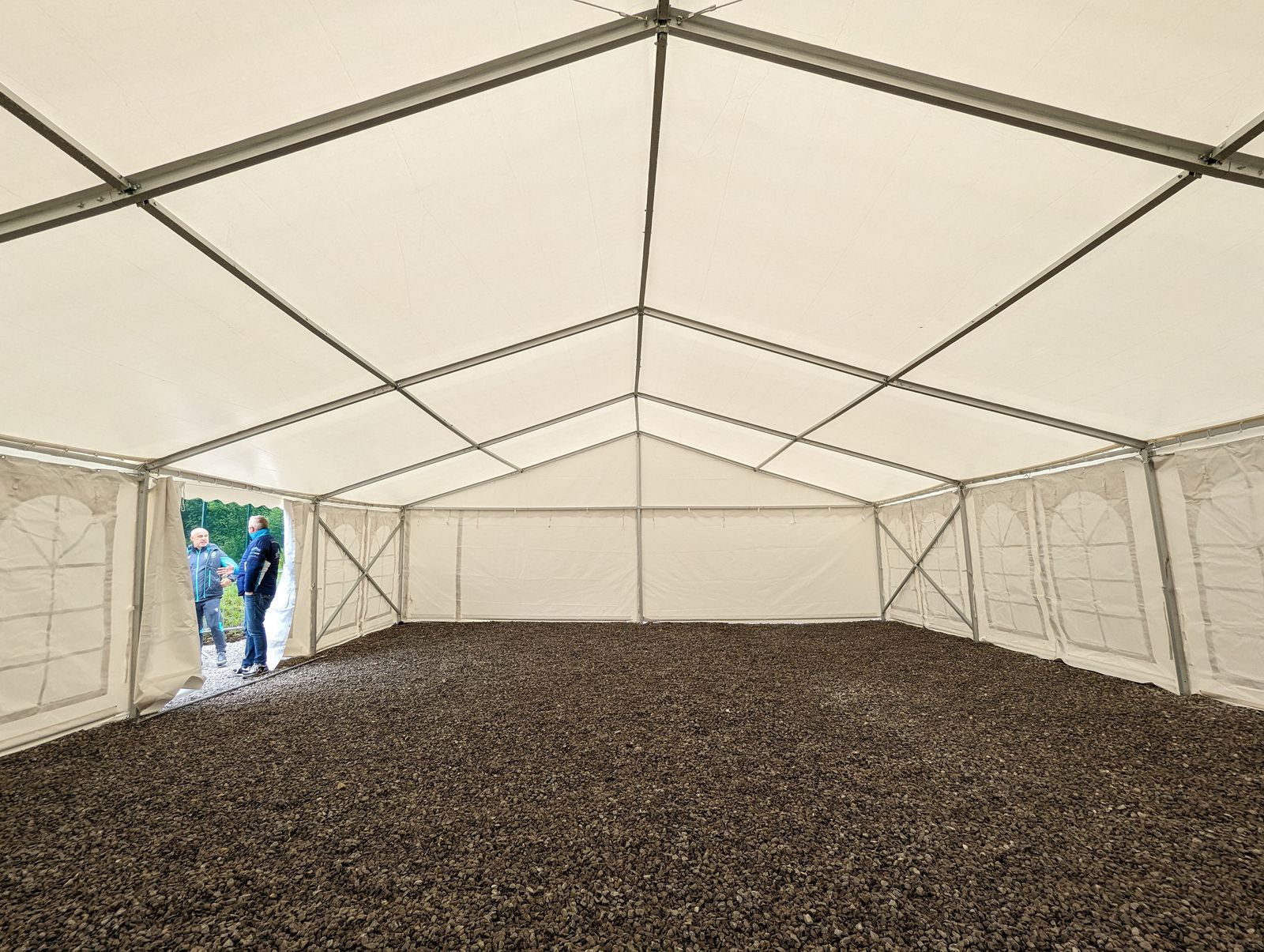
What Causes Condensation in a Marquee?
Condensation forms when warm, moisture-filled air comes into contact with colder surfaces.
Inside a marquee or gazebo, this usually happens when:
- the temperature inside the structure is warmer than outside
- moisture builds up in the air
- ventilation is limited
- cold external temperatures cool the roof or sidewalls
As the warm air cools, water vapour turns back into liquid and forms droplets on the inside of the structure.
This process is very similar to condensation forming on:
- windows
- patio doors
- conservatories
- vehicles
- commercial buildings
Even fully waterproof marquees can develop condensation under the right conditions.
Why Condensation Is Common in Marquees
Temporary structures naturally create enclosed environments where heat, moisture, and airflow constantly interact.
Several factors can increase condensation levels inside a marquee or gazebo.
Large Numbers of Guests
People generate significant moisture through:
- breathing
- body heat
- perspiration
- cooking
- hot drinks
- dancing and activity
The more people inside the structure, the more humidity builds within the enclosed space.
This is particularly common during:
- weddings
- parties
- hospitality events
- catering operations
- evening events during colder months
Temperature Differences
Condensation becomes much more noticeable when there is a large difference between indoor and outdoor temperatures.
For example:
- cold evening temperatures outside
- heating systems operating inside
- warm air trapped within enclosed sidewalls
This creates ideal conditions for moisture to form on colder marquee surfaces.
Ground Conditions
The surface underneath the marquee can also affect humidity levels.
Grass, damp soil, and recently wet ground naturally release moisture into the surrounding air. When enclosed by sidewalls, this moisture can become trapped inside the structure.
Marquees installed on:
- grass
- muddy surfaces
- wet ground
- riverside locations
- humid environments
are generally more prone to condensation.
Limited Airflow
Poor ventilation is one of the biggest causes of condensation build-up.
Without airflow, warm moist air remains trapped inside the structure and settles against colder surfaces for extended periods.
This increases the likelihood of visible moisture forming on:
- roof covers
- windows
- sidewalls
- framework sections
Condensation vs Water Leaks
One of the biggest misconceptions is confusing condensation with a leaking marquee.
In many cases, what appears to be a leak is actually moisture formed internally through temperature and humidity changes. If water appears evenly across the inside surface of the marquee roof, condensation is often the most likely explanation.
Are Gala Tent Marquees Waterproof?
Yes.
Gala Tent marquees and gazebos use waterproof PE and PVC materials designed to resist rainfall and outdoor weather exposure.
Our covers are manufactured using durable weather-resistant materials developed for outdoor event use, including:
- waterproof PVC
- waterproof PE
- UV-resistant coatings
- reinforced seams
- tensioned cover systems
However, waterproof structures can still develop internal condensation under certain environmental conditions.
The presence of condensation does not necessarily indicate a fault with the material or structure.
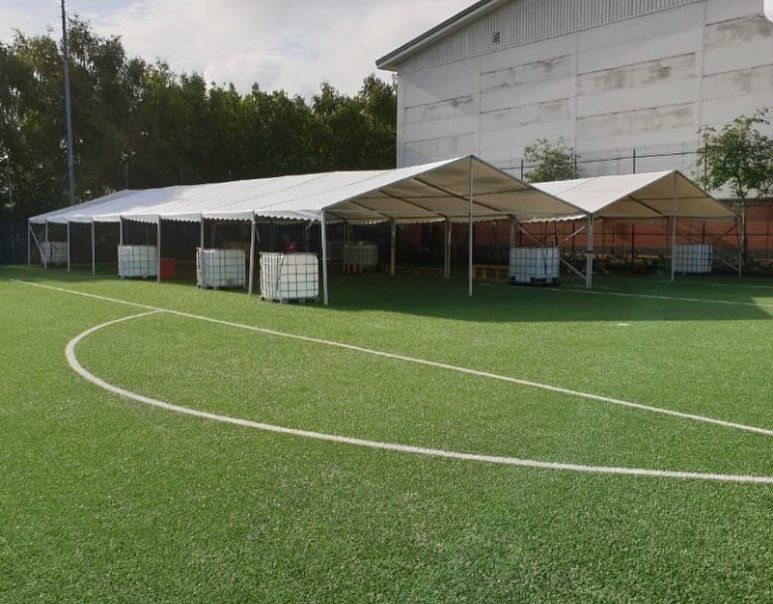
How to Reduce Condensation in a Marquee
While condensation cannot always be eliminated completely, it can often be reduced significantly with good setup and ventilation practices.
Improve Ventilation
The most effective way to reduce condensation is improving airflow.
Where possible:
- partially open sidewalls
- open doors periodically
- create cross-ventilation
- avoid fully sealing the structure unnecessarily
Fresh airflow helps humid air escape before moisture collects on cold surfaces.
Avoid Excess Internal Moisture
Activities that generate steam and humidity can rapidly increase condensation levels.
Examples include:
- cooking
- boiling water
- hot beverage stations
- drying wet clothing
- storing damp items
Where practical, cooking and catering operations should ideally take place in separate structures or well-ventilated areas.
Use Heating Carefully
Heating can improve comfort during colder weather, but it can also increase temperature differences between the inside and outside of the structure.
To help minimise condensation:
- combine heating with ventilation
- avoid excessive enclosed heat build-up
- maintain steady airflow where possible
Keep Covers Properly Tensioned
Loose covers can encourage water collection and uneven airflow across the structure.
Correctly tensioned covers:
- improve water runoff
- reduce flapping
- improve airflow around surfaces
- help maintain overall structural stability
Regularly check:
- straps
- fixings
- tie-downs
- roof tension
- anchoring points
during use.
Use Flooring Where Possible
Flooring systems can help reduce moisture rising from grass or damp ground.
This can be particularly useful for:
- long-duration events
- winter hospitality
- catering operations
- semi-permanent installations
How to Prevent Mould & Mildew
If moisture remains trapped inside covers for extended periods, mould and mildew may begin developing.
To help prevent this:
- fully dry covers before storage
- ventilate regularly during use
- avoid storing damp sidewalls or roof sections
- clean surfaces periodically
- inspect covers after wet weather use
For tougher cleaning requirements, PE and PVC-safe cleaning products should always be used.
Can a Dehumidifier Help?
In some situations, yes.
Industrial dehumidifiers may help temporarily reduce moisture levels during:
- winter events
- enclosed hospitality use
- extended wet weather periods
However, marquees are not airtight structures, so dehumidifiers should generally be viewed as temporary moisture management rather than a permanent solution.
Is Condensation Completely Avoidable?
Not always.
Even high-quality marquees and gazebos can develop condensation in the right environmental conditions.
The combination of:
- colder weather
- heating
- enclosed sidewalls
- large guest numbers
- humidity
- reduced airflow
can naturally create condensation inside temporary structures.
The key is reducing moisture build-up where possible while maintaining good ventilation and responsible setup practices.
Why Proper Ventilation Matters
Ventilation plays a major role in:
- guest comfort
- moisture control
- reducing mould risk
- improving airflow
- protecting marquee covers during long-term use
Modern marquee systems are designed to allow natural airflow through:
- removable sidewalls
- doorway openings
- breathable structure layouts
- adjustable ventilation points
Good airflow remains one of the simplest and most effective ways to minimise condensation problems.
Related Pages