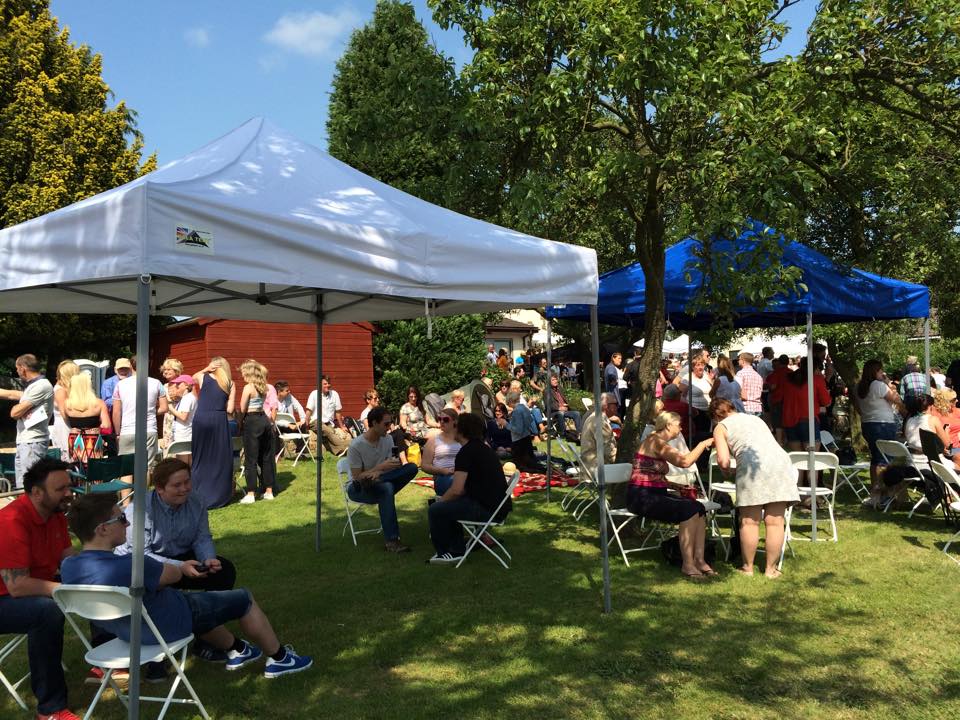
Party Tent


How to Choose the Right Event Shelter

The right event shelter comes down to four things: how many people you need to cover, the conditions on the day, the surface you're pitching on, and your budget. Get those right and everything else falls into place. This guide takes each decision in turn, with sizing and anchoring guidance you can act on straight away.

Start with the job the shelter has to do

Before you look at sizes or prices, be clear about what the shelter is for. The job dictates the type, and the type narrows everything else down.

A market trader needs something different from a wedding host. If you are selling outdoors week in, week out, a market stall gazebo that goes up fast and packs down small is the priority. If you are running a stand at festivals or trade shows, durability and quick setup matter more than looks. For a wedding or formal reception, the structure becomes part of the day itself, so clear windows, linings and a clean span like a modular marquee earn their place.

Write down the single most important thing the shelter has to achieve. Everything that follows is a trade-off against that.

Market event trading event
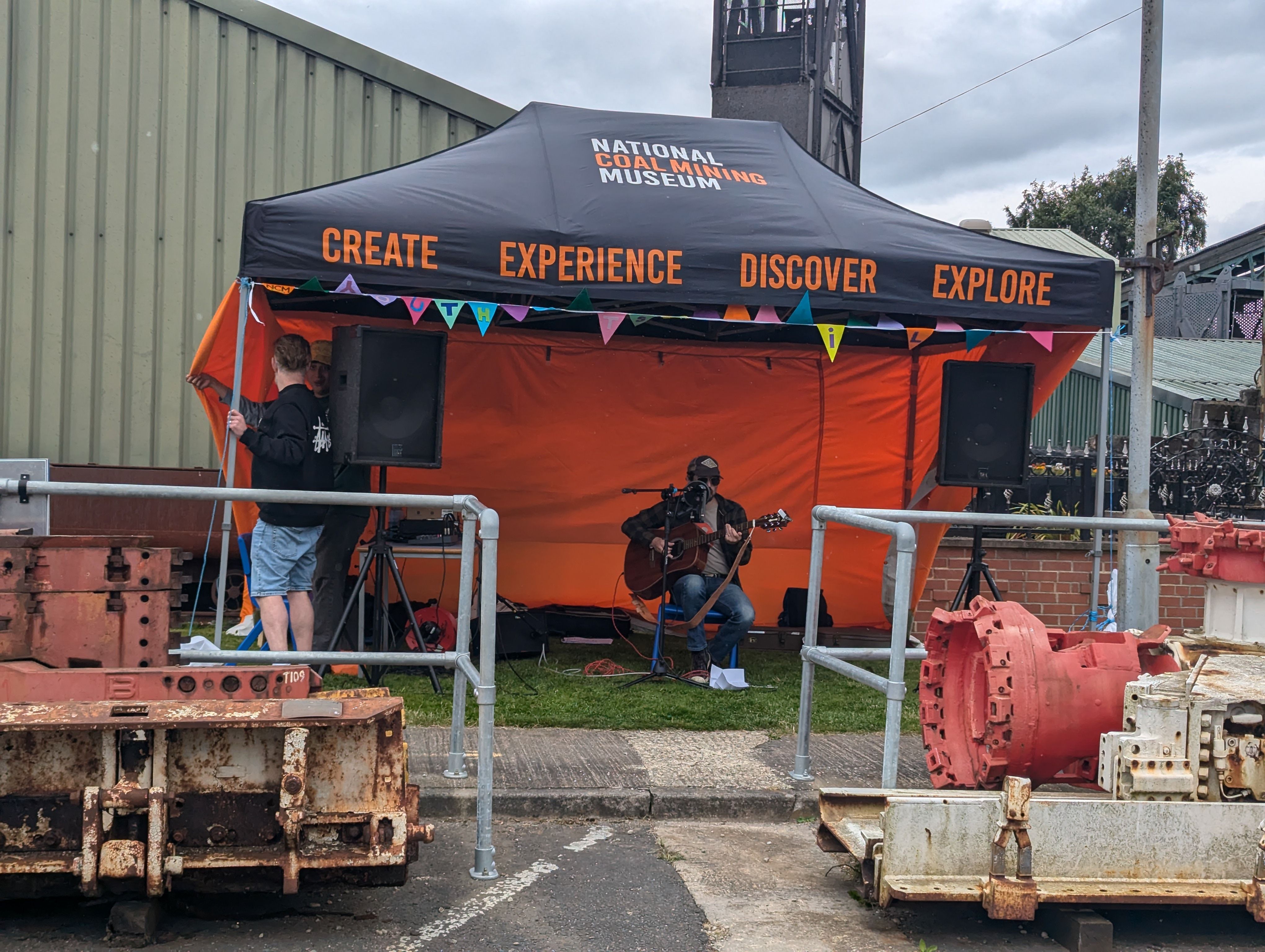
Museum gazebo
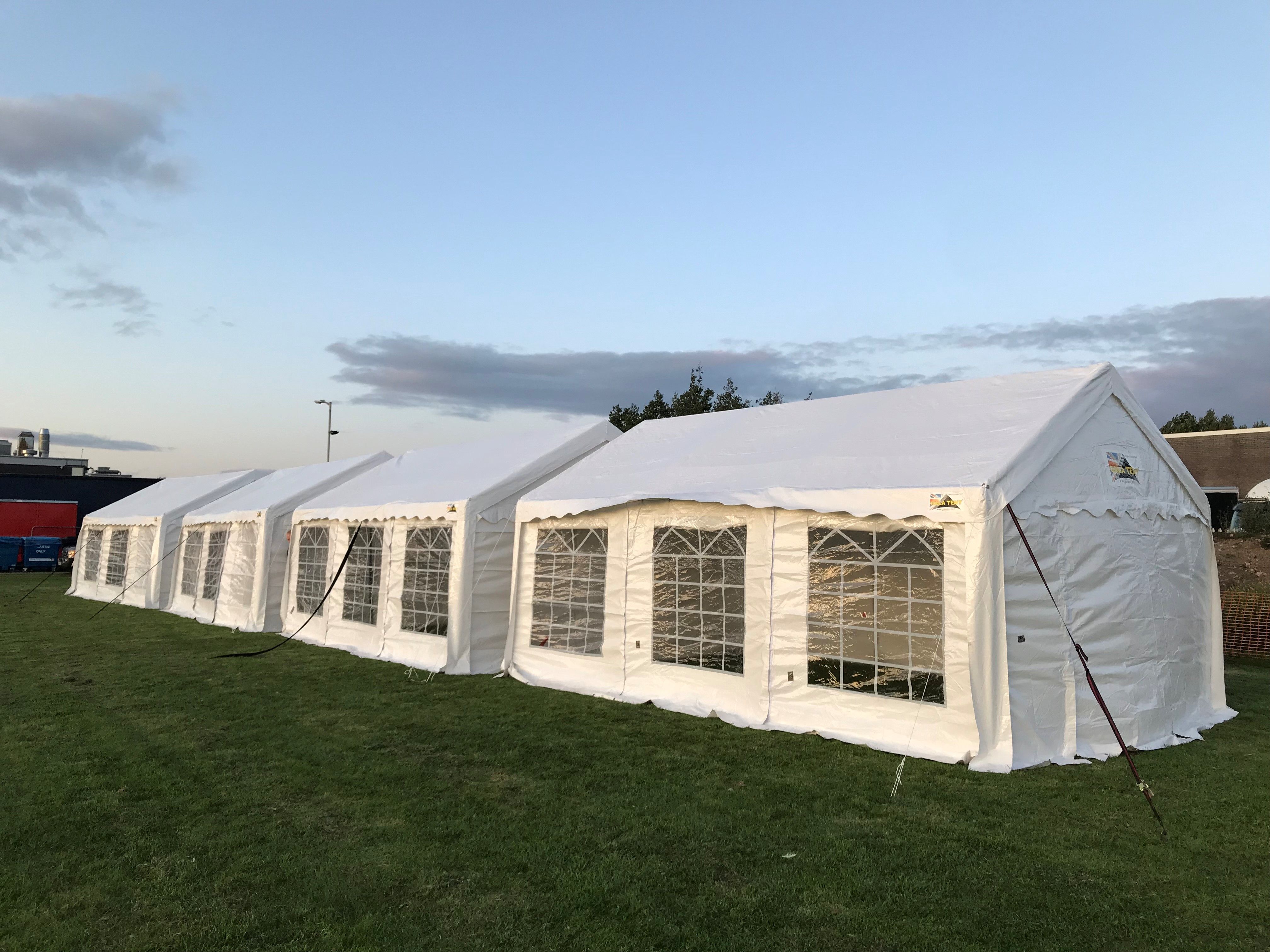
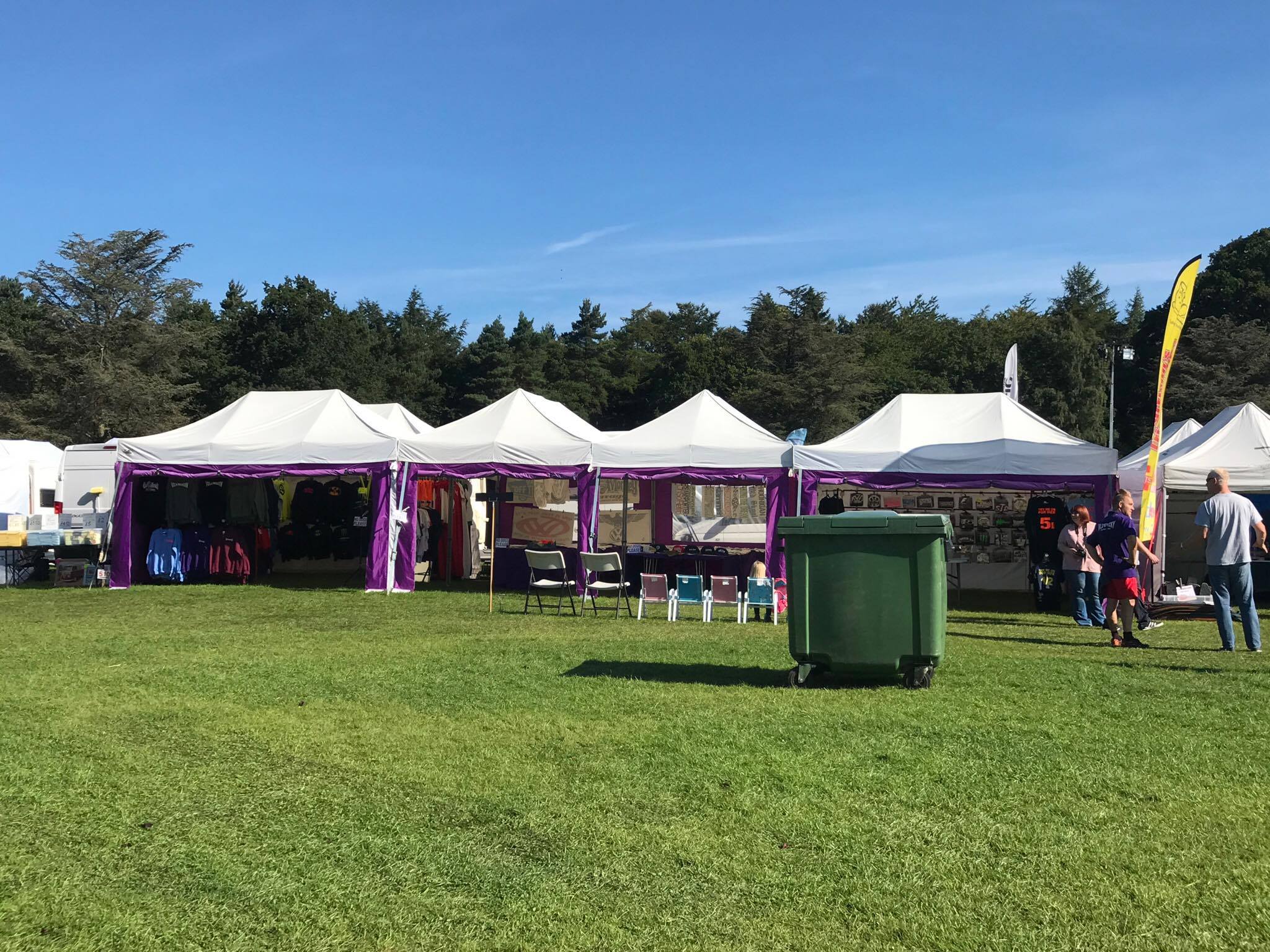
Line of marquees

Work out the size you actually need

Size is where most people get it wrong, usually by going too small. The fix is simple maths before you buy.

For a seated, dining-style layout, allow roughly 1 to 1.5 square metres per person. For standing or buffet events, around 0.5 square metres per person keeps people moving comfortably. Then add space for anything that is not a guest: catering tables, a bar, a dance floor, staging or a gift table. As a rule of thumb, add 20 to 30 percent on top of your guest area for those extras.

Guests (seated, dining)Approx floor areaTypical structure
Up to 2020–30 m²3m or 4m wide marquee, or a run of linked gazebos
30–4045–60 m²6m wide marquee, 8–10m long
50–8075–120 m²6m wide marquee, 12–18m long
100+150 m²+Linked modular marquee spans

Standing events need roughly half the seated area for the same headcount. If you are between two sizes, size up. Guests remember being crammed in, and you can always leave a section for a bar or dance floor.

Smaller gatherings are often better served by a pop-up gazebo or two rather than a full marquee, while anything over about 40 seated guests usually points towards a marquee.

Plan for the weather

A UK event has to assume rain, and probably some wind. Choose for the worst plausible conditions, not the forecast you are hoping for.

For rain, look for a properly waterproof structure with heat-sealed seams. PVC and heavy-duty polyethylene both shed water well, but the seams are where cheaper shelters let you down.

Wind is the one to respect. No temporary structure is built for severe weather, and the sensible plan is to monitor the forecast and take canopies down if strong gusts are coming. For exposed sites, multi-day use or anything left up overnight, choose a heavier frame such as a heavy duty gazebo and anchor it fully. Our guide on using marquees and gazebos in bad weather goes into this in more detail, and it is worth reading before any outdoor event.

In hot weather, UV-resistant material keeps the interior cooler and protects guests from the sun, which matters more than people expect at summer events.
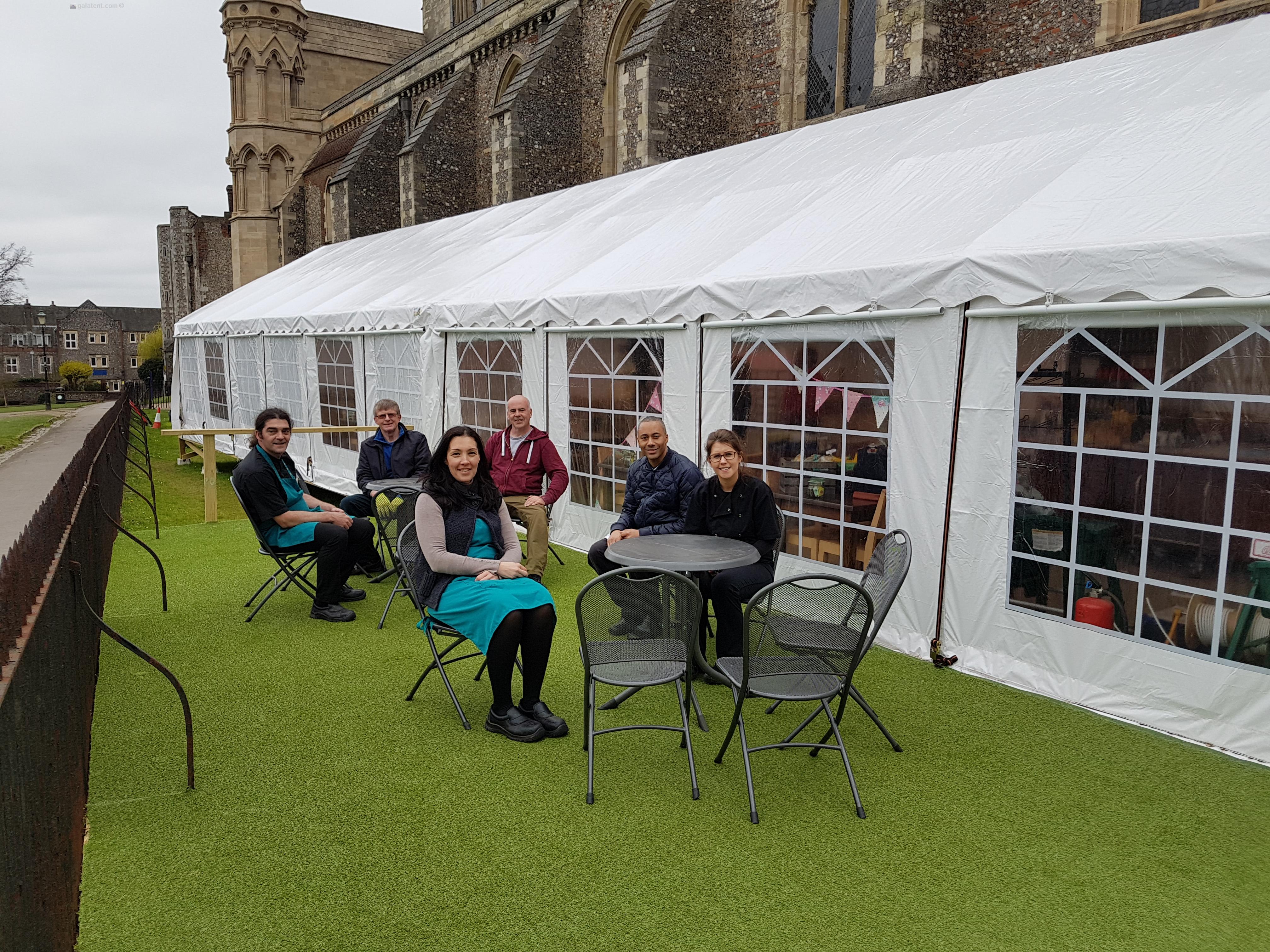
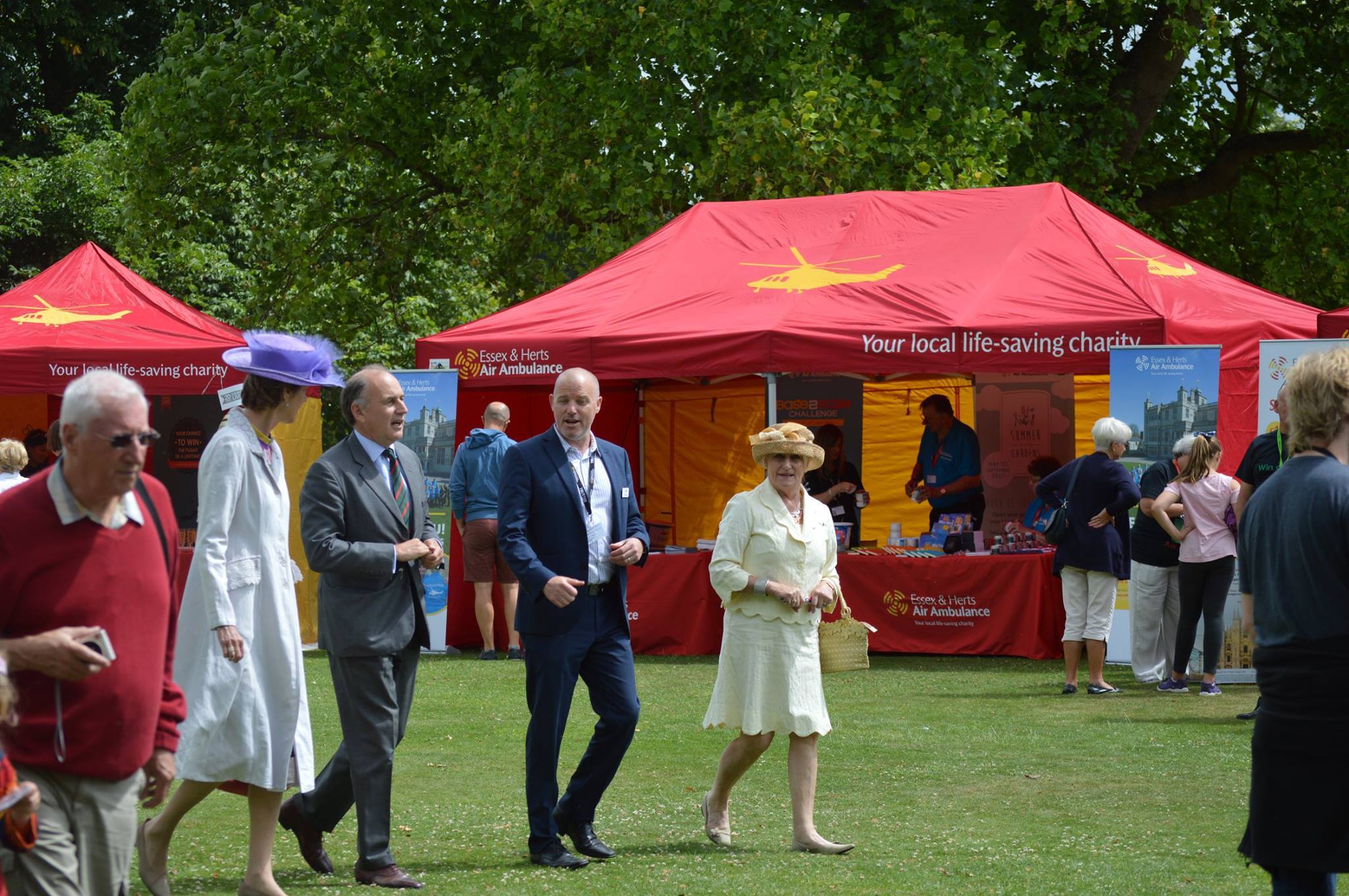
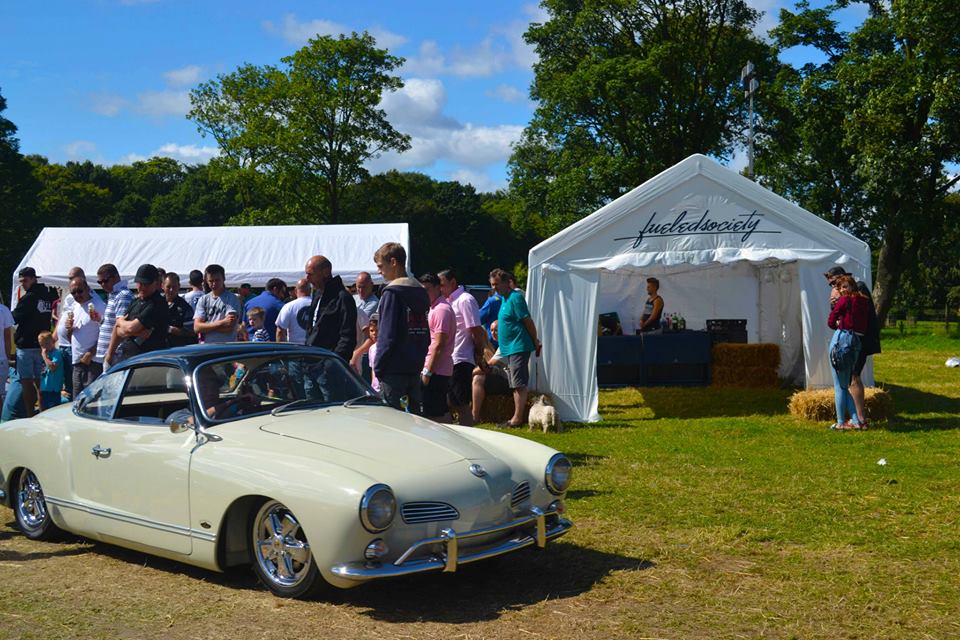
Car Event marquee
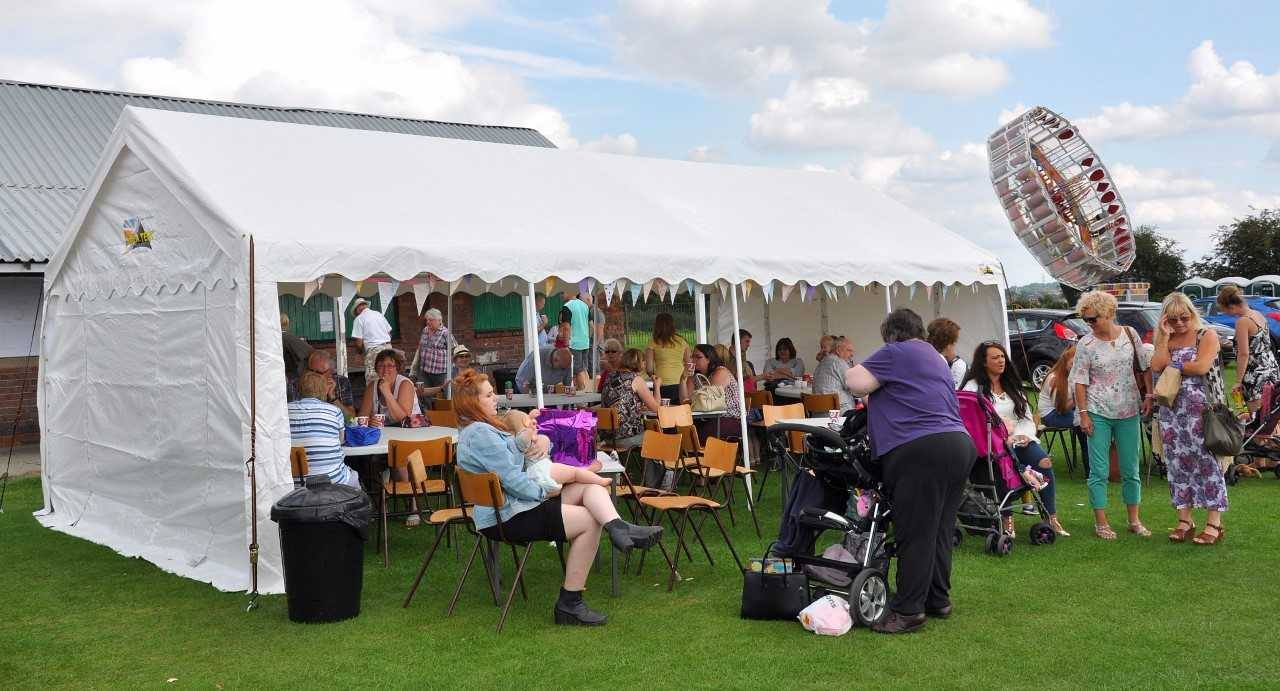
Seating and eating area under a marquee

Get the anchoring right

Anchoring is the difference between a shelter that stays put and one that ends up across the car park. The method depends entirely on the surface.

On soft ground such as grass or soil, steel stakes driven through the frame feet, backed up with guy ropes, give the most secure hold. On hard ground such as tarmac, concrete or a paved courtyard, you cannot peg, so you rely on weights. Water weight bags are easy to transport empty and fill on site, while cast iron leg weights sit neatly against each leg for a tidier look.

For exposed sites or larger structures, combine methods and add ratchet tie-down storm straps over the frame. Bigger marquees benefit from strengthening equipment such as ground bars, which tie the legs together at the base and stop them spreading under load. You can browse the full range of marquee and gazebo weights to match the structure you choose.

If you take one thing from this section: never put up a gazebo on a hard surface without weights, even on a still day. Wind comes from nowhere.

Think about setup and transport

How a shelter goes up and how it travels are practical constraints that catch people out, especially traders and event teams working to a schedule.

If you are setting up alone or to a tight turnaround, a pop-up frame that opens in minutes saves real stress. If transport space is limited, the Gala Shade Pro Compact folds down small enough for a car boot, which suits market stalls, small business events and trade shows with restricted access. Larger marquees take longer and usually need two or more people, so factor that into your day.

Row of gazebos at outdoor market
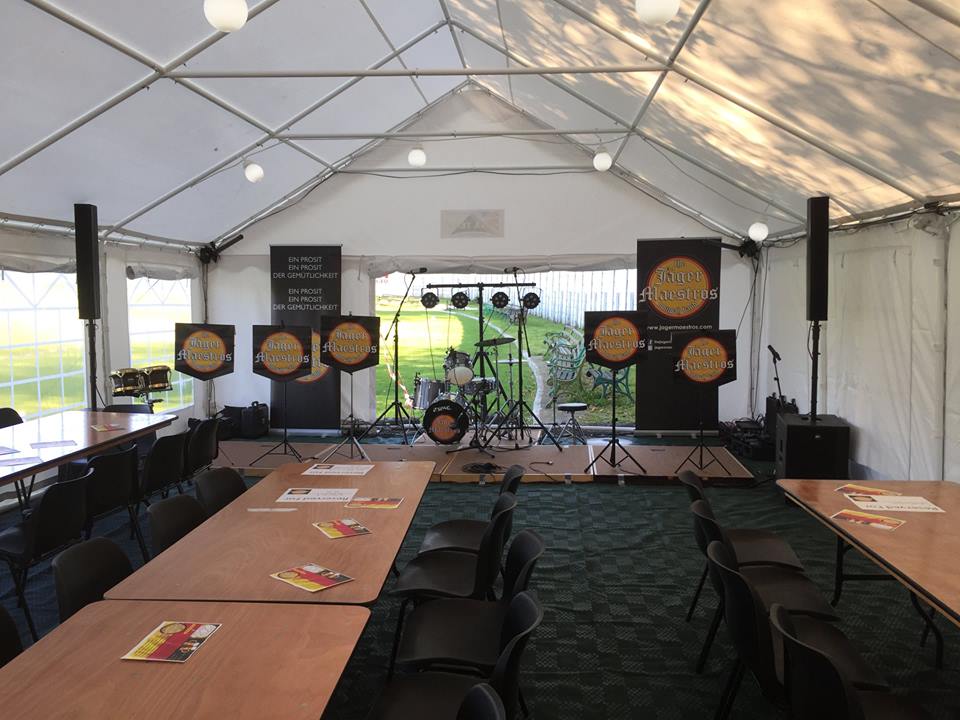
Music stage inside a marquee
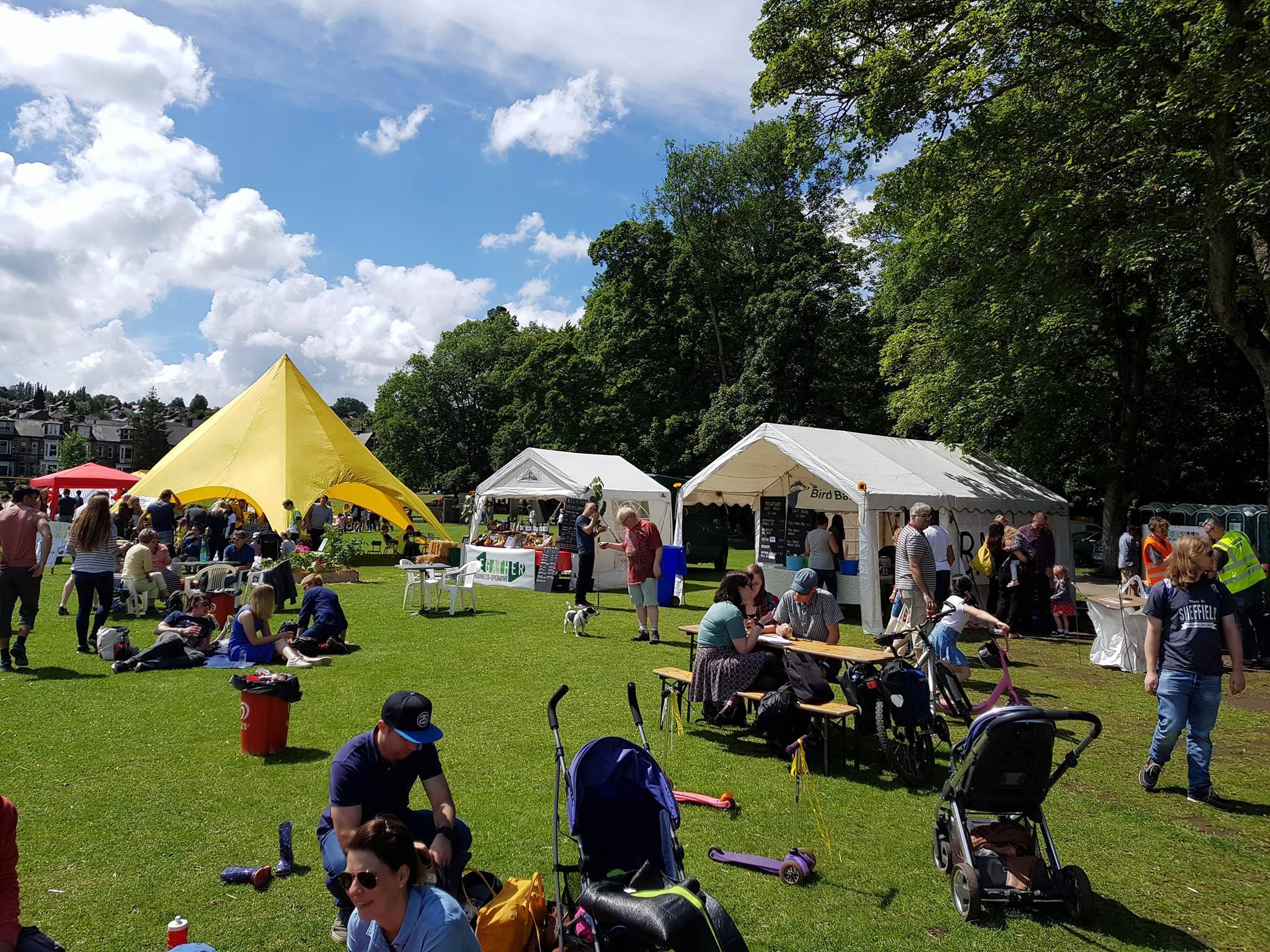
Festival with marquees and gazebos

Set a realistic budget

There is a good option at most price points, and the trick is matching spend to how hard the shelter will work.

For occasional use and lighter conditions, an entry-level pop-up such as the Gala Shade Pro 40 covers most garden and small business needs when anchored well. Step up to the Pro 50 or Pro 60 and you get thicker poles and reinforced joints that hold up better in wind and frequent use. For large or formal events, a full modular marquee is the long-term investment.

Think about cost per use rather than the headline price. A cheap gazebo that fails in its first windy weekend is the expensive option.

Branding and finishing touches

If the shelter represents your business or sets the tone for an occasion, the finish matters.

For corporate events, trade shows and market stalls, a printed gazebo with your logo and colours turns the structure into a marketing asset. For weddings and upscale events, satin linings, clear windows and ambient lighting transform a plain interior into something memorable. Our complete guide to marquee weddings covers the styling decisions in full.

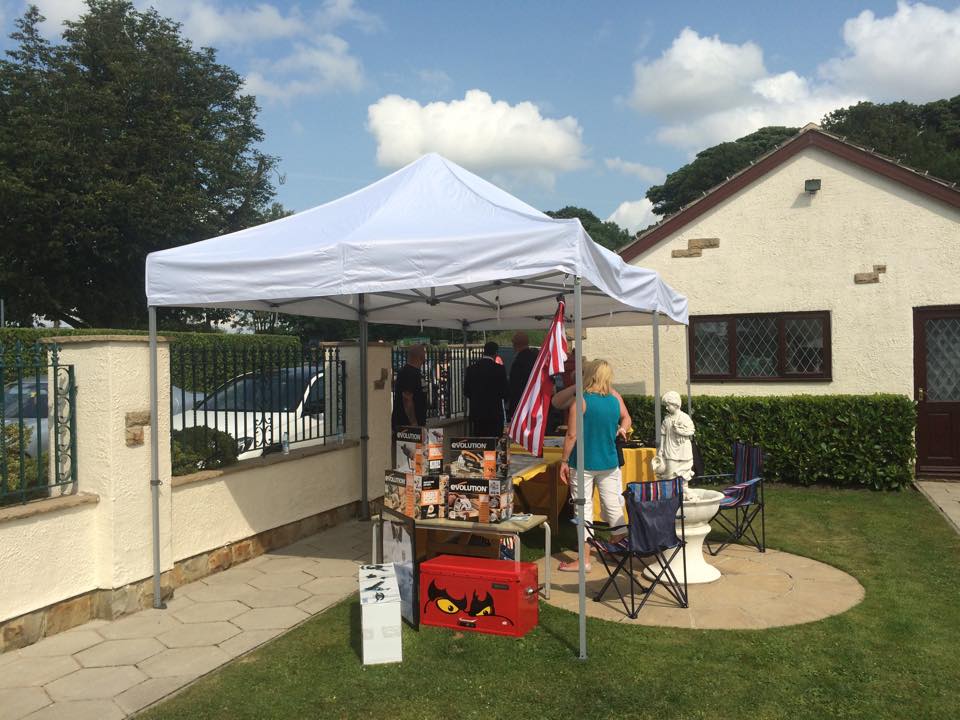
Garage Sale Gazebo
Summer event gazebo

Accessories worth budgeting for

The right extras decide whether guests are comfortable enough to stay.

Lighting is the one people forget until the sun goes down. String lights or LED fixtures cover most evening events. Portable heaters extend the season into spring and autumn, and flooring keeps a grass site usable after rain. Budget for these from the start rather than scrambling on the day, and browse the full tent accessories range to see what fits your setup.

Talk to someone who has done it

Gala Tent is the UK's leading retailer of outdoor temporary shelters, including marquees, party tents, pop-up gazebos, stretch tents and bespoke structures. The company was founded by Jason Mace in 1999 and has spent a quarter of a century helping event organisers, traders and businesses choose the right structure for the job.

If you are weighing up options, call the team on 01709 242454 or use Live Chat, and someone who knows the range will help you get it right first time.

Frequently Asked Questions

What size marquee do I need for 50 guests?
For 50 seated dining guests, allow around 75 square metres as a starting point, then add 20 to 30 percent for catering, a bar or a dance floor. That points to roughly a 6m wide marquee, 12m or so in length. A standing event for the same number needs about half that floor area.
Can you use a gazebo in winter or bad weather?
Yes, with the right kit and sensible limits. A waterproof, heavy-duty gazebo handles cold and rain well when it is fully anchored. No temporary structure is built for severe weather, so monitor the forecast and take the canopy down if strong gusts are expected. Our bad weather guide covers this in detail.
How do you anchor a gazebo on a hard surface?
You cannot peg into tarmac or concrete, so you use weights instead. Water weight bags or cast iron leg weights on every leg are the minimum, and storm straps add security on exposed sites. Never rely on a hard surface alone, even on a calm day.
What is the difference between a gazebo and a marquee?
A gazebo is a smaller pop-up structure that goes up in minutes and suits gatherings of up to around 20 to 30 people, market stalls and quick setups. A marquee is a larger, modular structure better suited to weddings, formal dining and events of 40 guests or more.
Are pop-up gazebos waterproof?
Quality pop-up gazebos are waterproof when they use heat-sealed seams and PVC or heavy-duty polyethylene canopies. Cheaper models often leak at the seams, so check the specification rather than assuming.
Do I need permission to put up a marquee?
For a temporary marquee in a private garden you usually do not need planning permission, but rules vary depending on size, how long it stays up, and whether the event is public or licensed. Check with your venue or local authority before a large or long-term setup. Official guidance is available on GOV.UK.


Good Morning, how can I assist you today?

Assistance
ExpandAssistance   Alexandria